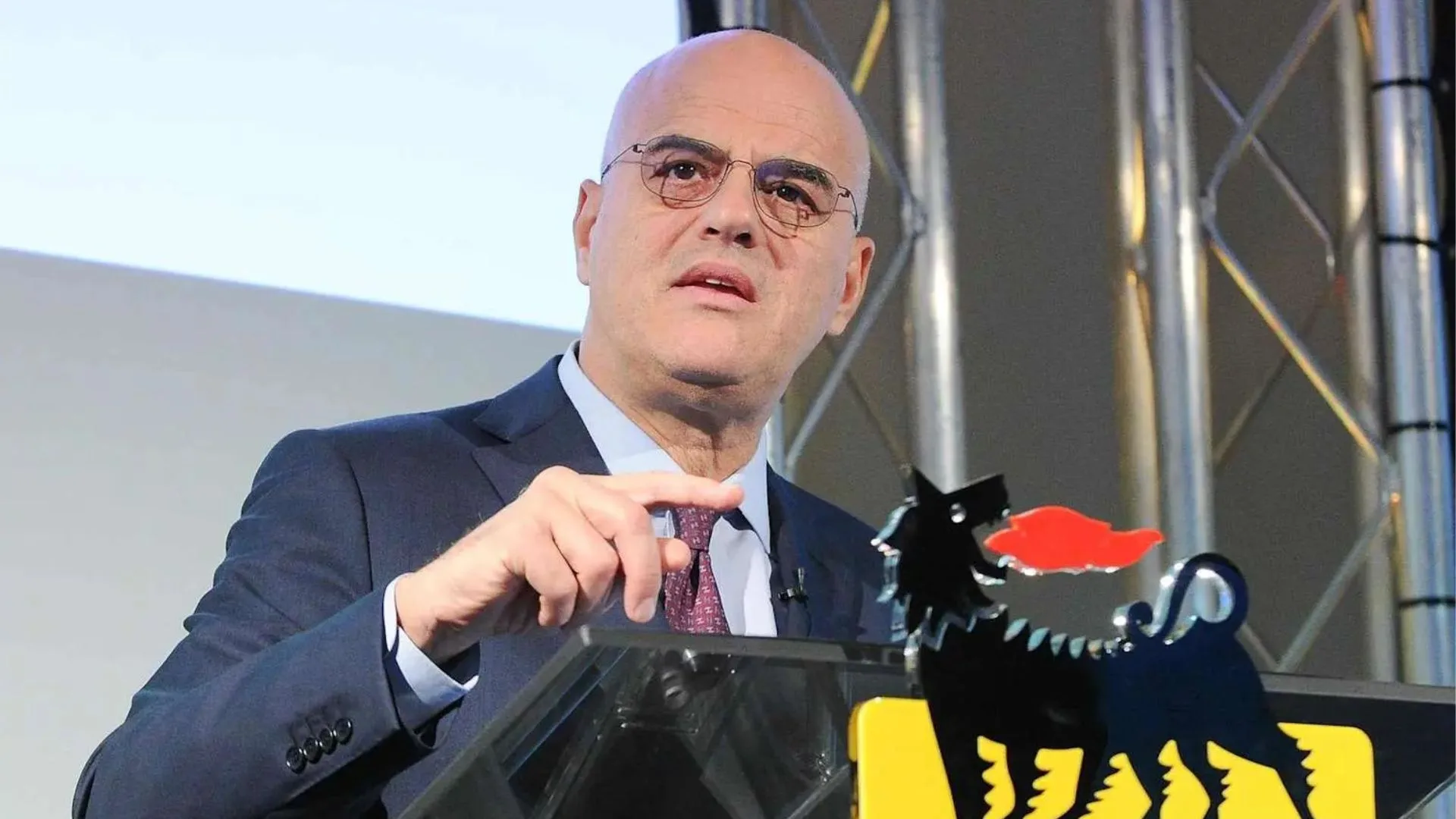
Following the latest statements by Claudio Descalzi, CEO of Eni, the sector is facing a critical shortage of supply alternatives ahead of the technical limit set for April 25. European infrastructure requires a volume of 20 billion cubic meters of Russian gas to ensure flexibility for power generation plants and avoid imbalances in grid load.
The instability factors affecting Russian gas in global hydrocarbon logistics
The substitution strategy through liquefied natural gas (LNG) has been compromised by external geopolitical variables. The closure of the Strait of Hormuz and the declaration of force majeure at Qatar’s Ras Laffan complex have removed one-sixth of global supply from the market.
These events directly impact Europe’s regasification capacity and increase the risk of shortages. Likewise, the fragility of maritime routes shows that the bloc has replaced its dependence on pipelines with extreme exposure to international logistics volatility.
On the other hand, maintaining the January 2026 regulation will generate water and thermal stress at the continent’s power stations. In Europe, 35 billion cubic meters per year of Siberian flow continues to be imported to sustain industrial and domestic activity.
A total short-term disruption, without operational replacement assets, will force an increase in operating costs and a possible deterioration of grid security. Finally, it is likely that the European Commission will carry out a technical review of the expiry timelines of long-term contracts to align foreign policy with the reality of supply.
Source and photo: Qore