Table of Contents
Supply security in Great Britain has just received a decisive boost following the decision of the North Sea Transition Authority (NSTA). The authority has decided to grant a gas storage license to EnergyPathways’ subsidiary, a move that positions the MESH project as the central axis of energy infrastructure in the Irish Sea.
The License for the MESH Project
Under a clear strategic vision, the project contemplates the use of up to 60 large-scale salt caverns. These deposits have the capacity to store several terawatt-hours of energy, providing a critical buffer against the volatility of international markets. Likewise, the location in Barrow-in-Furness enables onshore integration that will facilitate rapid resource distribution when the national grid demands it most urgently.
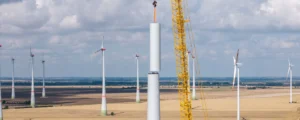
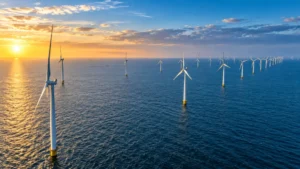
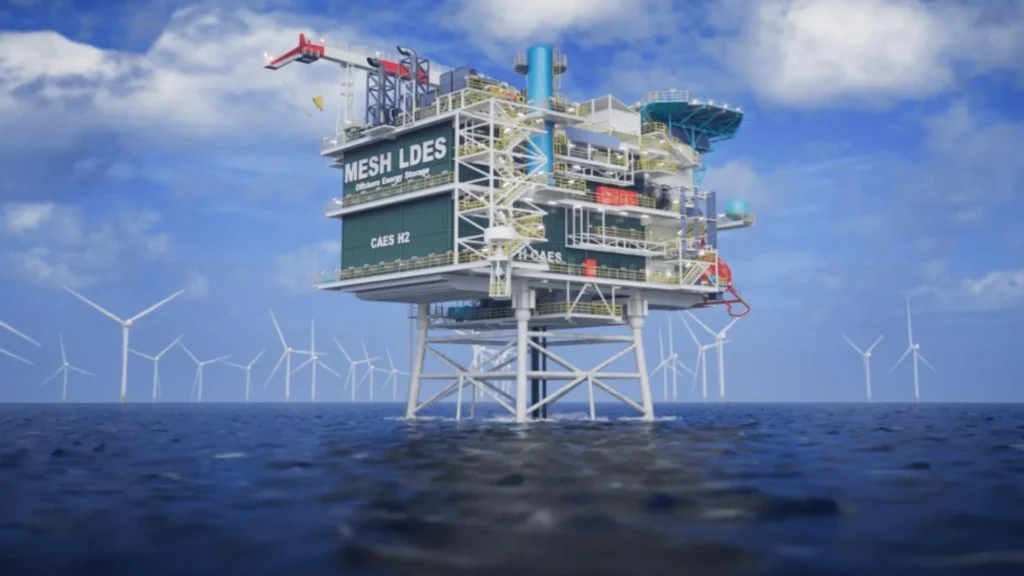
From my technical perspective, the relevance of this license lies in the technological diversification proposed by EnergyPathways. We are not talking solely about natural gas; the plan integrates compressed air energy storage (CAES) and a progressive transition toward green hydrogen. This multidisciplinary approach enables the electrical system to leverage surplus wind energy, avoiding the waste of resources that currently increases citizens’ bills.
Indeed, the projected infrastructure will enable doubling the United Kingdom’s current reserve capacity. With an estimated delivery of 15 million cubic meters per day, the country will be able to count on up to six days of total autonomy against potential external disruptions. This safeguard is fundamental in an unstable geopolitical context where dependence on costly imports has become an unacceptable vulnerability for major economies.
Finally, collaboration with giants such as Siemens Energy and Wood plc ensures that development toward the final investment decision in 2028 will be solid. The timeline points to full operability by the end of 2031, radically transforming low-carbon emissions management in the region. The integration of hydrogen production for industrial uses completes a sustainability cycle that redefines British energy self-sufficiency.
Source and photo: Energy Pathways