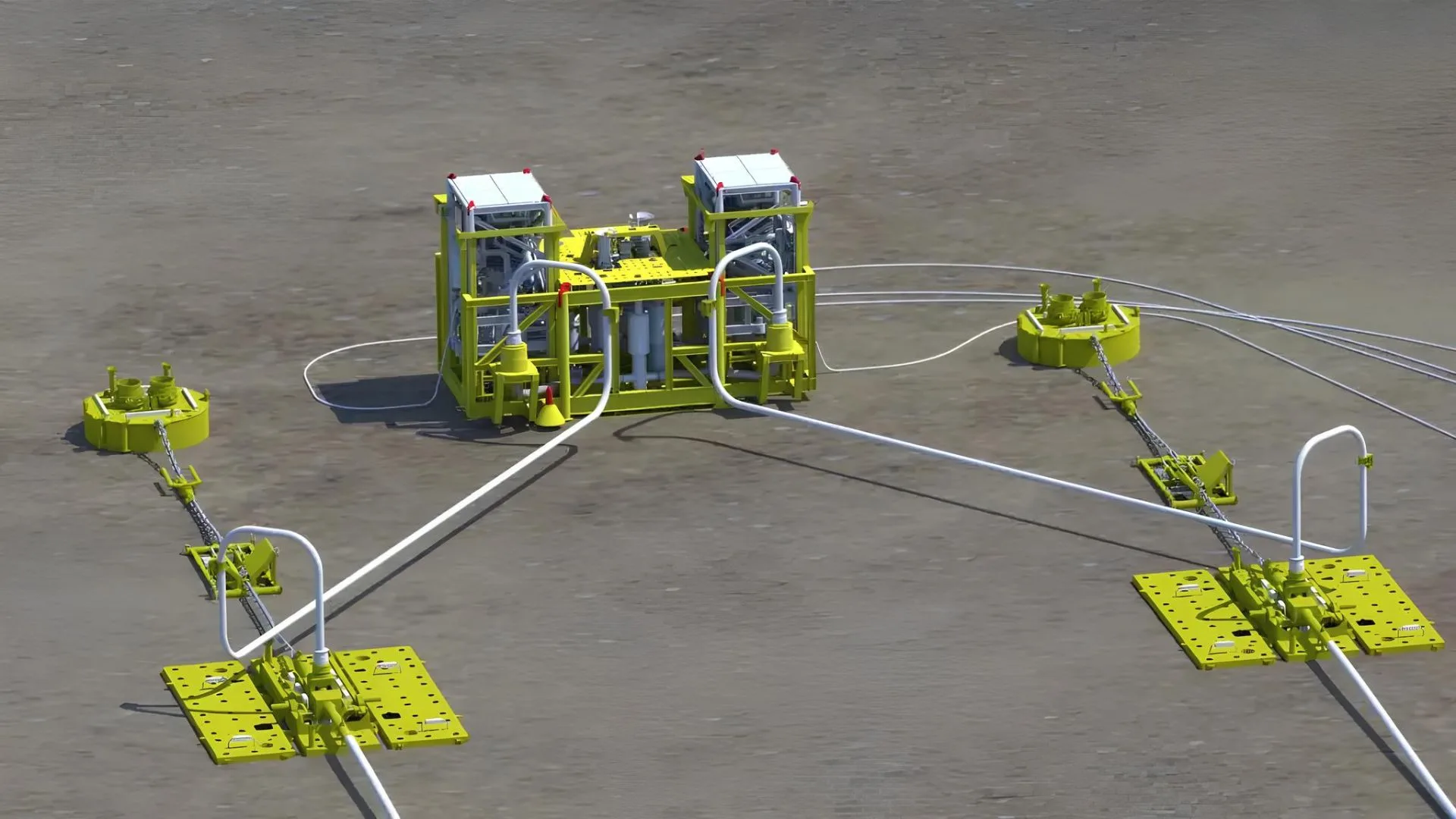
As part of their deepwater energy expansion plans, oil companies bp and ExxonMobil have approved the final investment decision to install a subsea pumping system on the Thunder Horse platform. Through this technological development, the operating companies aim to maximize resource extraction and obtain greater value from their existing offshore assets.
Infrastructure optimization in the Gulf of Mexico
These submersible pumps will be installed directly on the seabed, within the production system. Their function is boost oil and gas from the deposit (underground) to the floating platform that is on the surface. Without the pump, the natural pressure of the reservoir is depleted over time and the flow decreases; with the pump, it is maintained or even increased.
Therefore, the operational strategy aims to maintain sustained extraction throughout the remaining lifespan of the fields. Installing the equipment on the seabed will increase the flow of crude oil and natural gas. This technical alternative represents an efficient solution that optimizes the logistical infrastructure without disrupting the current operational ecosystem.
Project volume and profitability projections
According to official estimates provided by bp, the start of production under this new scheme is scheduled for the year 2028. The project will add an estimated 15,000 barrels of oil equivalent per day to the facility’s average maximum annual gross volume, thanks to the estimated profitability of this subsea pump, which is expected to deliver a performance comparable to that which would be offered by drilling two new wells.
The adoption of this system will significantly reduce pressure on currently active wells, helping to safely extend operations at Thunder Horse. The joint investment plan strengthens the strategic alliance in the block, where bp operates and ExxonMobil holds a 25% stake.
Source: bp