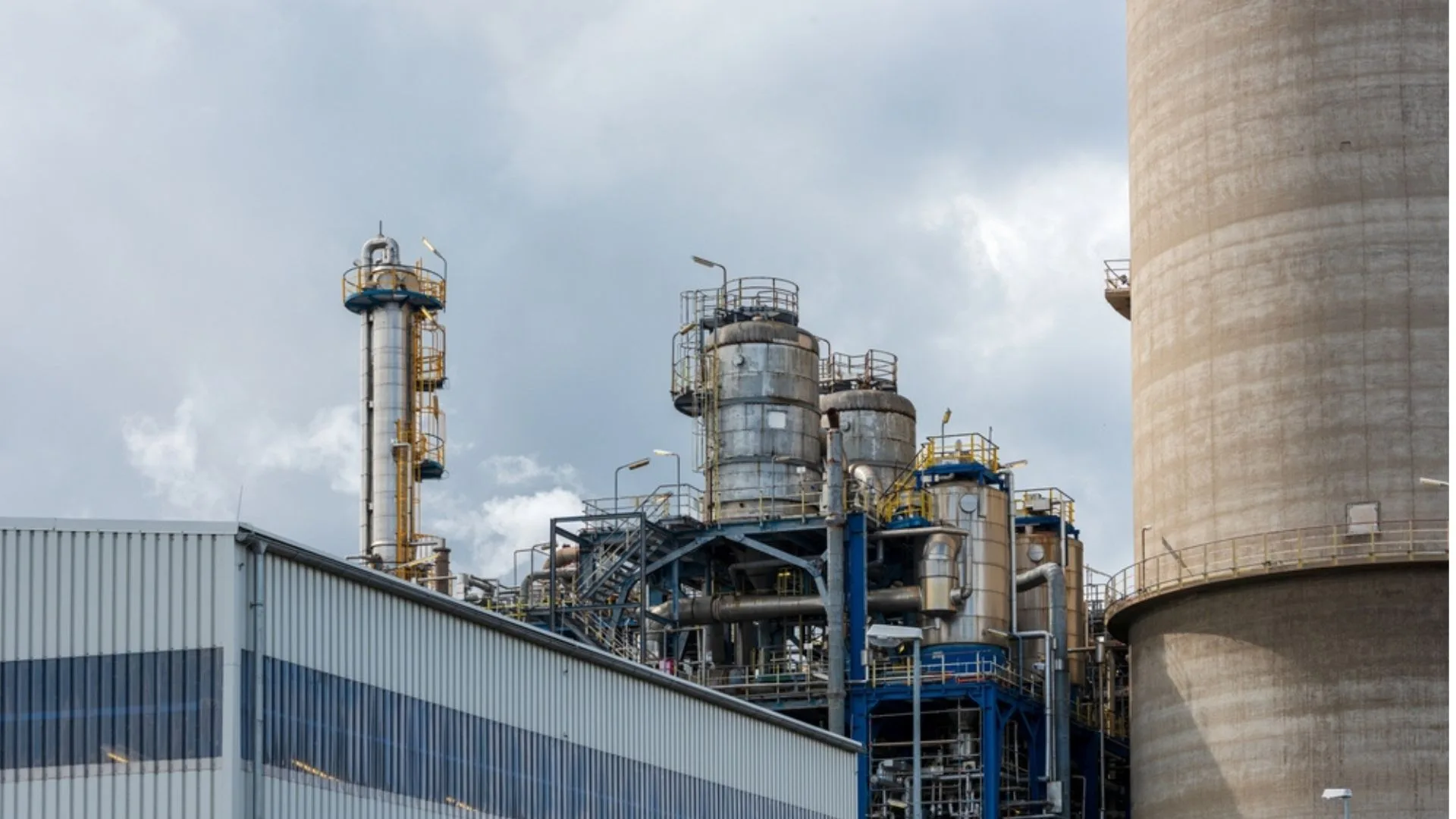
Chilean developer Austral Consortium submitted the Acuario project to SEIA (Chile’s Environmental Impact Assessment System), a US$4.7 billion green ammonia plant that would be installed in Bahía Gregorio, in the Magallanes Region.
The initiative envisages production of close to 4,100 tonnes per day of green ammonia, mainly for export. According to the plan submitted, the complex would have a 46-year service life and would combine wind generation, renewable hydrogen production, and electricity storage.
Entry into SEIA opens the project’s environmental review process. However, this filing does not yet represent authorization to build, nor does it confirm financing, sales contracts, or the final investment decision.
The Acuario project would produce hydrogen through electrolysis
At the plant, green hydrogen would be obtained through electrolysis of demineralized water using electricity from renewable sources. The hydrogen would then be combined with nitrogen separated from the air through the Haber-Bosch process to produce ammonia.
This scheme would make it possible to produce an energy derivative with a lower carbon footprint than conventional ammonia made from fossil fuels. In addition, the product could be shipped by sea to international markets with demand for low-emission fuels and feedstocks.
Likewise, the location in Bahía Gregorio offers access to Magallanes’ wind resources and the maritime routes needed for an export-oriented operation.
A 1.73 GW wind farm would supply the plant
To meet the complex’s electricity demand, Austral Consortium is considering installing a 1.73 GW wind farm made up of 173 wind turbines.
Electricity would be transmitted via 220 kV underground lines from the collector substations to the main substation of the process plant. This configuration seeks to reduce infrastructure exposure and connect renewable generation with the electrolysis and ammonia synthesis units.
The project also includes a battery energy storage system, known as BESS. Its function would be to store electricity during periods of higher wind generation and deliver it when wind availability decreases.
In this way, the batteries would help stabilize the energy supply required for industrial operations and reduce the impact of wind power’s inherent variability.
Construction is scheduled between 2029 and 2033
According to the reported schedule, works would begin in the third quarter of 2029 and end in the second quarter of 2033.
During construction, around 1,595 jobs would be created on average, with an estimated peak of 3,000 workers. Once operations begin, the project would employ an average of about 411 people.
These figures make Acuario one of the largest industrial initiatives recently submitted in Chile. In addition, it would be the highest-investment non-mining project entered into Chile’s environmental assessment system during 2026.
Magallanes strengthens its role in green hydrogen
The submission of Acuario keeps Magallanes as one of Chile’s main hubs for the development of green hydrogen and its derivatives.
The region has strong and relatively steady winds, a favorable condition for producing renewable electricity at scale. It also has maritime access, a relevant factor for exporting ammonia to Asia, Europe, or other energy markets.
Even so, the project’s progress is taking place in a demanding environment. The global hydrogen industry faces higher financing costs, slower-than-expected demand, and uncertainty over future green ammonia prices.
The environmental assessment will be a decisive stage
The Acuario project comes after the cancellation of other hydrogen and ammonia initiatives in Chile, including INNA, developed by AES Andes with an estimated investment of US$10 billion.
This context shows that Chile’s wind potential continues to attract large-scale projects, although their execution depends on environmental, commercial, and financial variables.
Therefore, Acuario’s future will be conditioned by environmental approval, access to financing, the availability of port and electrical infrastructure, the signing of contracts with buyers, and the ability to produce green ammonia at competitive costs.
Source: Hydrocarbon Processing
Photo: Shutterstock