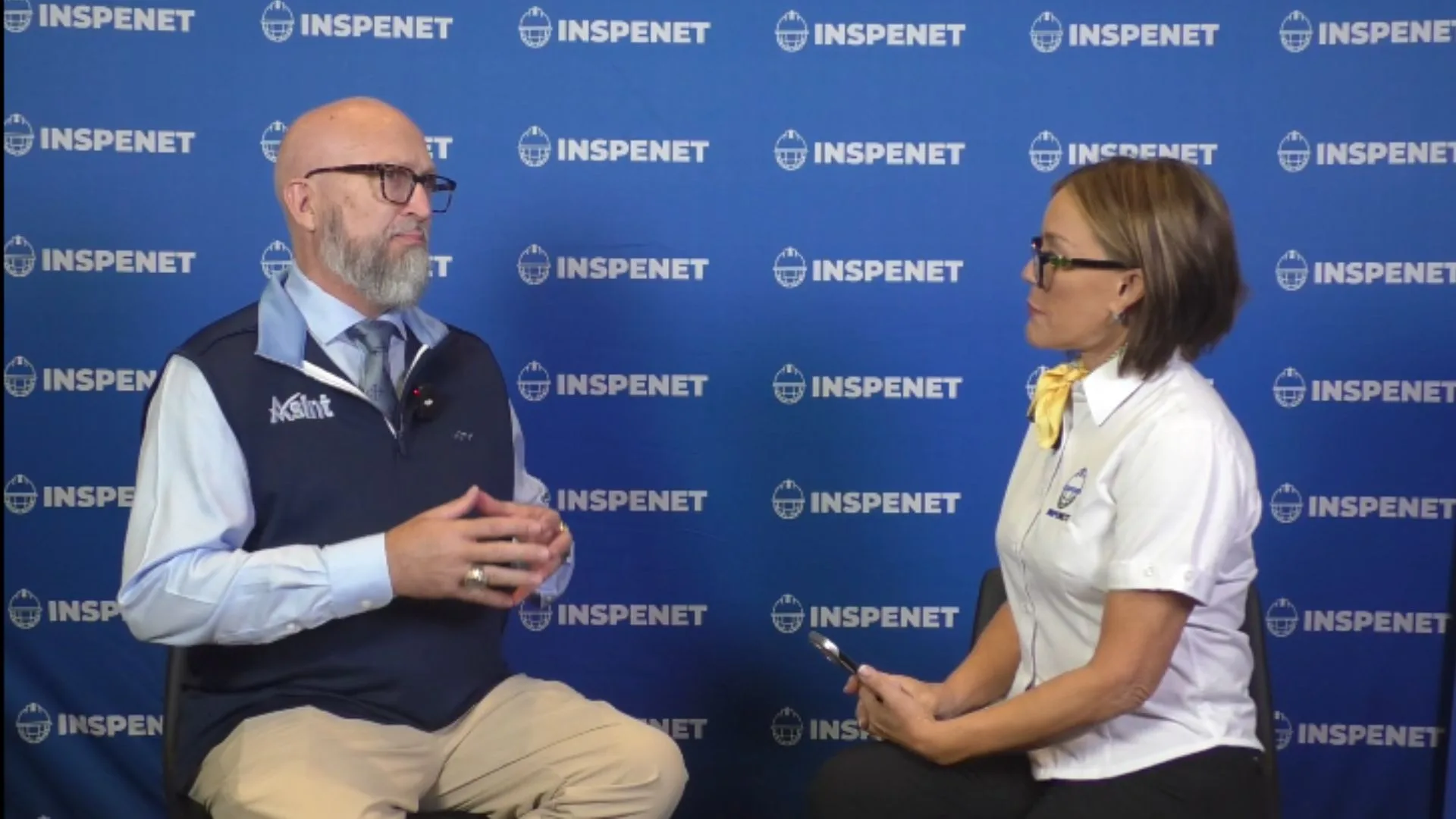
Michael Warren, AsInt’s Chief Operating Officer, highlighted the main challenges companies face when implementing and maintaining asset integrity programs, as well as the role of AsInt Edge in improving these processes.
During an interview, the executive identified what he called “accountability erosion” as one of the most common issues in these types of programs. As he explained, at the start of an implementation there is usually a person responsible for driving the project, overseeing its development, and ensuring its continuity.
However, over time, that person may change roles, take on other responsibilities, or leave the project. As a result, commitment to the program declines and the work of updating, maintaining, and monitoring progressively deteriorates.
Warren noted that this loss of accountability can affect the continuity of integrity programs and reduce the quality of the information used to make operational decisions.
AsInt Edge aims to reduce implementation times
One of the main benefits of AsInt Edge, according to Warren, is the ability to significantly reduce the time between purchasing the software and putting it into operation.
The COO explained that even a startup with one or two consultants can purchase an initial license and begin operating with a reduced setup time.
This model seeks to avoid delays associated with installing technology infrastructure, procurement procedures, and other internal processes that often prolong implementation.
Warren warned that when these processes drag on too long, business needs may change before the solution starts working. Likewise, codes, standards, and technical requirements may evolve during that period.
For this reason, the executive believes that minimizing the time between purchase and implementation represents one of the platform’s main paradigm shifts.
Traceability strengthens asset integrity management
Another key point highlighted during the interview was the auditability of the systems used to manage asset integrity.
Warren explained that after a failure, a leak, or any other operational incident, auditors typically request all records related to operations, maintenance, and changes made in the system.
The inability to provide a complete history remains one of the most frequent audit findings and can lead to penalties for companies.
To address this risk, AsInt Edge incorporates traceability features from day one of operation. The application automatically records the modifications made, without relying solely on a person to manually document every change.
In this way, the platform generates an audit trail that allows actions taken to be reviewed and makes information readily available in the event of an inspection or investigation.
A platform developed by industry professionals
Warren also noted that AsInt Edge was conceived as a solution for engineers and consultants, developed by professionals with direct experience in the engineering and asset integrity sectors.
Unlike other applications created exclusively from an IT perspective, the platform seeks to incorporate the technical and operational knowledge of specialists who understand the industry’s needs.
AsInt Edge functions as an asset performance management platform, known as APM by its English acronym, and aims to support engineering, consulting, maintenance, and integrity management processes.
The solution aims to support companies from the most basic tasks to the most complex technical processes, while improving program continuity, information traceability, and organizations’ ability to adapt.
Source and photo: Inspenet