The energy transition does not always require building new power plants from scratch. In many cases, the most efficient strategy involves modernizing existing facilities to adapt them to the new requirements of the electrical system. Under this approach, Arizona Public Service (APS) announced the conversion of two units at the Cholla power plant, previously coal-fired, to operate on natural gas starting in 2029.
The project will incorporate approximately 380 MW of generation capacity by leveraging much of the infrastructure already available at the site, including transmission grid connections, auxiliary services, and portions of the industrial facilities.
This strategy seeks to address sustained growth in electricity demand in Arizona through a solution that combines rapid implementation, operational reliability, and investment optimization.
APS: Repowering extends the service life of energy infrastructure
The Cholla power plant began operations in 1962 and for decades played an important role in the state’s electricity supply. Following the progressive closure of its coal-fired units, completed in 2025, the facility retains high-value assets that remain strategic for the electrical system.
The conversion to natural gas represents an example of repowering, an engineering practice that involves repurposing existing infrastructure to adapt it to new generation technologies. This approach reduces development timelines, minimizes investment in new civil works, and leverages equipment and facilities whose service life can still be extended through modernization processes.
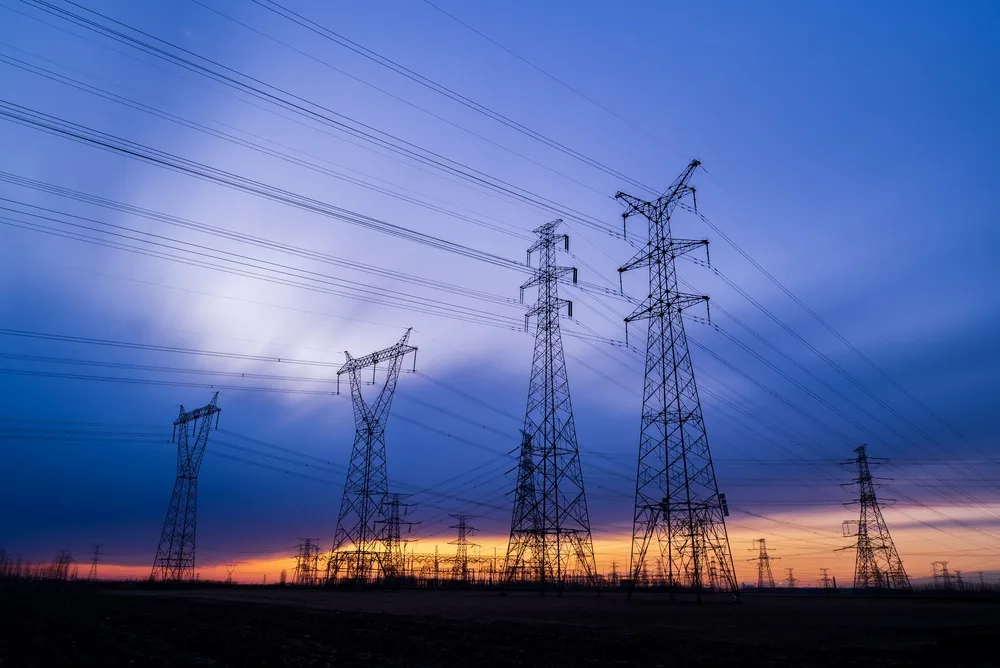
In addition to reducing costs associated with developing a new project, the reuse of electrical corridors and connection points facilitates the integration of new generation capacity without requiring significant expansion of the transmission network.
Natural gas essential in the energy transition
Although the growth of solar energy, wind power, and battery storage is transforming the U.S. energy matrix, safe system operation continues to require generation sources capable of responding rapidly to demand variations.
Natural gas power plants offer high operational flexibility, enabling them to increase or reduce their output in relatively short periods to compensate for the inherent variability of renewable sources.
In this context, the 380 MW planned for Cholla will contribute to supplying firm energy, supporting consumption peaks, and complementing an energy matrix that in Arizona also incorporates nuclear generation, solar energy, wind power, and electrochemical storage systems.
Repurposing infrastructure accelerates electrical system modernization
From a technical standpoint, repurposing an existing power plant represents an efficient alternative to constructing a completely new facility. The availability of access roads, substations, transmission lines, auxiliary systems, and industrial land significantly reduces project complexity.
This type of initiative also reduces the time associated with permits and new interconnections, factors that currently represent some of the main challenges for electrical grid expansion in numerous countries.
The strategy adopted by APS reflects a growing trend in the energy industry: transforming existing assets to respond more rapidly to new requirements for reliability, flexibility, and sustainability of the electrical system.
Source: https://www.aps.com/
Photo: Shutterstock