Table of Contents
The preliminary agreement signed at the Paris Air Show serves as the foundation for this new organizational structure. The corporations intend to centralize their engineering, manufacturing, and certification efforts in a single entity that will formally operate starting in 2027. This advancement requires standard regulatory authorizations and approval from the corresponding social committees in Europe.
Airbus and MTU Accelerate Hydrogen Engine Development
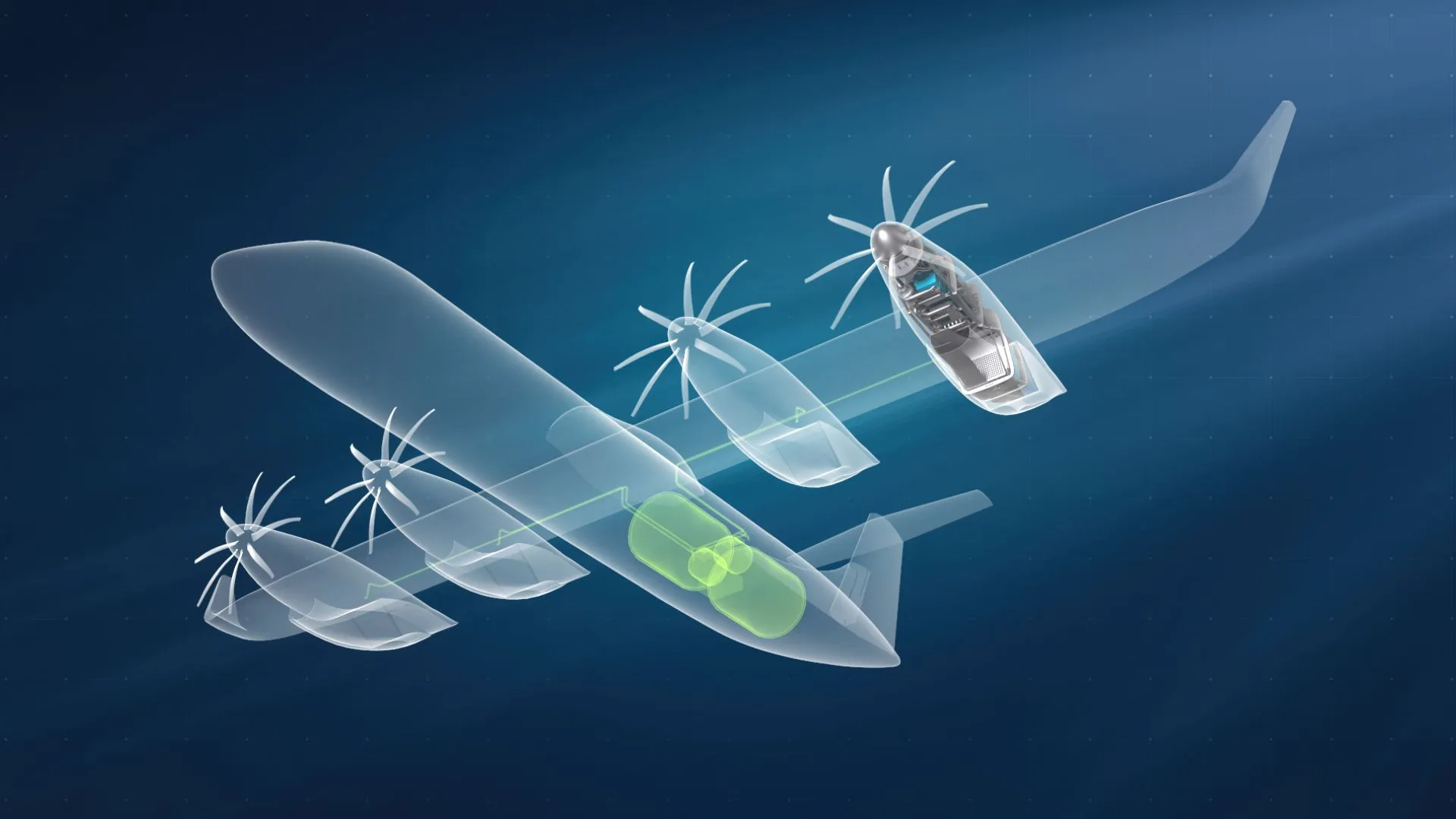
Liquid hydrogen propulsion generates electrical energy from an electrochemical reaction that produces only clean water vapor.
Consequently, this method completely eliminates carbon dioxide and nitrogen oxide emissions during flight operations. Likewise, the system eliminates traditional fuels, reducing the overall environmental impact of air transport. The accumulated experience of the engineering teams supports the technical and operational viability of cryogenic electric propulsion.
On one hand, the aeronautical firm contributes its expertise in liquid fuel system integration and large commercial aircraft design. On the other hand, the engine company leads turbine engineering, technical maintenance, and validation of safe powerplants.
Recently, the turbine manufacturer completed the design of its flying unit and successfully tested the eMoSys electric motor at its Munich facilities. The consortium seeks to establish a viable, safe, and economically competitive commercial standard for the global industry.
Source and photo: Airbus