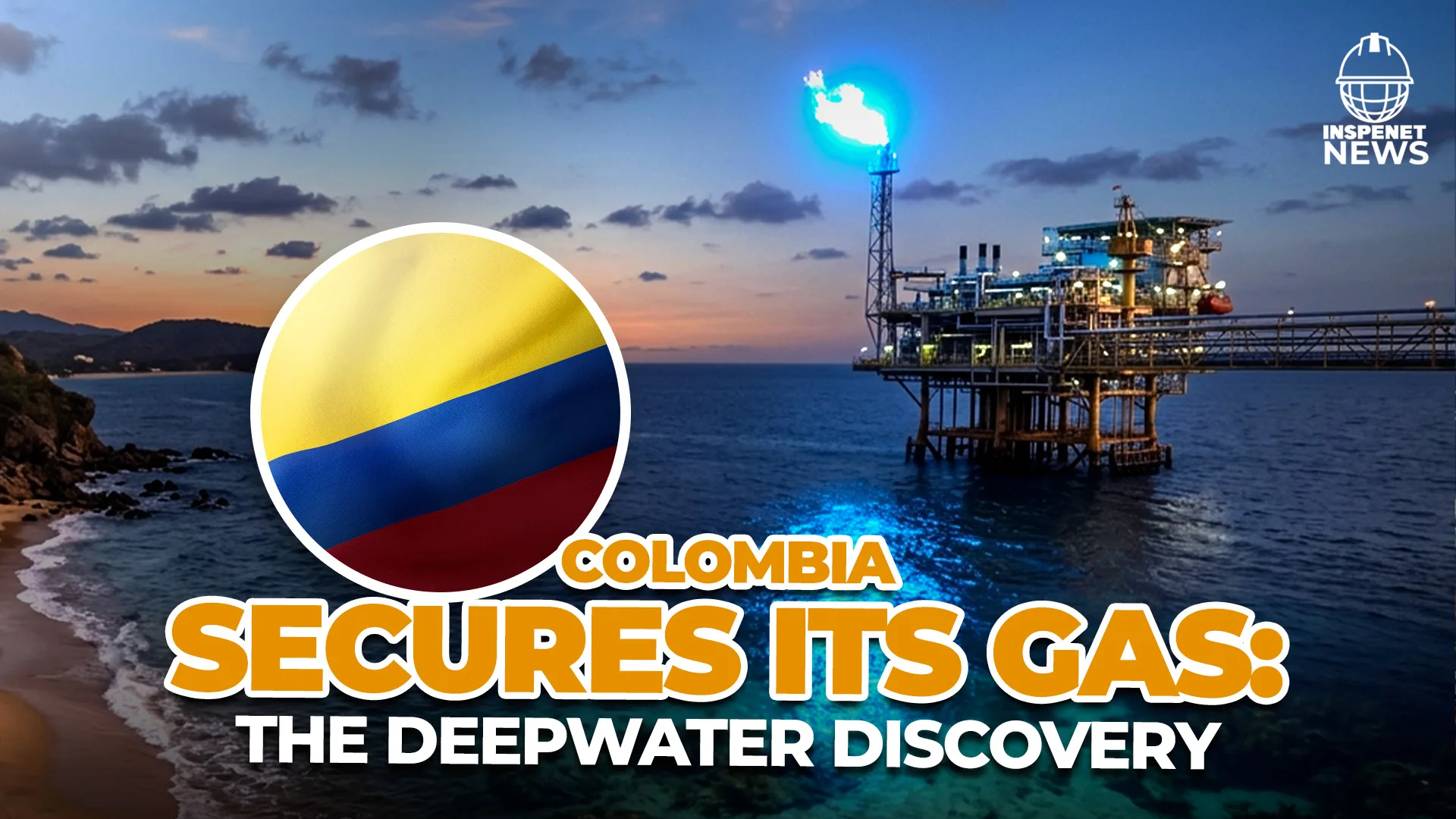
Petrobras and Ecopetrol confirm new natural gas discovery in the Colombian Caribbean
The potential of natural gas in the Colombian Caribbean continues to grow. Petrobras and Ecopetrol confirmed a new natural gas discovery following the drilling of the Sandía-1 exploratory well, located in the GUA-OFF-O Block in deep waters off the Colombian coast. This discovery strengthens expectations regarding the future availability of the resource and supports the offshore exploration campaign that both companies are conducting in the region.
Sandía-1 strengthens the gas potential of the Colombian Caribbean
The exploratory well is located approximately 42 kilometers off the coast and operates in a water depth of 1,285 meters. It is also situated 18 kilometers from the Sirius-1 and Sirius-2 wells, and nine kilometers from the Copoazú-1 well, discoveries that in recent years have confirmed the presence of hydrocarbons in this area of the Colombian offshore.
This proximity strengthens the prospect that the bloc holds larger gas reserves , an aspect that could contribute to expanding the country's energy supply once the corresponding technical evaluations are completed.
The technical assessment will define the scope of the discovery.
Drilling of Sandía-1 began on June 12, 2026, and reached its final depth on July 29. During operations, intervals with gas presence were identified and are currently being analyzed using specialized well logs.
Subsequently, the samples obtained will undergo laboratory testing to determine the characteristics of the deposit and establish its commercial development potential. These studies will define the recoverable volume and the feasibility of future project phases.
Petrobras and Ecopetrol advance in a joint strategy
The project is being developed under the GUA-OFF-O Contract signed with the National Hydrocarbons Agency (ANH). Petrobras International Braspetro BV – Colombia Branch acts as the operator with a 44.4% stake, while Ecopetrol owns the remaining 55.6%.
For Petrobras, this project is part of its strategy to incorporate new reserves through offshore exploration and the development of international partnerships. The company believes these projects can contribute to energy supply during the energy transition.
The discovery boosts expectations for natural gas supply
Ecopetrol 's perspective , the new natural gas discovery confirms the high potential of the Colombian Caribbean and supports the results obtained in the offshore exploration campaign.
The company also believes these advances will further expand geological knowledge of the region and strengthen the prospects for increasing natural gas availability to meet national demand in the coming years. Before moving to a potential production phase, the companies must complete the technical and regulatory assessments that will determine the true extent of the discovery.
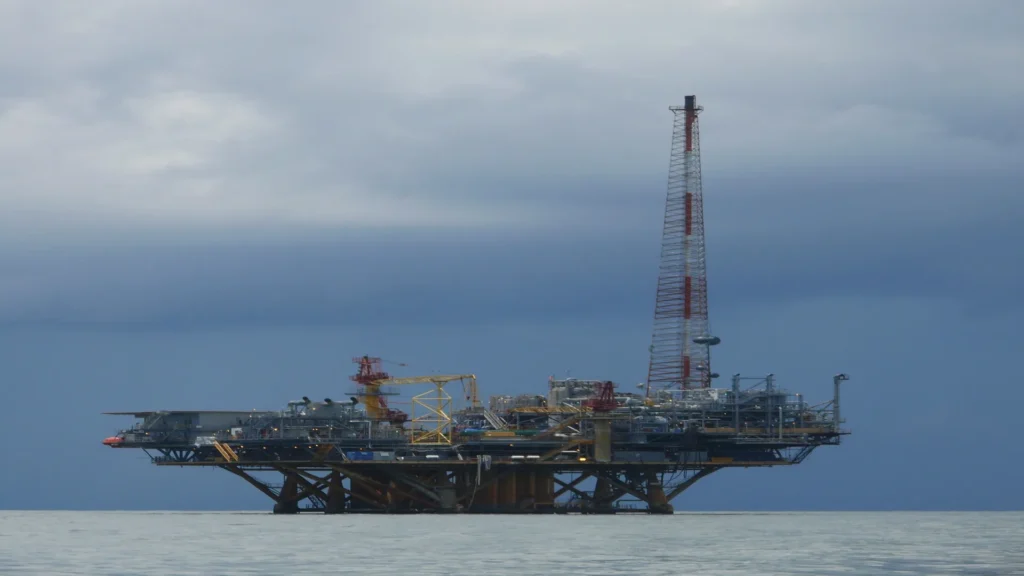
News of additional interest
Island Evolution is moving towards its final stage in Norway
The Island Evolution, the first hybrid ocean energy vessel commissioned by Island Offshore from VARD, has arrived at the Vard Langsten shipyard in Norway for outfitting and final work before entering service. Construction of the vessel began in Romania in 2025, and after being launched and moved between various VARD shipyards, it is now in the final phase of the project.
The vessel is part of a series of two units with the VARD 3 25 design and a length of 120 meters. It will be equipped to perform underwater inspections, maintenance, and repairs; install underwater infrastructure; lay pipelines; support diving operations; and deploy remotely operated vehicles. It will also feature a 250-ton underwater crane with wave compensation, DP2 dynamic positioning, and accommodation for 120 people.
Whitelee seeks to double its wind power capacity
Iberdrola, through ScottishPower, announced a plan to modernize the Whitelee onshore wind farm in Scotland by replacing its turbines with higher-capacity equipment. The initiative will increase the installed capacity from 539 MW to 1,000 MW through an investment of €1.8 billion. Once completed, the complex will be able to generate clean electricity to supply more than 1.5 million people.
The project will leverage existing infrastructure to extend the park's lifespan and improve its performance. The company estimates the modernization will contribute €380 million to the Scottish economy over the next decade and support hundreds of jobs in areas such as engineering, logistics, operations, and maintenance. The initiative is also part of ScottishPower's investment plan to strengthen the electricity grid and expand renewable energy generation in the UK.
Ecopetrol and Parex activate alliance in Magdalena Medio
The collaboration agreement between Ecopetrol and Parex Resources to jointly develop the Casabe, Casabe Sur, Peñas Blancas, and Llanito fields has entered into force after all the established conditions were met, including approval from the Superintendency of Industry and Commerce. With this progress, the companies have begun the first stage of the project, focused on accelerating the development of these assets located in the Middle Magdalena region.
The initial phase involves a US$250 million investment, to be financed by Parex over the next five years. These funds will be allocated to enhanced oil recovery projects, optimization of water injection, drilling of new wells, and exploratory activities to identify growth opportunities. Furthermore, the companies anticipate that Parex will begin operations in the fields before the end of the year and participate in the corresponding production.
Questionnaire published for PSC 2026 inspections
The Paris and Tokyo Memoranda of Understanding have published the official questionnaire for the 2026 Concentrated Inspection Campaign (CIC) on cargo securing. The campaign will begin on September 1 and run until November as part of routine Port State Control (PSC) inspections. The document includes ten questions to verify compliance with cargo securing and lashing requirements. Seven of these questions could lead to the detention of a vessel if non-compliance is detected.
Maritime authorities believe that cargo securing failures may reflect deficiencies in vessel safety management systems. Therefore, they recommend updating the Cargo Securing Manual, checking the condition of lashing equipment, and reinforcing crew training. DNV also announced a webinar on the campaign and the integration of the questionnaire into its PSC Planner tool to facilitate inspection preparation.