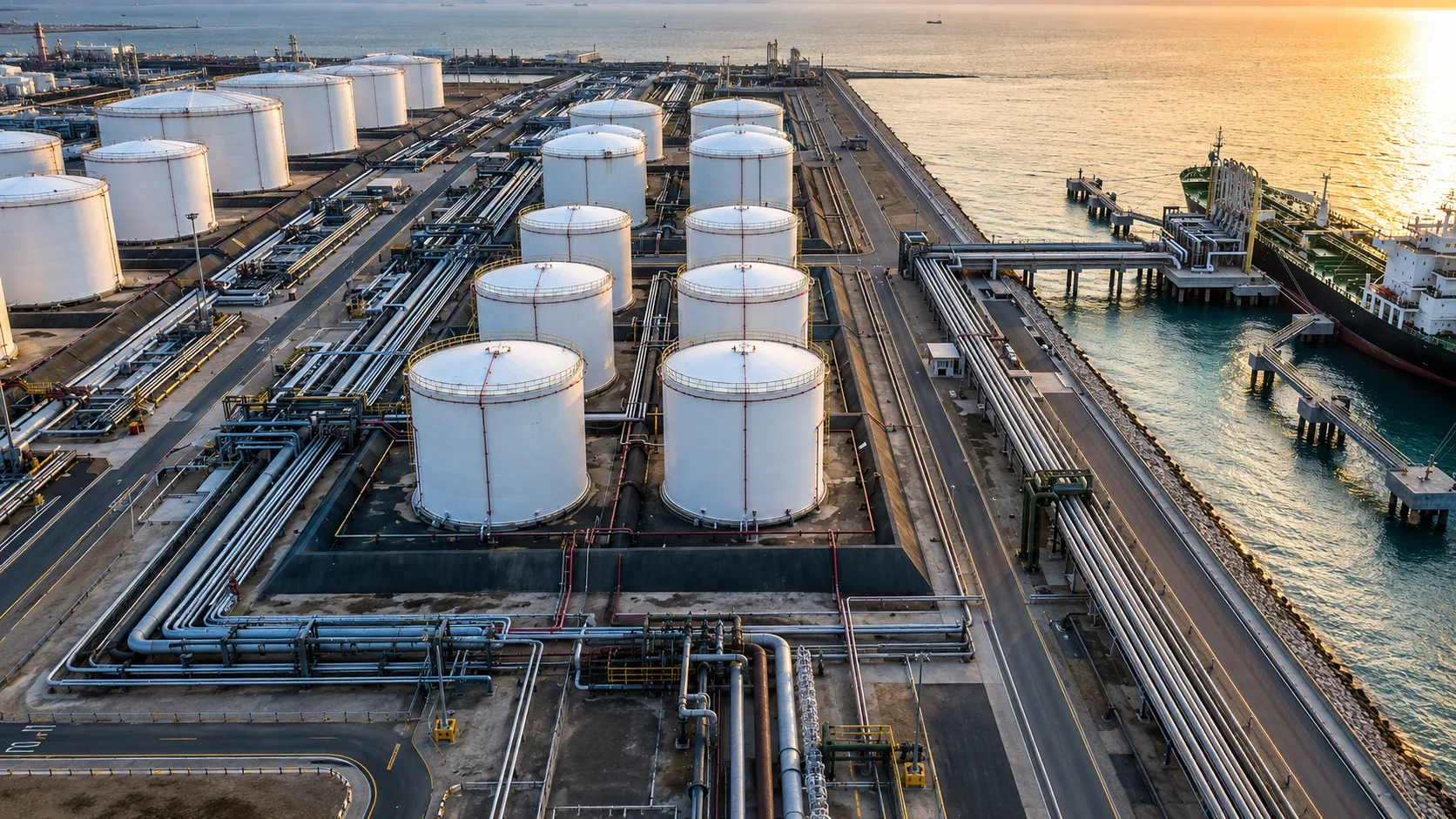
The global tank storage industry is entering one of the most demanding periods in its history. Aging infrastructure, tighter environmental regulations, rising operational costs, emissions accountability, and increasing expectations around reliability are forcing operators to rethink how storage assets are managed, maintained, and modernized.
In this environment, technical execution alone is no longer enough. Operators are increasingly looking for strategic partners capable of improving long-term asset performance, reducing operational exposure, optimizing emissions control, and supporting infrastructure decisions that directly impact safety, sustainability, and profitability.
Over the years, HMT LLC has established itself as one of the most recognized global authorities in aboveground storage tank solutions, supporting terminal operators through engineering expertise, emissions reduction technologies, inspection services, floating roof systems, repairs, and reliability-driven strategies designed for complex industrial environments.
In this exclusive interview for the 8th edition of Inspenet Brief, Allie Alderson shares her perspective on the operational realities shaping today’s storage industry, the hidden challenges many operators continue underestimating, and why the future of tank infrastructure will increasingly depend on smarter, more integrated long-term solutions.
- What do you believe truly separates market leaders from the rest of the industry today?
The companies leading this industry are no longer focused only on maintenance and reacting to poor performing tanks and piping or standard maintenance intervals, they are focused on total asset performance and reliability. Market leading owners invest proactively in the future benefits as well as the operational requirements of their facility; whether it is emissions reduction, inspection visibility, reliability, engineered tank optimization, or long-term infrastructure strategy.
At HMT LLC, we support that evolution through integrated engineering, inspection, repair and maintenance, floating roof systems, seal technologies, aluminum domes, emissions reduction devices, and turnkey tank solutions that improve operational performance over the full lifecycle of the asset.
- Why can a reactive mindset become extremely costly over the long term?
Reactive operations almost always lead to higher long-term costs. Small integrity gaps, deferred maintenance, emissions losses, or outdated equipment can quietly impact throughput, product loss, compliance exposure, and operational reliability for years before they become visible. That is why HMT works closely with operators to identify issues early through advanced inspection services, API-based integrity programs, engineered upgrades, and proactive maintenance strategies that reduce unplanned outages and extend asset life.
- Why are many companies still underestimating the real impact of emissions management?
Many organizations still view emissions strictly through a regulatory lens, when in reality it directly impacts profitability, permitting flexibility, operational efficiency, and public perception. Lost emissions are often lost product and lost revenue. HMT helps operators address this through advanced seal systems, thoughtfully engineered floating roofs, geodesic domes, emissions reduction devices, gauge pole controls, floating suction systems, and tank optimization strategies designed to reduce emissions while improving performance with a quick ROI.
- Where are operators losing the most value without realizing it?
We frequently see hidden losses tied to aging floating roof systems, degraded seals, poor drainage systems, excessive heel, stranded inventory, and outdated tank designs that limit working capacity. Many facilities are operating with equipment that no longer aligns with current environmental or operational expectations. Through engineered upgrades and retrofit solutions (like domes on in-service EFRs), HMT helps operators improve emissions performance, increase working capacity, reduce maintenance intervals, and optimize tank operations without always requiring full replacement.
- What recurring operational weaknesses or integrity gaps do you consistently see in the field?
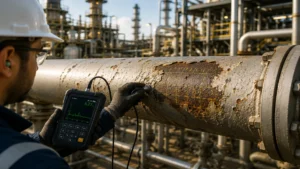
One of the biggest challenges is aging infrastructure operating beyond its original design assumptions. We commonly see delayed inspections inconsistent maintenance planning, seal degradation, corrosion issues, drainage failures, and limited visibility into true tank condition. HMT addresses these gaps through API inspection services, advanced NDE technologies, drone inspections, engineering analysis, repair programs, and customized integrity strategies tailored to each facility’s operational priorities.
- How should terminal operators rethink long-term asset performance?
Asset performance should no longer be measured simply by whether a tank has failed. Operators need to evaluate emissions performance, reliability, maintenance frequency, operational flexibility, throughput optimization, and lifecycle cost together. At HMT, we help customers rethink storage infrastructure holistically, combining inspection data, engineering insight, emissions reduction technologies, and repair planning into long-term operational strategies and we have over 50 years in business to prove that value.
- What risks become more critical when companies postpone modernization or integrity investments?
The risks compound quickly. Aging infrastructure increases exposure to emissions losses, corrosion-related failures, unplanned outages, operational inefficiencies, and tightening regulatory requirements. Postponing modernization often reduces operational flexibility at the exact time facilities need greater resilience. HMT helps operators prioritize modernization through targeted repairs, tank upgrades, floating roof conversions, aluminum dome installations, and engineered solutions that improve reliability while extending the useful life of critical assets.
- How can sustainability and profitability realistically coexist?
The strongest sustainability initiatives are often the ones that improve operations at the same time. Better seals, floating roofs, emissions controls, tank optimization, and integrity programs can reduce product loss, improve throughput, extend maintenance intervals, and reduce total lifecycle cost while supporting environmental objectives. At HMT, we see sustainability and operational performance working together every day across global facilities.
- How important is it for service providers to evolve into strategic operational partners?
It is essential. Operators today need more than contractors, they need technical partners capable of supporting inspection, engineering, maintenance, emissions reduction, repair planning, and long-term optimization strategies together. HMT’s integrated approach allows us to help customers solve operational challenges holistically instead of addressing issues one project at a time.
This is compounded with more responsibility being placed on lean integrity teams so this bundled approach allows our partners to focus on the big picture while we tackle the scopes of work with consistent communication and quality.
- What separates organizations that consistently outperform the rest of the market?
The strongest organizations invest proactively, leverage data effectively, modernize infrastructure strategically, and maintain operational discipline. They understand that reliability, emissions performance, and integrity management directly influence profitability. The operators outperforming today are the ones treating storage infrastructure as a strategic operational asset, not simply a maintenance responsibility. We take the same approach with our company, focusing on where the industry is headed and working proactively to have the solutions to keep these businesses at the top of their game. With recent regulatory changes, like the EPA’s Kc rule, we designed a BACT liquid-mounted seal system to not only meet the new requirements but provide a primary seal system to the market that can achieve the maximum level of emission reduction for the rim space. This is one example where taking the initiative and setting the standard has set us apart from our competition.
- How can smarter integrity strategies help companies prepare for uncertainty and disruption?
Operational resilience starts with infrastructure confidence. Smarter integrity programs improve predictability, reduce unplanned downtime, strengthen inspection visibility, and support faster decision-making during changing market conditions. HMT supports this through advanced inspection technologies, engineering support, integrity planning, drone services, NDE capabilities, and customized maintenance programs that help operators maintain operational continuity.
- How is mechanical integrity evolving for aboveground storage tanks?
Mechanical integrity is becoming far more comprehensive. Today it includes emissions performance, digital visibility, predictive maintenance, asset optimization, engineering analysis, and lifecycle reliability, not simply preventing leaks or failures. Operators increasingly want integrated solutions combining inspection, engineering, repair execution, emissions reduction technologies, and long-term planning into a single operational strategy.
- What will define the next generation of tank storage infrastructure, and what role will HMT continue playing globally?
The future of tank storage will be defined by smarter infrastructure, lower emissions, stronger reliability, longer asset life, and more strategic use of operational data. Operators will continue demanding solutions that improve performance while supporting sustainability and regulatory expectations. At HMT LLC, we will continue helping shape that future globally through engineering, advanced inspection capabilities, repair and maintenance methods, floating roof technologies focused on flexibility of operations and optimization, emissions reduction systems, turnkey tank construction, and integrated solutions that help facilities operate safer, cleaner, and more profitably.
The future of industrial storage infrastructure will not be defined solely by capacity or production demand, but by how effectively operators manage reliability, emissions performance, operational resilience, and long-term asset sustainability.
As expectations across the industry continue rising, companies capable of combining technical expertise with strategic operational thinking will increasingly shape the direction of the global storage sector.
The perspectives shared by Allie Alderson reflect how HMT LLC continues contributing to that evolution—helping operators worldwide navigate increasingly complex operational challenges through integrated solutions focused on safety, performance, sustainability, and long-term reliability.
This article was developed by Allie Alderson of HMT LLC and published as part of the eighth edition of Inspenet Brief magazine (July 2026), dedicated to technical content for the energy and industrial sectors.