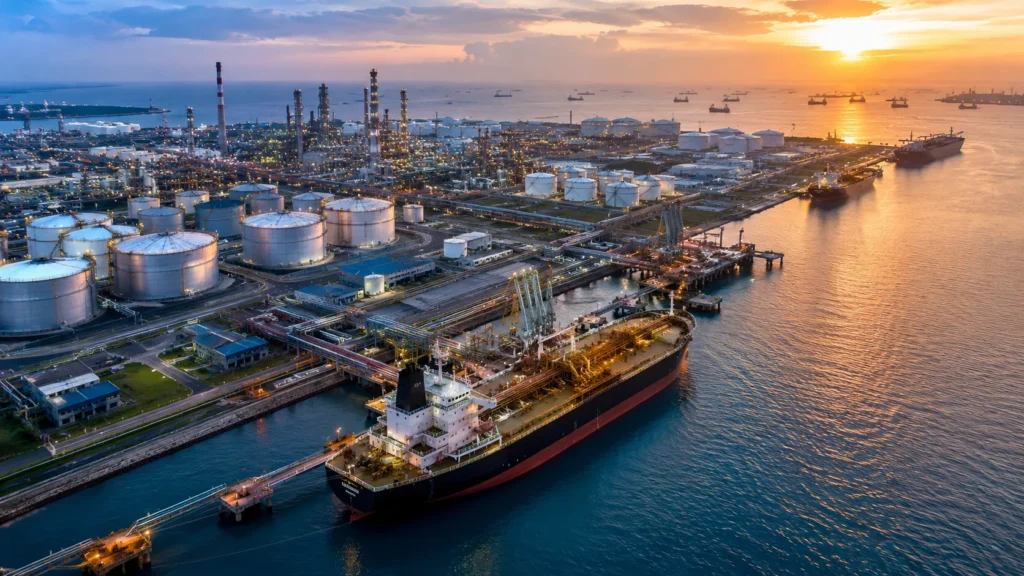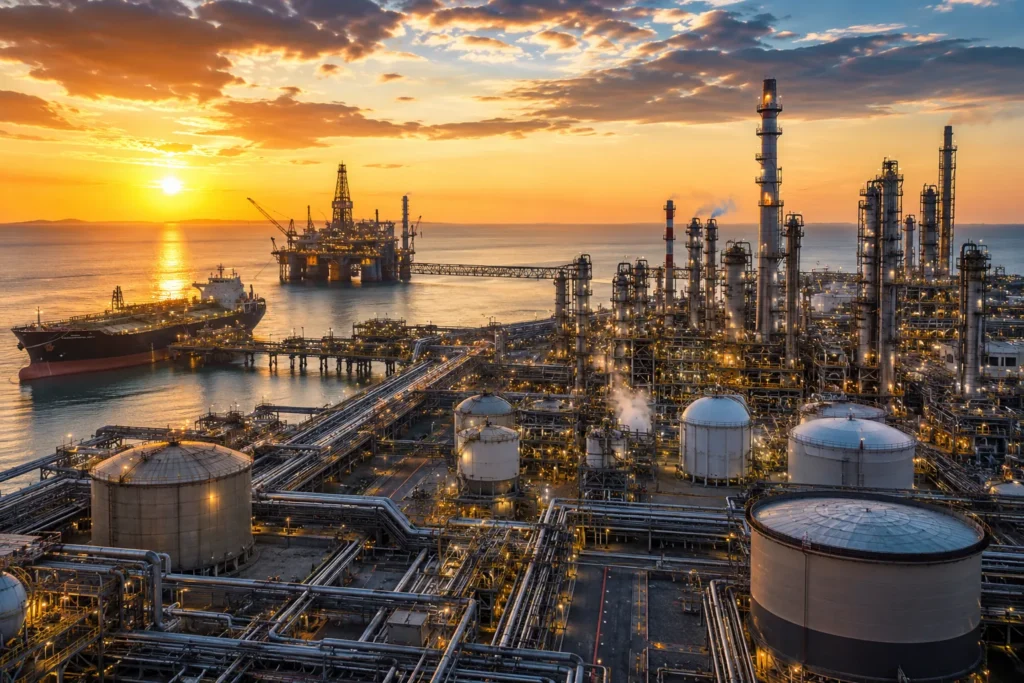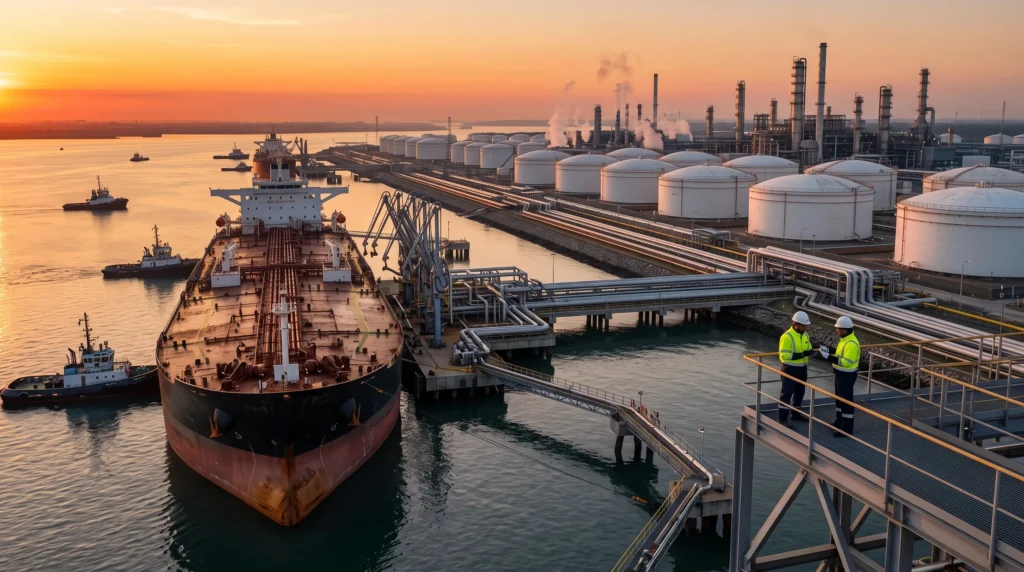

Strait of Hormuz maintains its strategic role in stabilizing the energy market
The Strait of Hormuz remains the world’s most strategic energy corridor by sustaining oil and LNG transport despite geopolitical uncertainty.
Energy exploration in Australia begins a new growth cycle with investments, technological innovation, and projects to expand gas production.
Acoustic Emission is an advanced NDT technology that detects active damage in real time, supporting mechanical integrity and continuous monitoring.
The European oil market enters a new phase after the return of higher volumes of Gulf crude and the adjustment of the physical market.
Pipeline expansion in the U.S. advances with new projects that will strengthen natural gas transportation and the midstream market.
Offshore activity in Norway faces operational disruptions as the labor dispute begins to affect drilling and oilfield services.
U.S. drilling rigs record their largest weekly increase since 2022, reflecting the recovery of the upstream market.
The World Bank report highlights a growing infrastructure gap to capture, process, and monetize associated gas, reinforcing investment opportunities in gathering, compression, processing, LNG, and asset reliability systems.
SEOGS 2026 Suriname Gathers Energy Leaders as Petronas Exceeds 1 Billion boe in Block 52.
The labor dispute affecting well service workers continues to intensify after negotiations for a new collective agreement failed to reach definitive results.
Nuclear energy in India accelerates private investments and advanced projects to support the country's energy growth.
Professions linked to engineering and technology are among the highest paid in the modern economy.