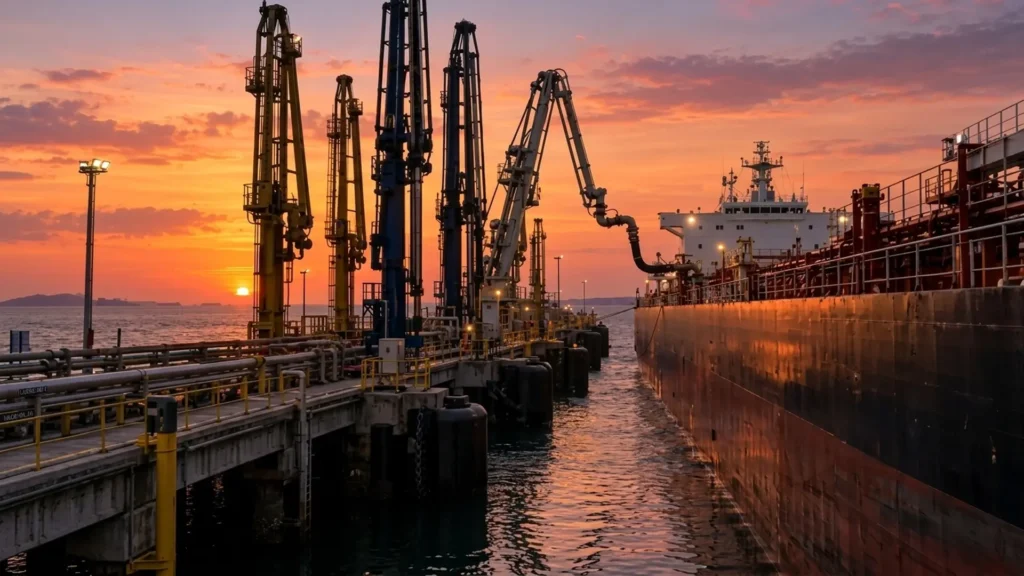
Spill risk at marine terminals: Marine loading arm and ERS
Marine loading arms and ESD and ERS systems control spill risk, product isolation and emergency release during fluid transfer operations at marine terminals.
Marine loading arms and ESD and ERS systems control spill risk, product isolation and emergency release during fluid transfer operations at marine terminals.
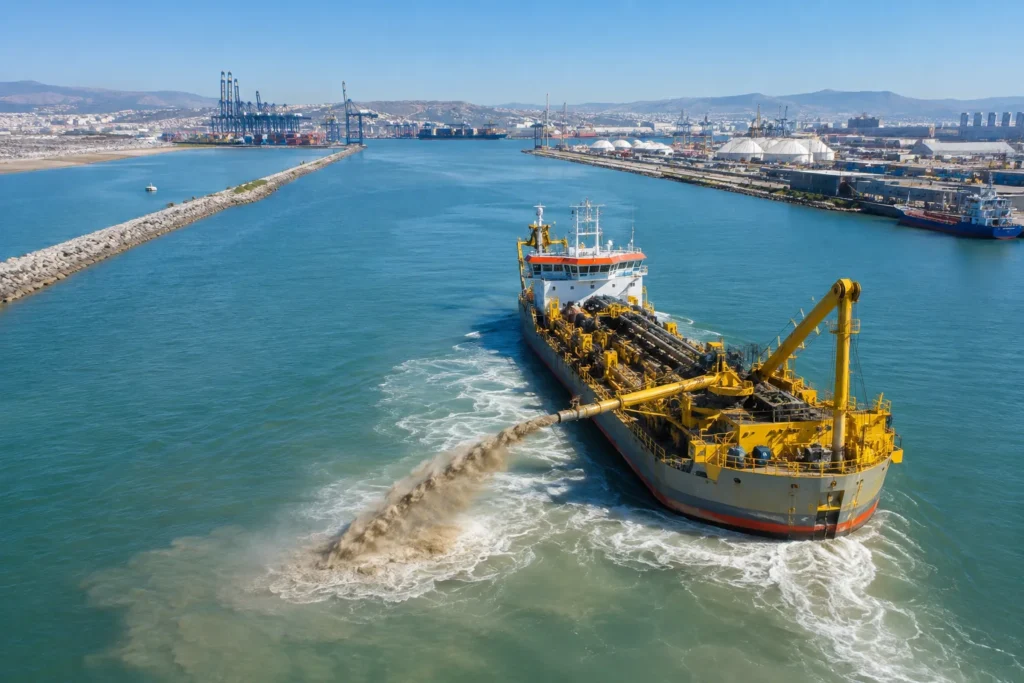
A loss of draft can restrict the operation of marine terminals. Learn how bathymetry, sediment analysis, and maintenance dredging can help restore operational depth.
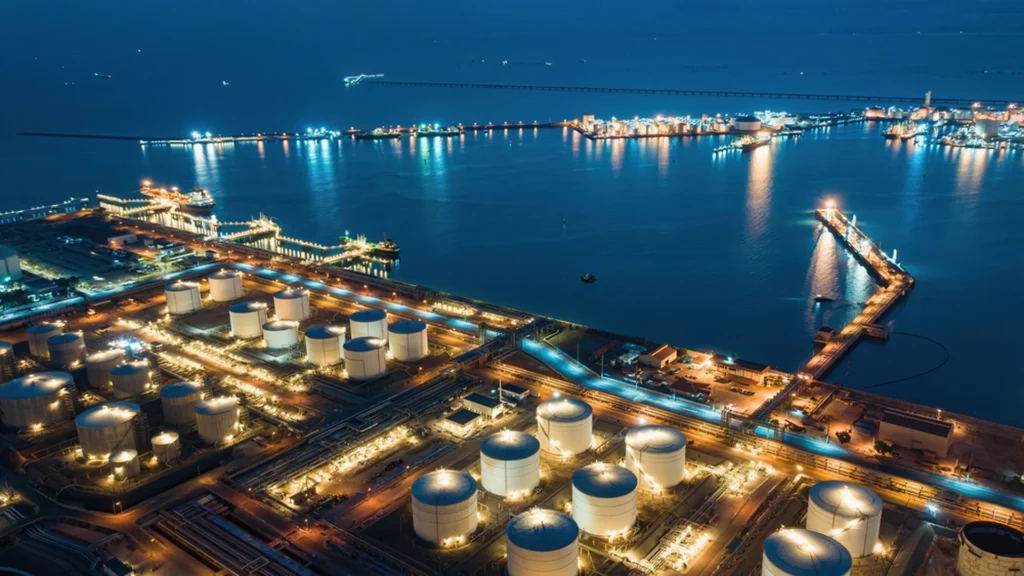
Leakhena Swett examines the impact of liquid terminals on energy security, the transition to sustainability, and the challenges facing the sector.
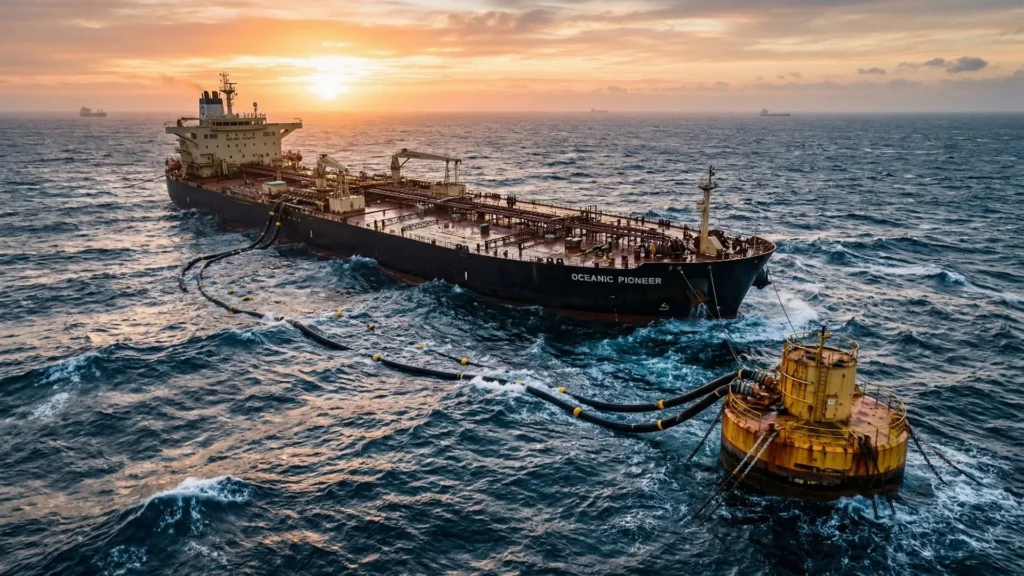
How offshore systems are evolving through predictive maintenance, digital monitoring, and applied engineering to enhance safety and operational performance.
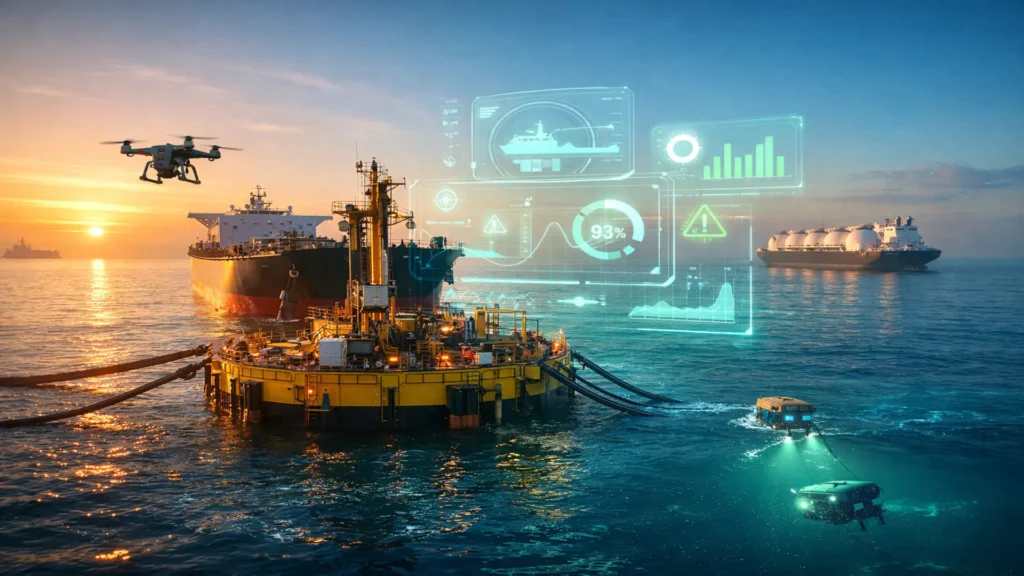
Interview with Filipe Santana, president of SLOM, on operational safety, digitization, and energy transition in offshore terminals.

Fuel terminals adapt operations to regulatory pressure, emissions control, and digital monitoring requirements.
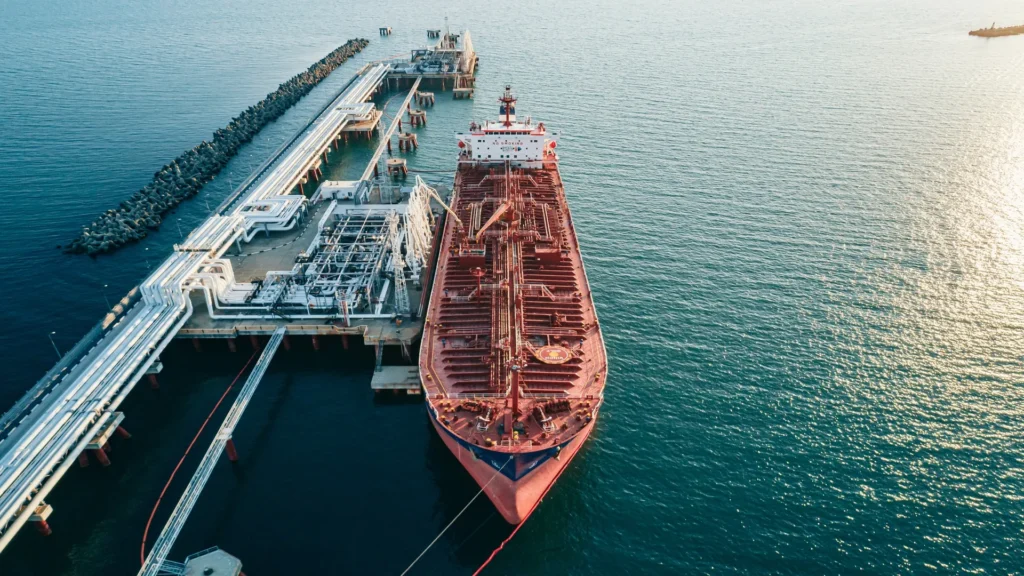
Marine terminals must adapt operations, safety frameworks, and skills to manage new fuels, decarbonization demands, and increasing operational complexity.
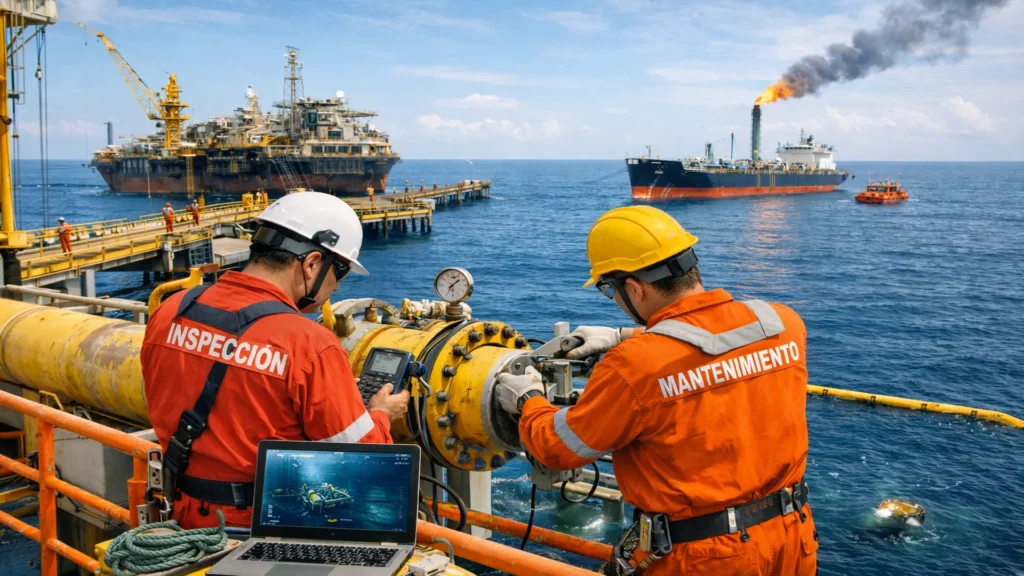
Optimizing integrity management in SPM systems is key to preventing premature deterioration caused by poor technical inspections.

Oil terminals are structures necessary for storing, transferring, and controlling hydrocarbons, ensuring logistical continuity, operational safety, and industrial integrity.

Staff expertise and judgment are essential to prevent risks and maintain reliable operations.