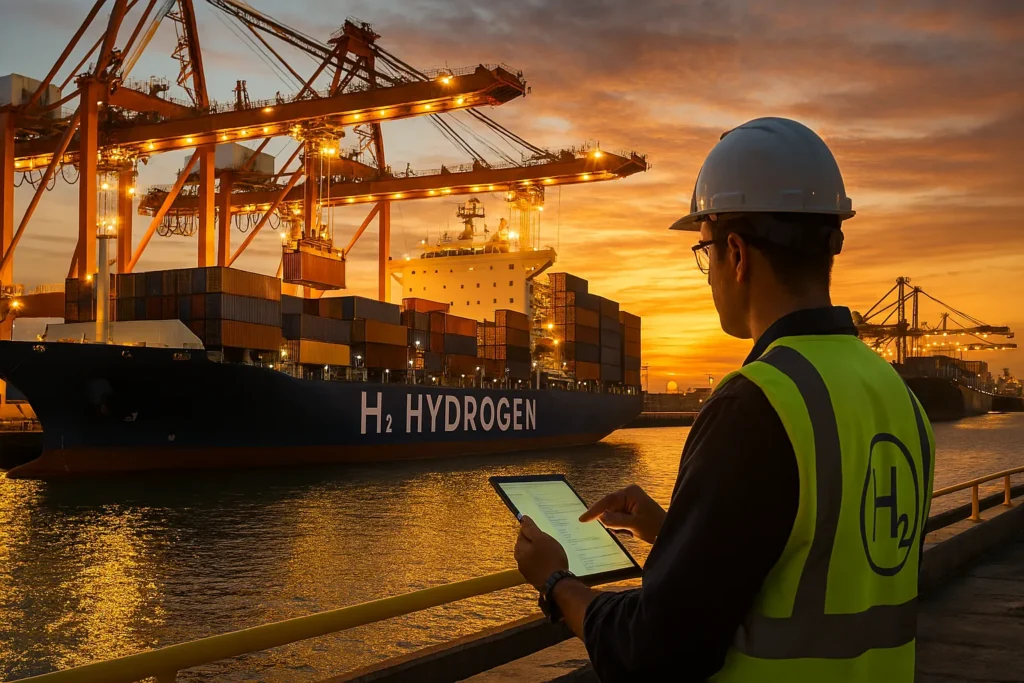
Maritime terminals: management and technology for clean fuels
The transition to clean fuels at maritime terminals depends on both technology and human management.
The transition to clean fuels at maritime terminals depends on both technology and human management.
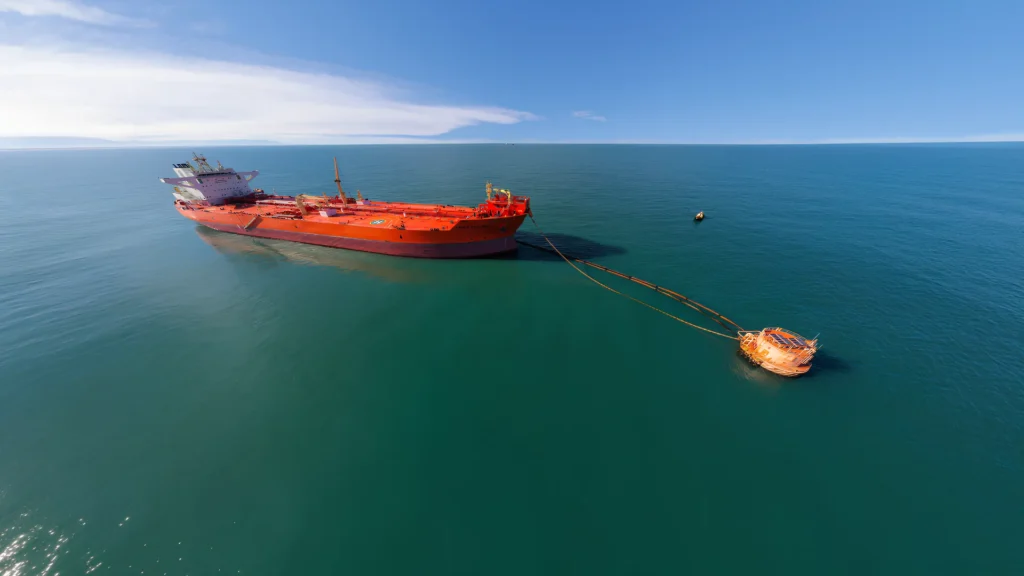
Transpetro upgrades its offshore monobuoys with AI, GPS, and ROVs to increase operational safety and logistical efficiency.
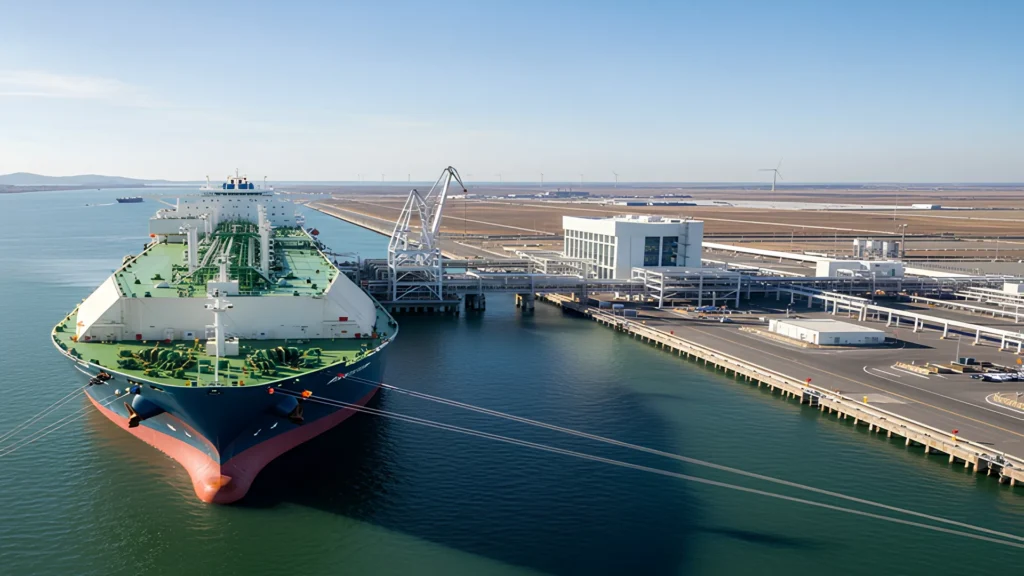
LNG is now a key component of global energy security and sustainability. Inspenet explains why it is leading the energy transition.
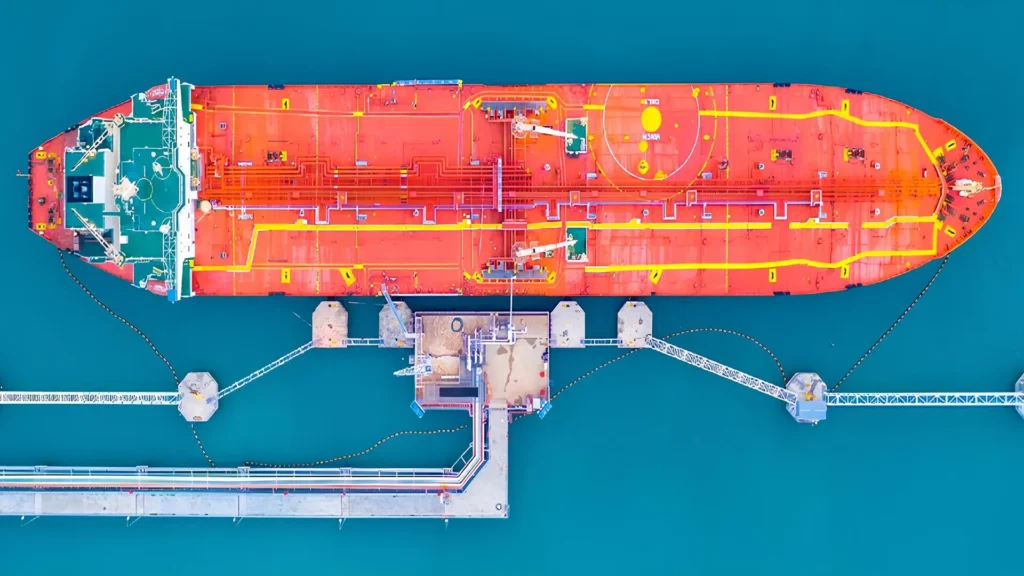
Grupo HB offers construction and maintenance of docks, monobuoys and terminals, guaranteeing safe operation and regional regulatory compliance.
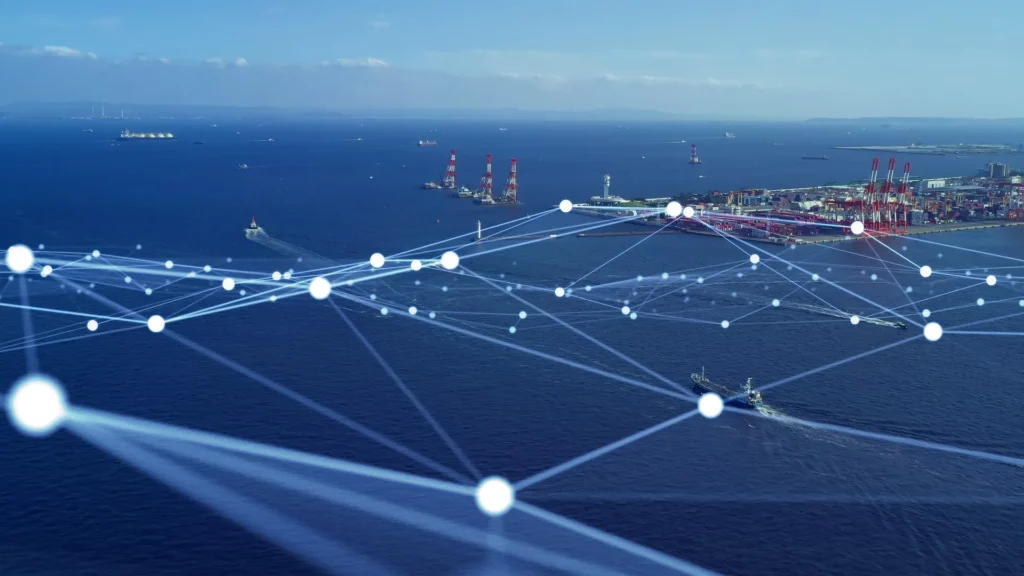
Data centralization makes it possible to anticipate bottlenecks, shorten dock times and ensure acceptable risk levels.
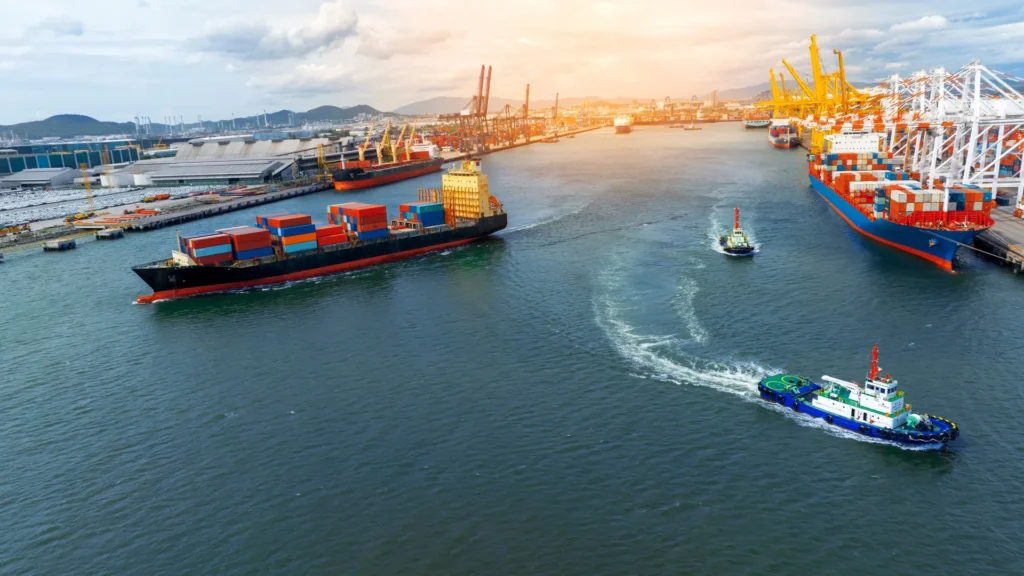
SLOM coordinates Latin American yards and monobuoys to integrate clean fuels, CCS and digitalization, reducing emissions in the maritime energy chain.
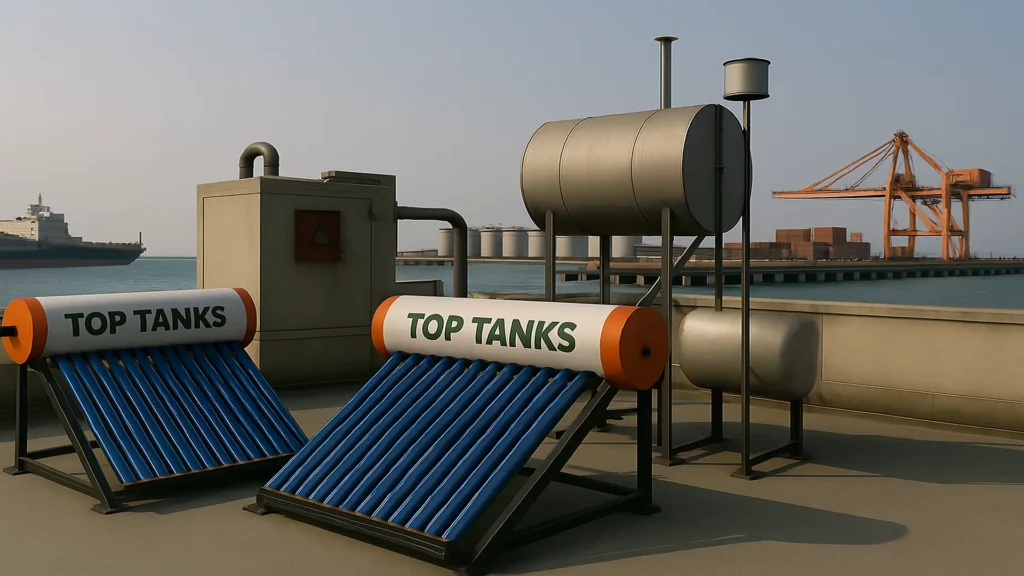
With solar thermal tanks, docks and port terminals can reduce their dependence on fossil fuels and contribute to a cleaner planet.
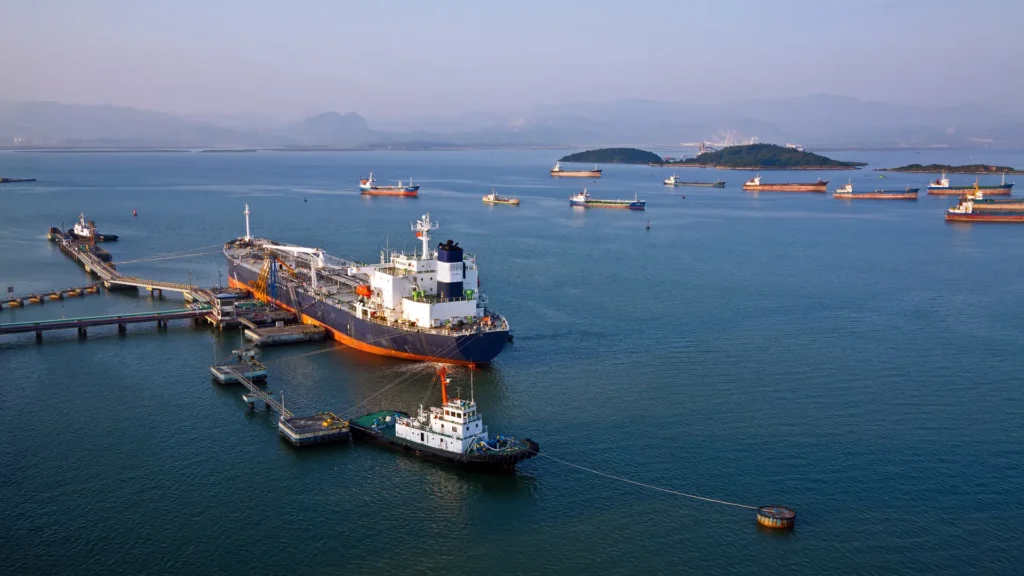
Chartering optimizes port logistics at liquid terminals, improves shipping efficiency and reduces delays through strategic contracts and technology.
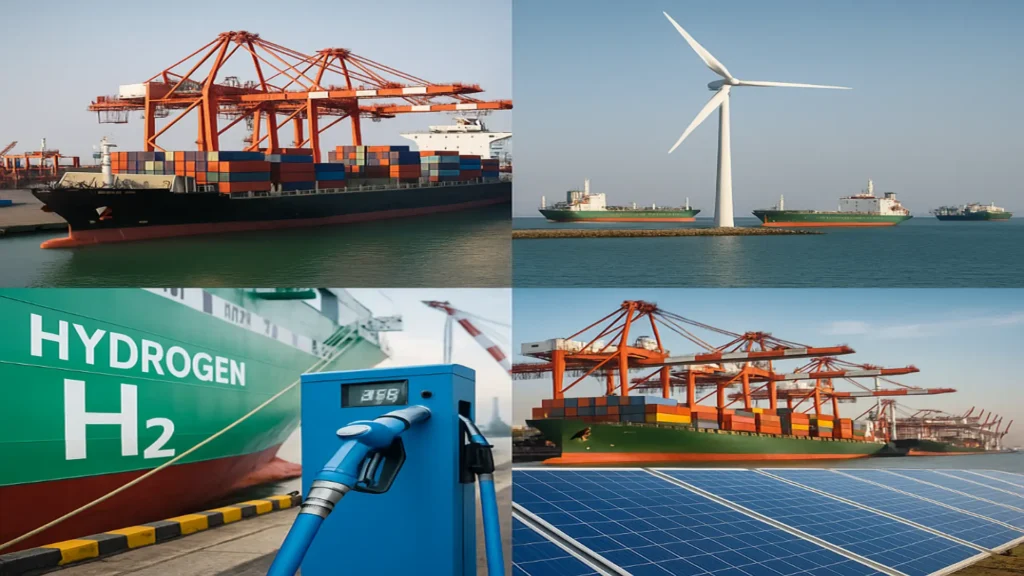
IMO poses net zero emissions in marine terminals by 2050 in the face of the 3% GHG generated by global shipping.
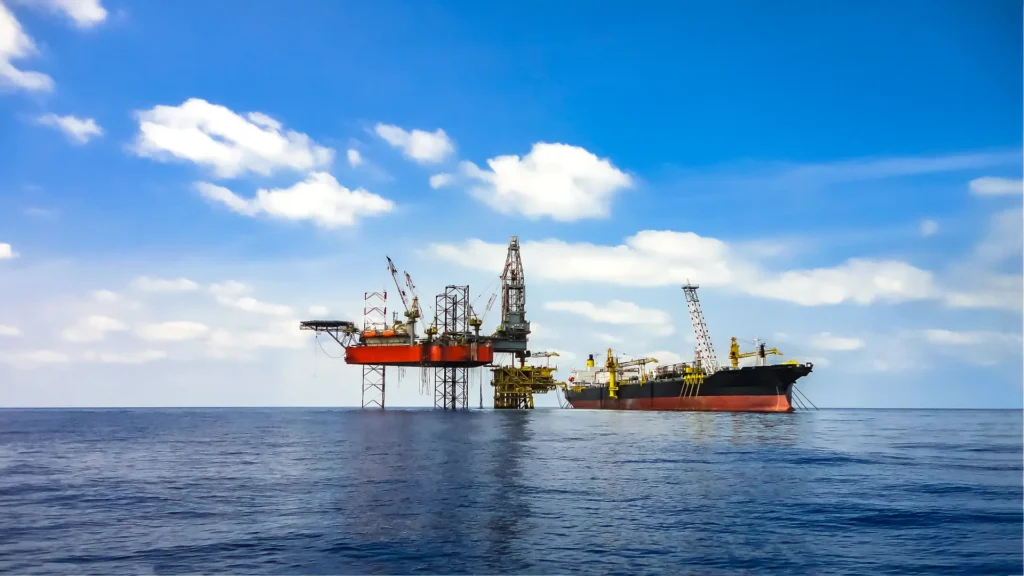
FPSO vessels have emerged as a distinctive alternative to fixed platforms and other traditional offshore systems.