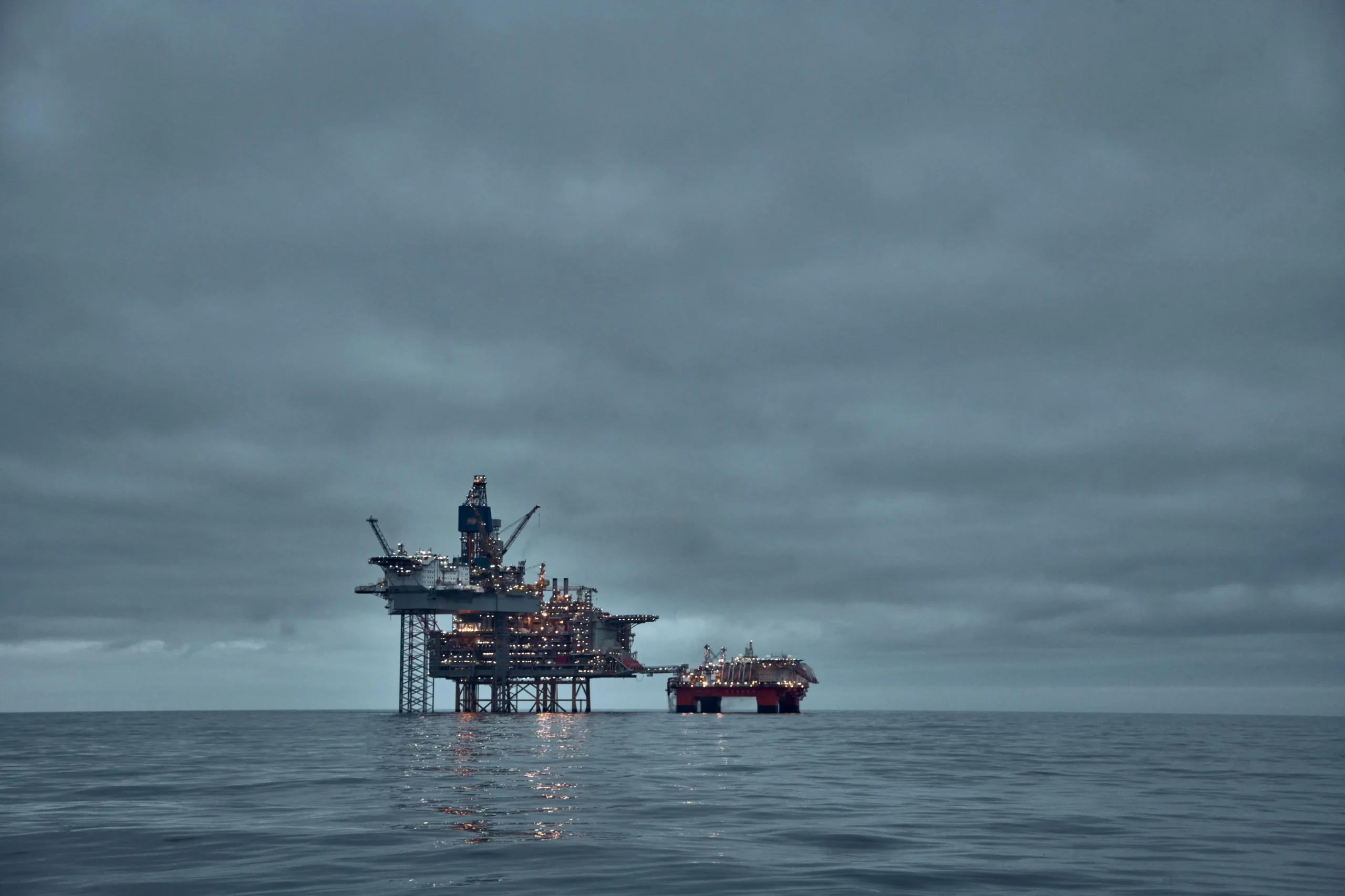
The storms Edouard could cause limited losses of oil and gas production as it moves through the Gulf of Mexico towards the coasts of Texas and Louisiana.
Tropical Storm Edouard is expected to have a limited impact on oil and gas
According to GOMsmart de Earth Science Associates (ESA), the impact of Edouard on the Gulf energy production it would be minimal. The platform projected average losses of 19,999 barrels of oil and 69.9 million cubic feet of natural gas associated with the system’s passage.
In comparison, the difference to other events of the season is considerable, Storm Bertha was linked to losses of 7.1 million barrels of oil and 9.8 million cubic feet of gas, according to data provided by ESA.
Thus, initial estimates point to a relatively small disruption to oil and gas operations in the Gulf despite the anticipated strengthening of Edouard.
GOMsmart calculates potential losses using variables such as the trajectory, intensity and speed of storms and their interaction with oil and gas platforms distributed in the basin.
ESA defines itself as a provider of data and analysis for hydrocarbon producers in the Gulf, according to information provided by the company in July, its clients represent more than 85% of the hydrocarbons produced in the basin.
Gulf energy production remains under scrutiny
On the other hand, the Gulf’s importance to the US supply keeps attention on the evolution of Tropical Storm Edouard. The United States Energy Information Administration (EIA) it indicated in its short-term energy outlook for August that the region’s crude oil production averaged 1.9 million barrels per day during 2025. Marketed natural gas production also reached about 1.9 billion cubic feet per day.
In this context, even a storm with limited physical effects can temporarily modify production, transportation, or other operations hydrocarbon exports.
EBW Analytics Group indicated that Edouard was unlikely to cause significant damage to facilities and infrastructure due to its predicted intensity. However, the firm raised concerns about potential bearish effects on the natural gas market.
These include a temporary reduction in demand due to the drop in temperatures caused by rain on the Texas electrical system and possible variations in liquefied natural gas exports.
Edouard is approaching Texas and Louisiana
Meanwhile, the U.S. National Hurricane Center (NHC) it was reported that Edouard had maximum sustained winds of around 64 km/h at 4:00 a.m. CDT on Tuesday. Its minimum central pressure was 1,005 millibars and it was moving west-northwest at about 13 km/h.
The agency expected the system to strengthen before reaching the northwestern Gulf Coast, there was even a possibility it could reach hurricane strength before making landfall.
Tropical storm conditions were forecast for portions of the coast, and hurricane conditions were possible between High Island, Texas, and Cameron, Louisiana.
Additionally, a storm surge warning remained in effect from High Island to the Vermilion-Cameron parish boundary. In some areas, water levels could rise 3 to 5 feet above normal ground level.
Heavy rains also pose a major risk, with precipitation expected over the north coast of Texas, parts of the central-east of the state and the extreme southwest of Louisiana with the possibility of flash flooding mainly in urban areas.
Hurricanes continue to put energy infrastructure at risk
For their part, NOAA it maintains a forecast of below-normal activity for the Atlantic hurricane season, its update assigns a 75 % probability to a below-normal season, a 20 % probability to near-average activity, and a 5 % probability to an above-normal season.
The agency estimates between seven and 13 named storms, between two and six hurricanes, and up to two major hurricanes during the season.
Despite this forecast, the Gulf oil and gas infrastructure it remains exposed to disruptions when tropical systems pass through areas with a high concentration of platforms.
Hurricane Ida showed the scale that these disruptions can reach, according to data from the Bureau of Safety and Environmental Enforcement (BSEE), 95.65 % of oil production in the Gulf was shut down on August 29, 2021. Two days later, 94.47 % of gas production remained out of operation.
Given that precedent, the initial projections for Edouard paint a considerably more moderate picture, even so, its trajectory keeps oil and gas operations under close watch as the system approaches the U.S. coast.
Source: Rigzone
Photo: Shutterstock