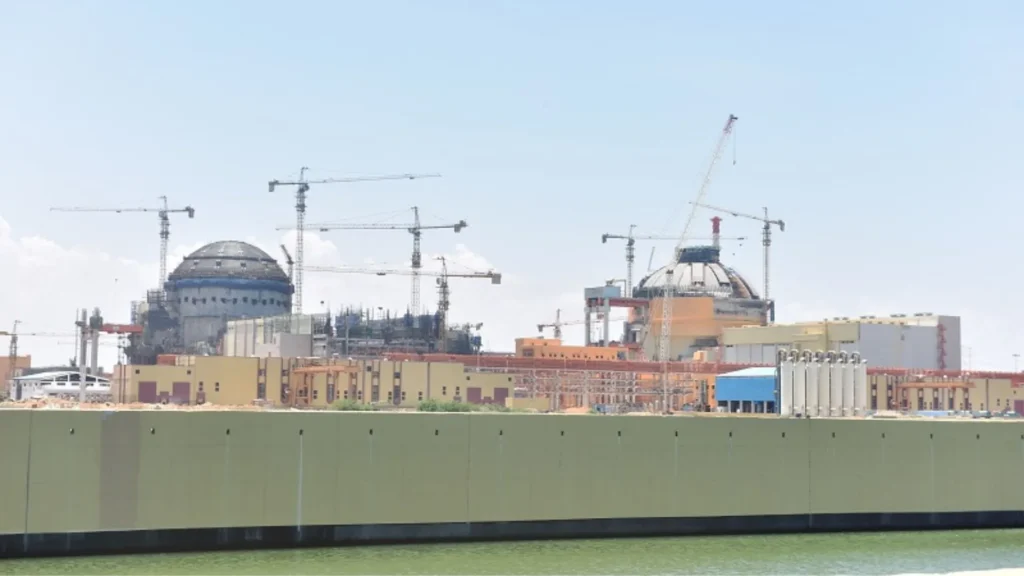
The Kudankulam nuclear power plant in India has begun washing the reactor safety systems in Unit 3, a key step in the commissioning process of this strategic facility.
Kudankulam 3 is progressing into the commissioning phase
The procedure marks the start of the active commissioning phase, a crucial stage for validating the systems’ functionality before the reactor is put into operation. During this activity, demineralized water is used to clean the pipes and verify the integrity of the safety systems.
Likewise, samples of the water used have been collected and sent to a laboratory for chemical analysis, with the aim of ensuring that there are no impurities that could compromise the performance of the system.
How is the washing process carried out?
The process unfolds in several technical stages. First, the hydraulic accumulators and the pressurizer are filled and emptied into the reactor vessel, which constitutes the passive phase.
Subsequently, during the active phase, the safety system pumps are supplied with water from the spent fuel pool. Once activated, they drive the flow towards the open reactor.
During these operations, particles and foreign objects are removed from the primary circuit pipes, preventing possible damage to the reactor’s internal components during startup.
Preliminary preparations and system validation
Before starting this process, several critical activities were completed, including the energizing of auxiliary systems, the production of demineralized water, and the installation of equipment and pipes.
Similarly, the digital control and monitoring systems were put into operation, which are essential to supervise the behavior of the reactor during the following phases of testing.
International cooperation and nuclear development
The Kudankulam project is being developed within the framework of cooperation between India and Russia, with Rosatom as the designer and main contractor. This collaboration dates back to agreements signed in the late 20th century.
According to project representatives, the cleaning of the safety systems is the step prior to reactor assembly. Following this phase, testing of the primary circuit will begin, as well as cold and hot tests.
Energy impact for India
Units 1 and 2, already operational, have generated more than 127 billion kWh, establishing themselves as the most powerful in the country.
With the commissioning of units 3 to 6, the Kudankulam nuclear power plant will significantly increase its capacity, contributing to the electricity supply of the state of Tamil Nadu and strengthening India’s energy security.
Source and photo: Rosatom