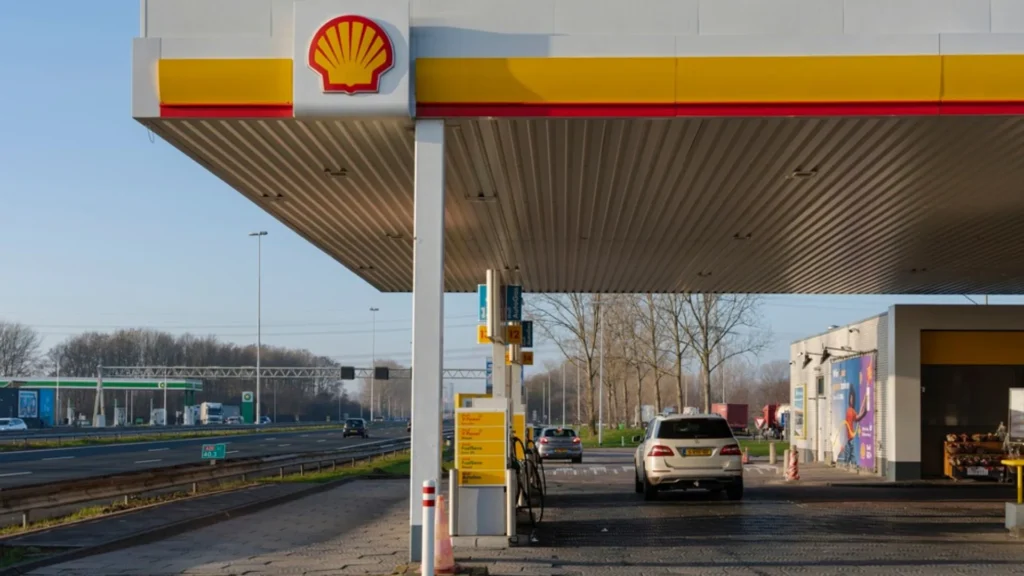
Talks between Shell and the Emirati state-owned company ADNOC are moving toward a potential deal that would redefine the fuel market in South Africa.
Sale of stations in South Africa redefines the downstream market
Shell is in advanced talks with Abu Dhabi National Oil Company (ADNOC) for the sale of stations in South Africa, in a deal that includes its service network in the country. The transaction could reach a value close to $1 billion, according to sources close to the matter cited by Bloomberg.
The agreement would position ADNOC as the preferred bidder after the failure of previous negotiations between Shell and the Gunvor group. If finalized, the transaction could close within the quarter.
A network of 600 stations at stake
The deal includes the sale of approximately 600 fuel retail outlets. This acquisition would allow ADNOC to reach close to 10% of the South African market, consolidating its presence outside the Middle East.
Likewise, the potential purchase represents a strategic step within the Emirati company’s international expansion plans, as it seeks to strengthen its position in emerging markets with high energy demand.
Shell accelerates its exit from the retail business in the region
Shell, with more than a century of operations in South Africa, had already announced its intention to exit the downstream distribution business in the region by the end of 2024. This decision is part of a broader strategy aimed at optimizing its global portfolio.
In parallel, the company has adjusted its first-quarter gas production forecasts, in a context marked by energy market volatility following the conflict in the Middle East.
ADNOC drives its global growth
For its part, ADNOC continues to execute an ambitious investment plan estimated at $150 billion between 2026 and 2030. The objective is to expand its production capacity and respond to growth in global energy demand.
Before the escalation of the conflict with Iran, the company accounted for around 4% of global oil production, reinforcing its weight within the industry.
Impact on the African energy market
The potential transaction reflects a shift in the dynamics of the energy sector in Africa. While traditional companies such as Shell reduce their exposure in certain segments, state-owned players such as ADNOC are advancing their internationalization.
This move could intensify competition in South Africa’s retail fuels market, as well as influence future deals within the downstream sector in the region.
Source: Reuters
Photo: Shutterstock