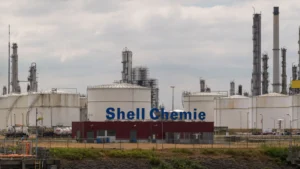
Amid global pressure for the energy transition, Shell has decided to allow its shareholders to vote on a climate resolution driven by the activist group Follow This, although it recommends rejecting it. The resolution requires the company to explain how its strategy would perform in scenarios of falling oil and gas demand.
However, the company maintains that it already provides sufficient information in its current reports. According to its position, this data allows investors to assess financial resilience in various energy scenarios.
Furthermore, Shell warns that approving the resolution could affect corporate governance, as it would force the company to adapt to changing scenarios.
BP rejects the climate proposal
In contrast, BP has decided not to put the resolution to a vote, as its board of directors considers the proposal invalid and lacking in practical effectiveness.
This decision has sparked criticism within the investment community. Some shareholders and proxy advisors have expressed disagreement with BP’s stance, highlighting growing tension between oil companies and climate activism.
Follow This and climate pressure
On the other hand, Follow This continues to push for changes in major energy companies, aiming to increase transparency regarding how these companies will face the energy transition and the potential reduction in fossil fuel demand.
Consequently, the difference between Shell and BP brings to the fore a debate in which corporate governance in the energy sector is the central focus. While some companies choose to open a dialogue with their shareholders, others maintain stricter control over the proposals that reach a vote.
Industry outlook
This episode anticipates an increase in climate resolutions within shareholder meetings. How companies manage these initiatives could influence their reputation and investor confidence.
The energy transition continues to redefine the rules of the game for major oil companies.
Source: Reuters