Offshore wind energy yields approximately $765 million in investment in the United States following the decision to redirect capital initially allocated to offshore wind projects toward natural gas power generation and geothermal energy developments.
The measure reflects how accelerated growth in energy demand is driving developers and investors to prioritize technologies capable of integration into the electrical system within shorter timeframes and with greater operational predictability.
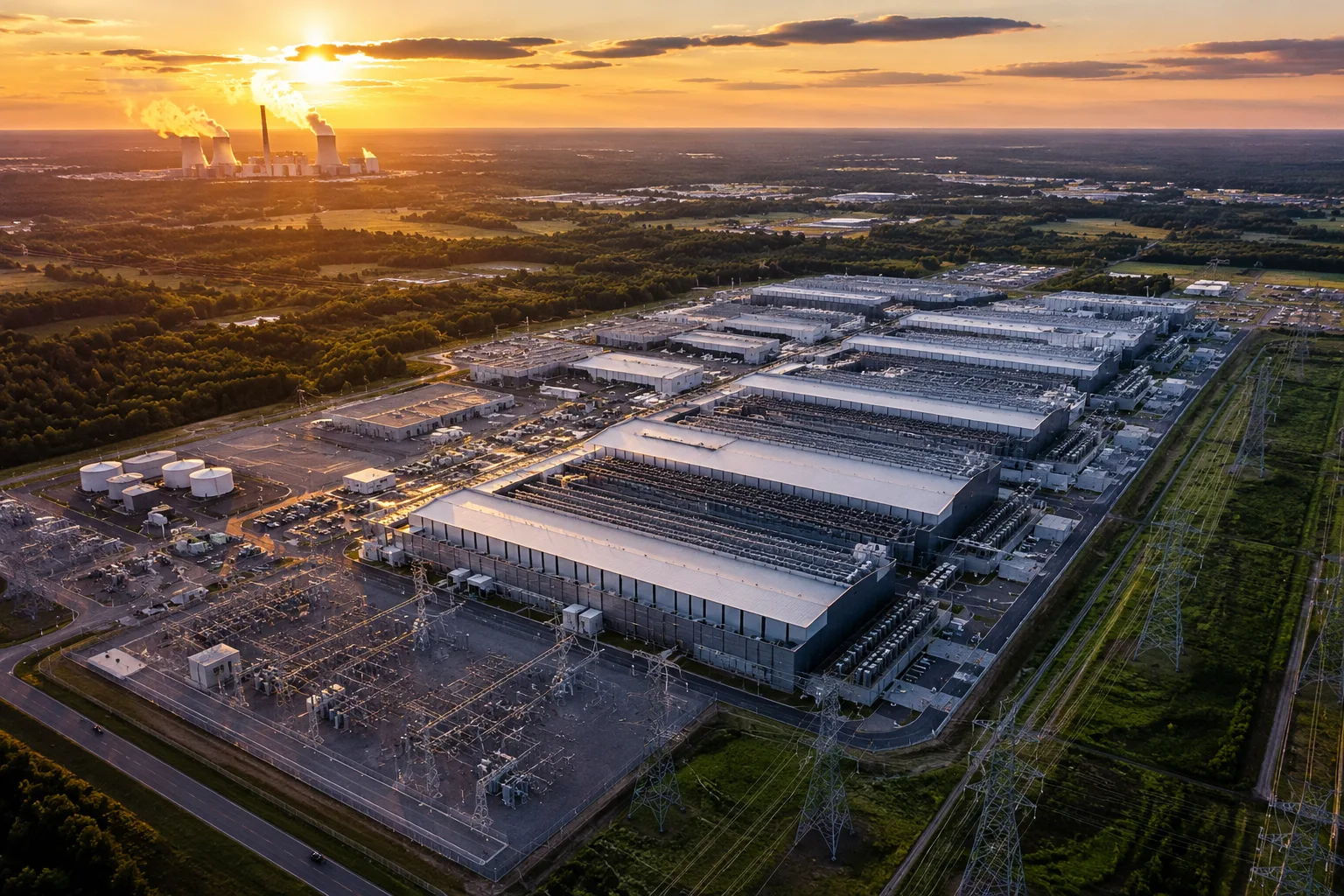
The shift occurs in a context of industrial expansion, economic electrification, and increased consumption associated with data centers and artificial intelligence, factors that are redefining investment priorities within the U.S. energy sector.
Four Wind Leases No Longer Part of the Plan
The decision involves the termination of four leases intended for offshore wind energy development located in strategic zones along the U.S. coast. The areas involved include New York Bight, the Central Coast of California, and the Gulf of Maine, regions that had been identified as key points for expanding offshore wind capacity in the country.
Although these projects held development rights, none had yet reached the commercial operation phase. The cancellation of the leases frees capital that will now be allocated to initiatives considered capable of delivering reliable electricity generation within more competitive timeframes.
The measure represents one of the most significant investment reallocation movements recently observed within the North American energy sector.
Natural Gas and Geothermal Capture New Energy Investment
The freed financial resources will be directed to natural gas-powered electricity generation projects in states such as Indiana, Wisconsin, Iowa, Kansas, and Missouri, as well as to geothermal initiatives located in the western United States.
The strategy seeks to strengthen the availability of firm capacity within the electrical grid, a need that has gained relevance as electricity demand from industrial and technology sectors increases. Both natural gas and geothermal energy offer more stable and predictable generation profiles, characteristics currently valued by developers and electrical system operators.
The combination of both technologies also responds to the need to diversify the energy matrix while maintaining the capacity to meet demand peaks and ensure operational continuity.
Electricity Demand Drives Changes in Priorities
Sustained growth in electricity consumption has become one of the main drivers of transformation within the U.S. energy market. The expansion of data centers, the advancement of artificial intelligence, the electrification of industrial processes, and the development of new manufacturing chains are increasing the need to incorporate additional capacity into the system.
In this scenario, investment decisions are beginning to orient toward projects capable of entering operation within shorter timeframes and offering continuous generation. The pursuit of energy reliability is increasingly influencing capital allocation, especially in regions where demand is growing faster than the incorporation of new generation capacity.
The evolution of these trends could influence future developments of both renewable energies and conventional technologies within the United States.
What Does This Decision Mean for Offshore Energy?
The reallocation of $765 million does not imply the abandonment of offshore wind energy in the United States, but it does reflect a revision of investment priorities in response to the immediate needs of the electrical system. Developers continue to evaluate opportunities in the offshore wind sector, although access to financing and execution speed have become increasingly determining factors.
For the energy market, the decision constitutes a signal that the availability of reliable energy is acquiring growing weight within corporate and governmental strategies. At the same time, it highlights how the expansion of data centers, artificial intelligence, and industrial activity are modifying the way financial resources are distributed among different generation technologies.
The evolution of this trend will be closely observed by developers, investors, and energy operators, as it could anticipate broader changes in the composition of future energy investments in North America.
Source: WorldOil