Table of Contents
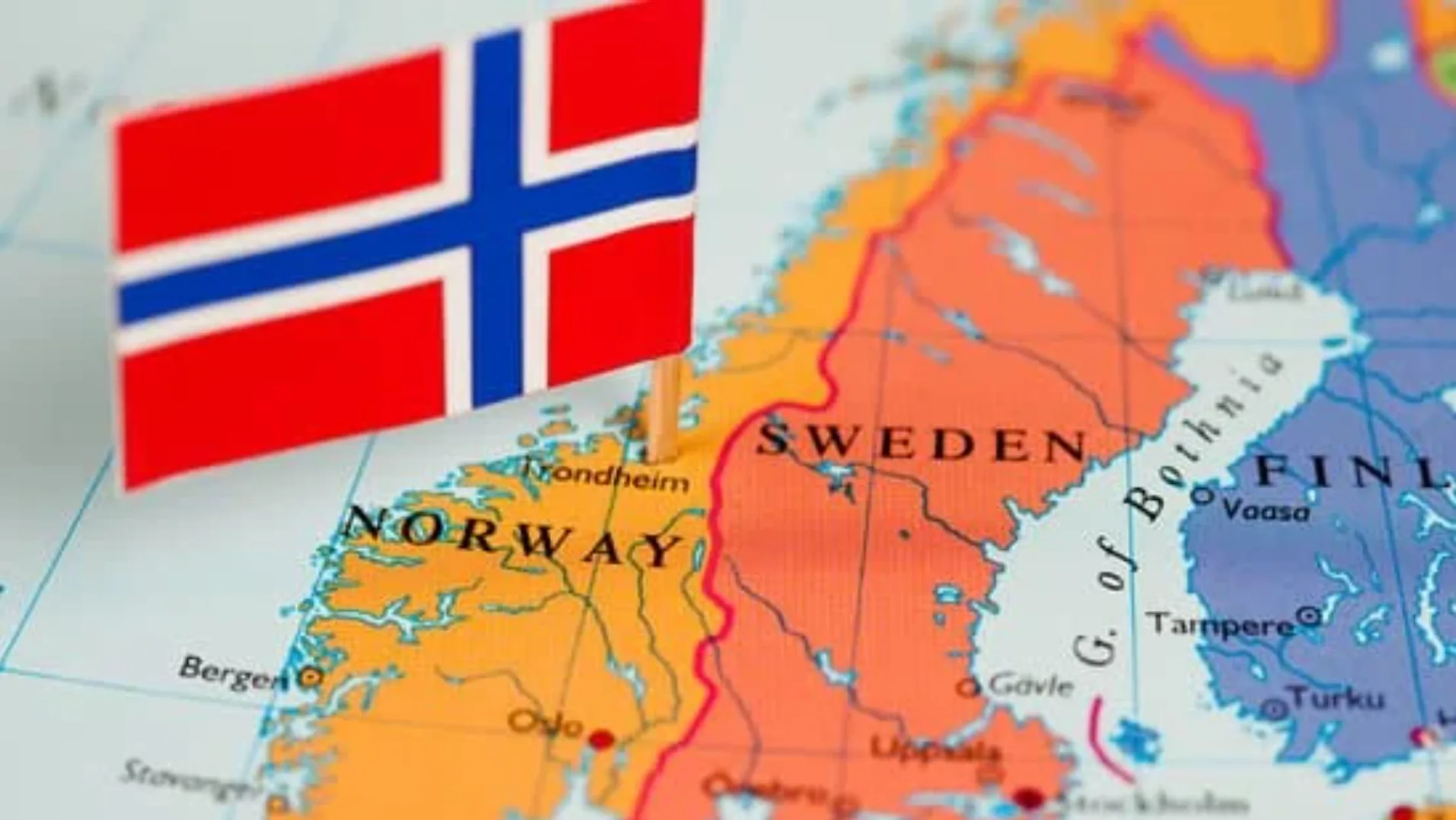
The Government of Norway, through the Ministry of Energy, has initiated the APA 2026 licensing round, a decision that expands the scope of action for companies in the sector. This new call adds 70 exploration blocks at strategic points on the Norwegian continental shelf. The affected areas include the North Sea, the Norwegian Sea, and the Barents Sea.
The New 70 Oil Blocks for Production
This measure seeks to consolidate Norway as the pillar of energy security for the entire European continent. Prime Minister Jonas Gahr Støre has been clear in linking this activity to job creation and common welfare. The predefined areas system provides vital predictability for companies to invest long-term. Operators have the opportunity to search for resources near existing infrastructure or in areas with known exploration history.
In the geographical distribution, the largest share of this expansion is concentrated in the Barents Sea with 38 new blocks. The North Sea will have 22 blocks and the Norwegian Sea another 10. This distribution responds to precise technical assessments conducted by the Norwegian Offshore Directorate. The primary objective is to optimize the use of existing transportation and production facilities. Interested companies must submit their applications before September 1 at 12:00 hours.
Likewise, the round absorbs the plans for what would have been the 26th licensing round. This simplifies the administrative process and offers a stable framework for the private sector. The Ministry anticipates that the new production licenses will be officially awarded in early 2027. Exploration will focus primarily on smaller deposits that prove profitable thanks to the logistical network deployed in the ocean.
The oil and gas industry is the most significant economic driver of the Nordic country. Continued exploration is the only path to maintain state revenues and exports. The APA system facilitates discoveries in a timely and efficient manner. The sector is expected to find complementary opportunities that ensure long-term supply. Health, safety, and environmental standards will remain the strictest in the world throughout the entire process.
Finally, the Government has evaluated all opinions gathered during the prior public consultation. Although debates about climate exist, Norway maintains its commitment to the Paris Agreement through very stringent emissions regulations. Coexistence with fisheries and marine aquaculture is an absolute priority in each auctioned block.
Source and photo: GOV.NO