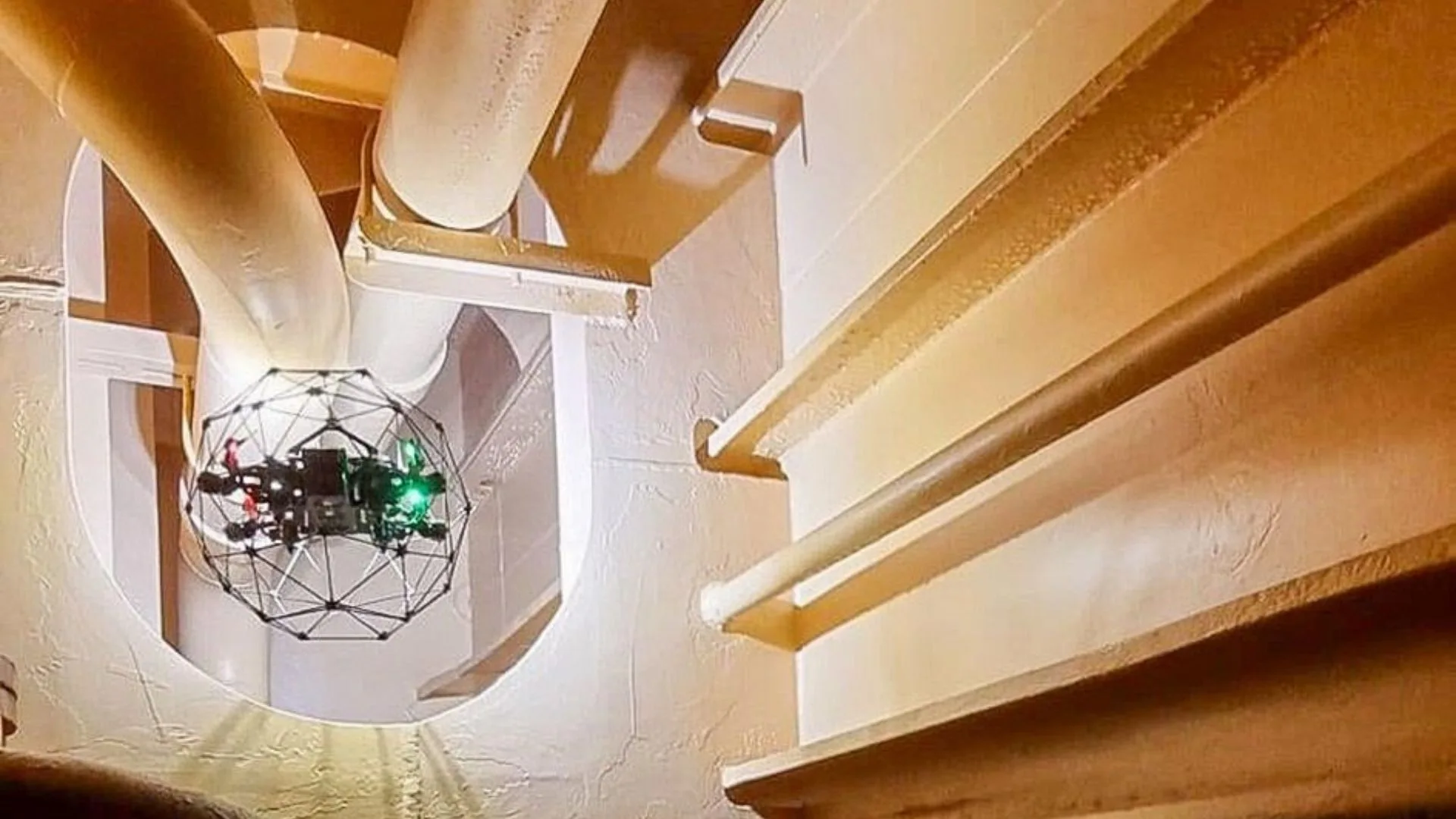
In line with the growing demand for safer and more efficient inspections, Ned Marine has announced the expansion of its services with aerial drone technologies and remotely operated vehicles (ROVs) for industrial inspection.
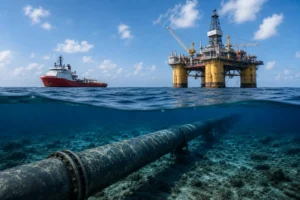
The new solution allows for assessments to be carried out both on the surface and underwater, reaching depths of up to 300 meters and accessing confined spaces without direct human intervention.
Faster and safer drone and ROV inspections
In this context, drone and ROV inspections represent a significant shift from traditional methods. Tasks that previously required scaffolding or underwater work can now be completed in a matter of hours.
This technology also significantly reduces asset downtime, a critical factor for shipowners and offshore operators. The ability to inspect structures without interrupting operations improves production continuity.
Furthermore, the collected data is transmitted in real time, allowing maintenance decisions to be made immediately from any location.
On the other hand, one of the main benefits of remote inspection is the reduction of risk to personnel. Operations in ballast tanks, hulls, or underwater structures often involve hazardous conditions.
With the use of industrial drones and underwater ROVs, these tasks are performed without direct exposure, improving safety standards in maritime and offshore projects.
Integration of NDT with remote technologies
In terms of economic efficiency, the use of ROVs eliminates the need for diving operations in many cases. This translates into a significant reduction in costs and time associated with underwater inspection logistics.
Similarly, the removal of temporary structures such as scaffolding helps to optimize resources during inspections.
From a technical point of view, the incorporation of drones and ROVs into non-destructive testing (NDT) expands the diagnostic capabilities of industrial assets.
According to Leo Zwagemaker, the company’s commercial manager, this integration allows customers to improve decision-making and optimize their maintenance strategies.
Source and photo: Ned Marine