Malaysian maritime authorities said a network of ships linked to Iran is exploiting jurisdictional gaps in the South China Sea to conduct clandestine transfers of sanctioned oil near its territorial waters.
Malaysia’s Maritime Law Enforcement Agency (MMEA) responded to accusations from the US-based group United Against Nuclear Iran (UANI), which claims that the maritime region near the state of Johor has become one of the main transshipment hubs for Iranian crude oil destined for China.
The shadow fleet gains presence near Malaysia
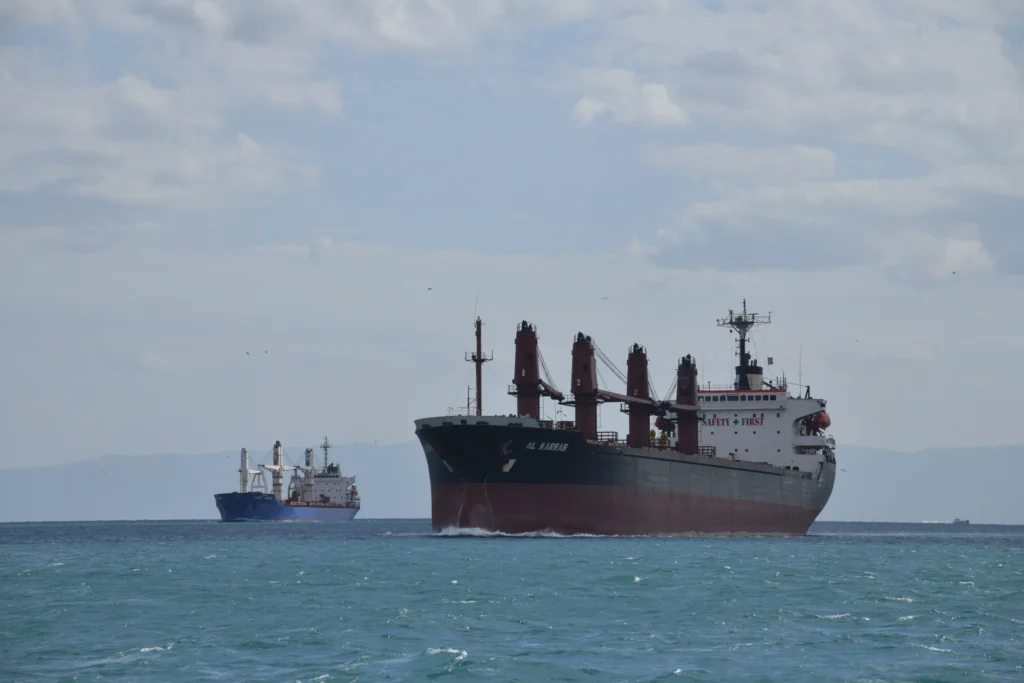
According to UANI and maritime sector observers, dozens of tankers associated with Iran’s so-called “shadow fleet” operate in the area known as Eastern Outer Port Limits (EOPL), located about 70 kilometers from Johor.
These tankers typically use disabled tracking systems, altered identities, and opaque corporate structures to conceal the origin of the crude oil they transport. The primary objective would be to maintain the flow of Iranian exports despite the sanctions imposed by the United States.
The location is strategic because the EOPL is situated on one of the world’s busiest shipping lanes and at a crucial midpoint between Iran and China, the country that absorbs most of Iran’s exported oil.
Malaysia admits operational limitations
The Director General of the MMEA, Mohamad Rosli Abdullah, explained that many of these ship-to-ship transfers take place outside Malaysian territorial waters and beyond the reach of conventional surveillance systems.
Furthermore, he indicated that the operations are usually carried out in remote areas near international maritime borders, which complicates the ability of local authorities to intervene directly.
Rosli also stated that UANI’s accusations of inaction do not reflect the operational reality of maritime surveillance in the region. He further noted that the lack of real-time intelligence sharing among international agencies hinders a more effective response.
Iranian oil continues to arrive in China
The clandestine transfer of Iranian crude oil at sea has been part of the routes used to circumvent international sanctions for years. This system allows the oil to change vessels before reaching final buyers, reducing the traceability of the cargo’s origin.
According to UANI, at least 42 Iranian oil transfer operations have been detected in the EOPL area since the end of February using satellite imagery.
Charlie Brown, senior advisor to the US group, said that Malaysia’s lack of stricter measures is facilitating the business model of maritime operators linked to Iran and China.
Environmental risks and regional concerns
Although ship-to-ship transfers are not illegal under certain conditions, Malaysian authorities discourage unauthorized operations outside designated areas due to the high environmental risk.
The use of old ships and operations carried out far from ports increases the possibility of oil spills and maritime accidents that are difficult to contain.
Meanwhile, Indonesia announced it will review the legality of the activities detected near the Riau Islands, located next to the area where these offshore transfers are taking place.
Indonesia’s Foreign Ministry assured that it will not allow its maritime waters to be used for illicit activities related to the international oil trade.
Seizures and maritime surveillance
The MMEA also reported that earlier this year two vessels involved in the transfer of approximately 2 million barrels of crude oil within Malaysian territorial waters were seized.
One of the ships lacked nationality and the other operated under the Cameroonian flag; both were later released on bail after facing charges related to unauthorized oil transfers.
Despite this, UANI maintains that one of those tankers recently participated again in operations to transfer alleged Iranian oil near Johor.
Malaysian authorities insisted they will continue to strengthen maritime surveillance and regional cooperation to protect the sovereignty and security of their waters.
Source: Apnews
Photo: Shutterstock