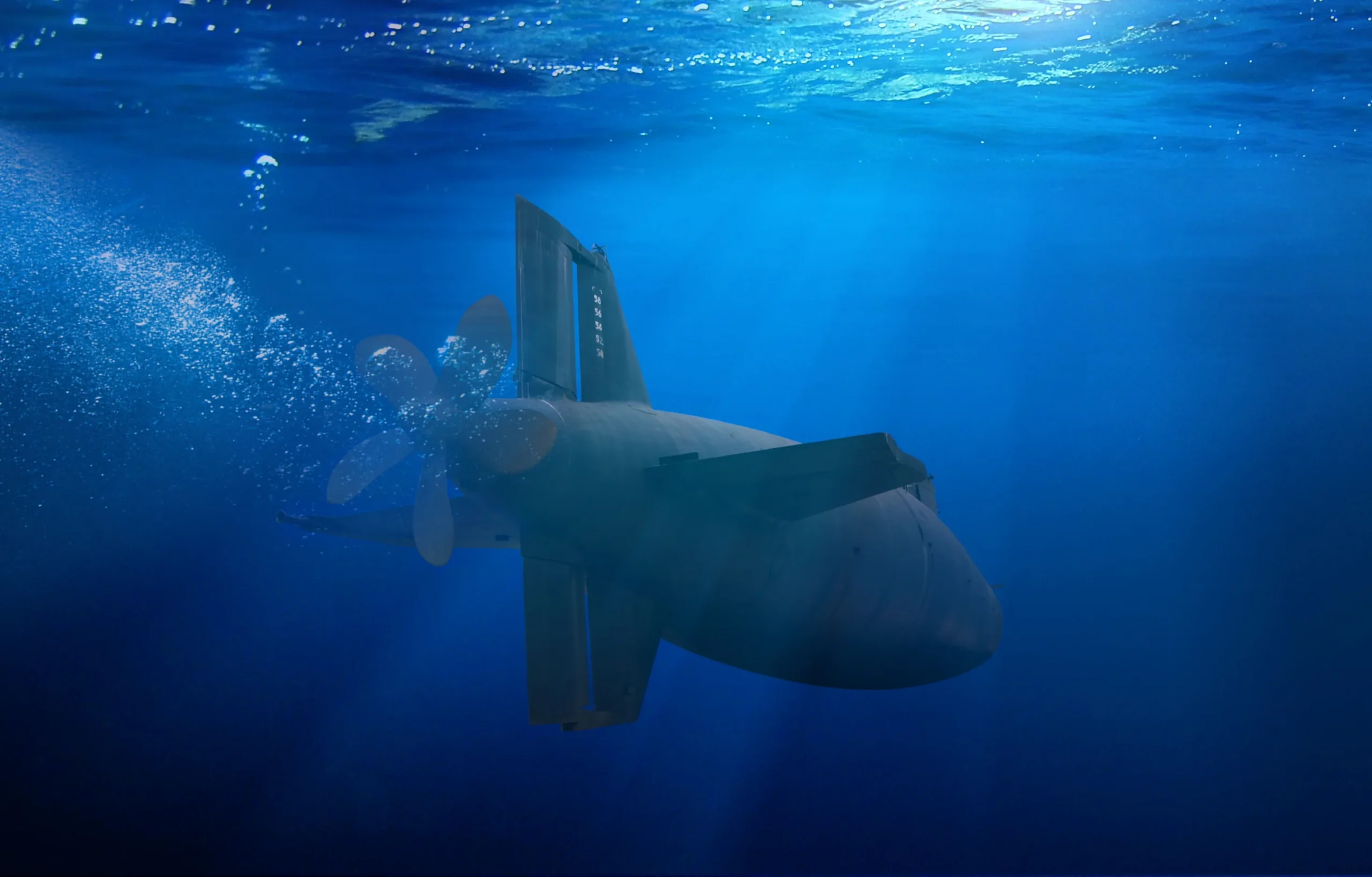
Kraken Robotics announced the closing of the acquisition of Covelya Group Limited for approximately 615 million Canadian dollars, a transaction that expands its international presence and strengthens its offering of solutions for underwater intelligence, defense and offshore energy.
Thus, the company incorporates the British group into its corporate structure with the aim of expanding its technological capacity, strengthening its presence in strategic markets and accelerating its growth through a broader portfolio of underwater solutions.
The acquisition expands Kraken’s technological capabilities
The integration brings together specialized technologies in sonar, navigation, underwater positioning, communications, data analysis, and autonomous systems. As a result, Kraken incorporates the capabilities of companies such as Sonardyne, EIVA, Forcys, Voyis, and Chelsea Technologies into a single technology group.
Greg Reid, CEO of Kraken Robotics, noted that the acquisition will allow them to offer integrated underwater solutions for customers operating in the defense, maritime surveillance, and commercial sectors.
He also explained that the combination of engineering teams will facilitate the development of new technologies adapted to the requirements of mission-critical underwater operations.
Underwater defense promotes Kraken’s growth
The company believes that the anticipated increase in defense budgets in various countries will boost demand for autonomous underwater systems in the coming years.
In this context, the acquisition strengthens business relationships with government agencies and clients in the maritime sector, while expanding the potential market for Kraken’s technological solutions.
Likewise, the company expects that the integration will increase the geographical diversification of its operations and strengthen its ability to serve international projects.
Kraken updates its forecasts for 2026
Following the closing of the transaction, Kraken updated its financial forecasts to incorporate the contribution of Covelya Group from July 2, 2026.
Since the release of their first-quarter results, both companies have secured new orders worth approximately $30 million, bringing the total contracts announced for 2026 to nearly $292 million between the two organizations.
The company also maintains its expectation of generating cost synergies of close to $10 million during the first 24 months after integration.
Similarly, it estimates that the operation will contribute positively to earnings per share between 1% and 5% during 2027 once these synergies are realized.
New organizational structure
As part of the integration process, Kraken implemented a new corporate structure differentiating the functions of the business group and the operations of Kraken Robotics.
Bernard Mills was promoted to the position of president of Kraken, while Greg Reid will continue as chief executive officer.
The organization also added Simon Partridge to the management team as executive vice president of Technology, Graham Brown as executive vice president of Products, Gary Moynehan as executive vice president of Business Performance, and David Shea as executive vice president of Strategy and Growth.
According to the company, this structure will allow for more efficient coordination of the integration of personnel, operations, systems, sales, and financial processes.
Next steps after the acquisition
The transaction was financed through cash, common stock, and a new C$125 million credit facility. In addition, Kraken expanded its revolving credit facility and confirmed it maintains sufficient financial flexibility to support future growth opportunities.
Over the next few months, the company will make progress in integrating Covelya’s operations and expects to publish the first financial results that will include the contribution of the acquired group at the end of November 2026.
At the same time, Kraken announced that it will begin the process of requesting a listing of its shares on the Toronto Stock Exchange (TSX), an initiative it hopes to complete between the end of 2026 and the beginning of 2027.
Source: Krakenrobotics
Photo: Shutterstock