Table of Contents
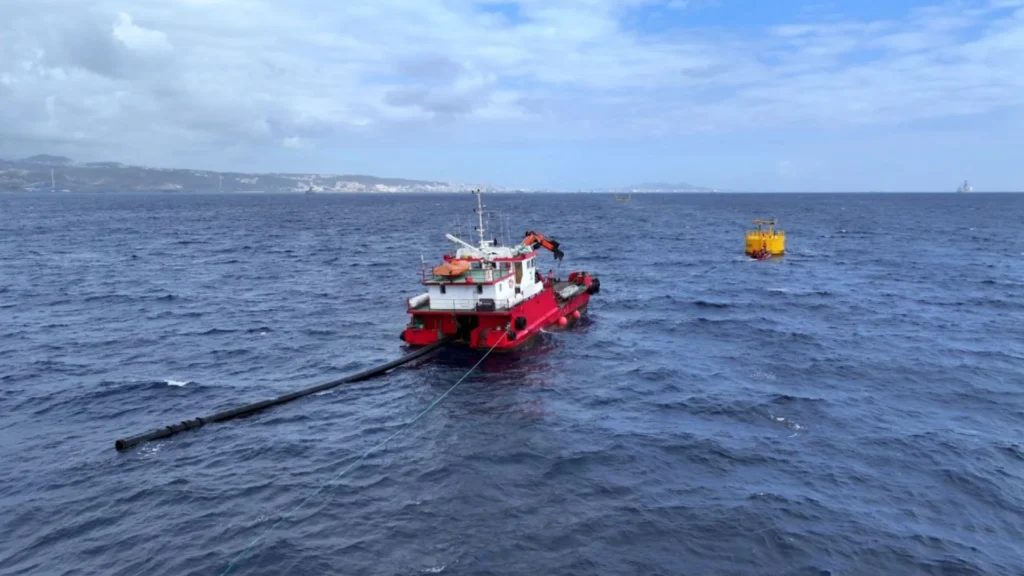
The company Global OTEC has completed the installation of its floating platform designed to generate electricity from the water temperature gradient in the Canary Islands.
This system harnesses the difference between surface heat and deep cold to drive a turbine continuously. By placing the structure offshore, the length of the pipelines is reduced by 80%, improving the project’s profitability.
The floating thermal energy platform
The logistical impact of this solution addresses the critical problem of island communities that depend on fuels shipped in by boat. Estimates indicate that there is around 25 GW of diesel-based capacity that could be replaced using the ocean thermal gradient.
Unlike solar panels or wind turbines, this technology does not require large tracts of land and does not depend on sunshine or wind. The stability of the ocean resource enables continuous electricity generation for the most remote areas.
Likewise, the €3.5 million financial backing from Horizon Europe validates the technical robustness of the proposal. The organization’s next goal is to move a power module to Hawaii to continue scalability testing.
It is evident that simplifying the engineering has made it possible to overcome the obstacles that halted these developments over recent decades. Lower operating costs now place this energy source in a competitive position against current methods.
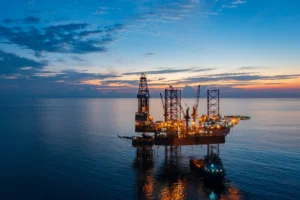
Moreover, major energy-sector players such as Shell, bp and Chevron are closely monitoring these results through the DeepStar consortium. These corporations are seeking renewable electricity sources to power their operations on oil and gas platforms in ultra-deep waters.
The integration of marine thermal systems into complex industrial processes demonstrates that the technology has applications that go far beyond household consumption.
Source and photo: Global OTEC