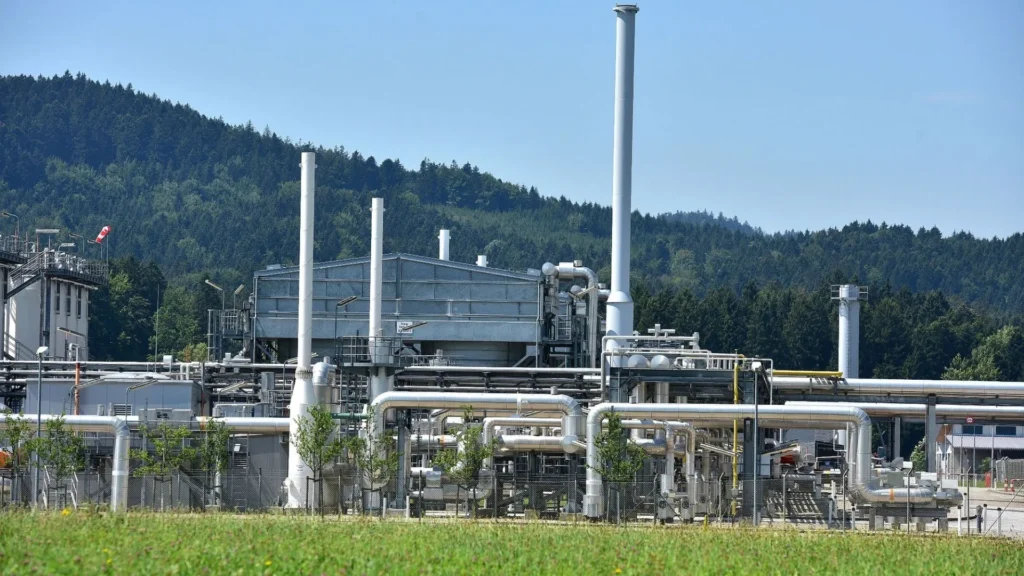
Germany has ordered the state-owned company SEFE to increase its purchases of natural gas to bolster reserves ahead of the heating season. The move comes as storage levels remain below normal for this time of year. The decision aims to increase gas availability during the peak consumption months and reduce potential risks associated with high demand. German facilities have ample storage capacity, although current levels are below the average recorded in previous seasons.
Germany strengthens its energy security with more gas reserves
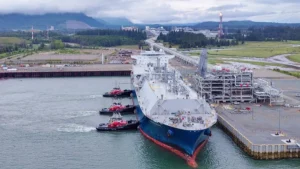
SEFE, the energy company responsible for ensuring part of Germany’s supply, has been instructed to acquire and store larger volumes of natural gas. This operation is part of the measures implemented to strengthen the country’s energy security in the coming months. Germany adjusted its supply strategy after the reduction in Russian gas supplies via pipeline; since then, the European country has increased its use of liquefied natural gas (LNG) having developed new import terminals and established agreements with international suppliers to diversify its sources of supply, German energy policy seeks to reduce exposure to external disruptions through a combination of strategic storage, import infrastructure and long-term contracts with different producing regions.
VNG expands the diversification of German energy supply
VNG, one of Germany’s main gas importers, believes that the current market structure offers greater responsiveness to high-demand scenarios during the winter. The company maintains supply agreements with Norway, Azerbaijan, and Algeria, and is expanding its participation in the international gas market through contracts with external producers. These agreements include commitments with Sonatrach to increase available volumes in the coming years. This diversification allows Germany to reduce its dependence on a single source of supply and strengthen the flexibility of its energy system in the face of potential fluctuations in international markets.
European gas storage faces new challenges
Data from Gas Infrastructure Europe shows that gas reserves in the European Union storage levels are lower than those recorded during other winter preparation periods. Germany, one of Europe’s largest energy markets, has one of the continent’s largest gas storage capacities. However, the current fill level has raised concerns among operators and authorities due to the possibility of increased demand during the colder months.
Weather patterns will be a key factor in assessing the pressure on reserves; a winter with lower temperatures could increase residential and industrial consumption, while moderate conditions would allow for a gradual recovery of inventories. The German strategy combines increased gas purchases, new import routes, and a broader portfolio of suppliers to maintain energy supply stability and reduce risks during the heating season.
Source: Oil Price
Photo: Shutterstock