The onset of the conflict in Iran has reshaped the global energy landscape, generating immediate pressure on solar demand, as well as gas, oil, and electricity prices in Europe. This environment has led households to rethink their energy consumption strategies.
Faced with market volatility, European consumers are reacting quickly, prioritizing solutions that reduce their exposure to external geopolitical factors. Residential solar demand is emerging as a tangible response.
This phenomenon is neither isolated nor temporary. It represents a clear signal of how international events directly impact domestic decisions, transforming energy demand from the base of the system.
Solar sales skyrocket in European markets
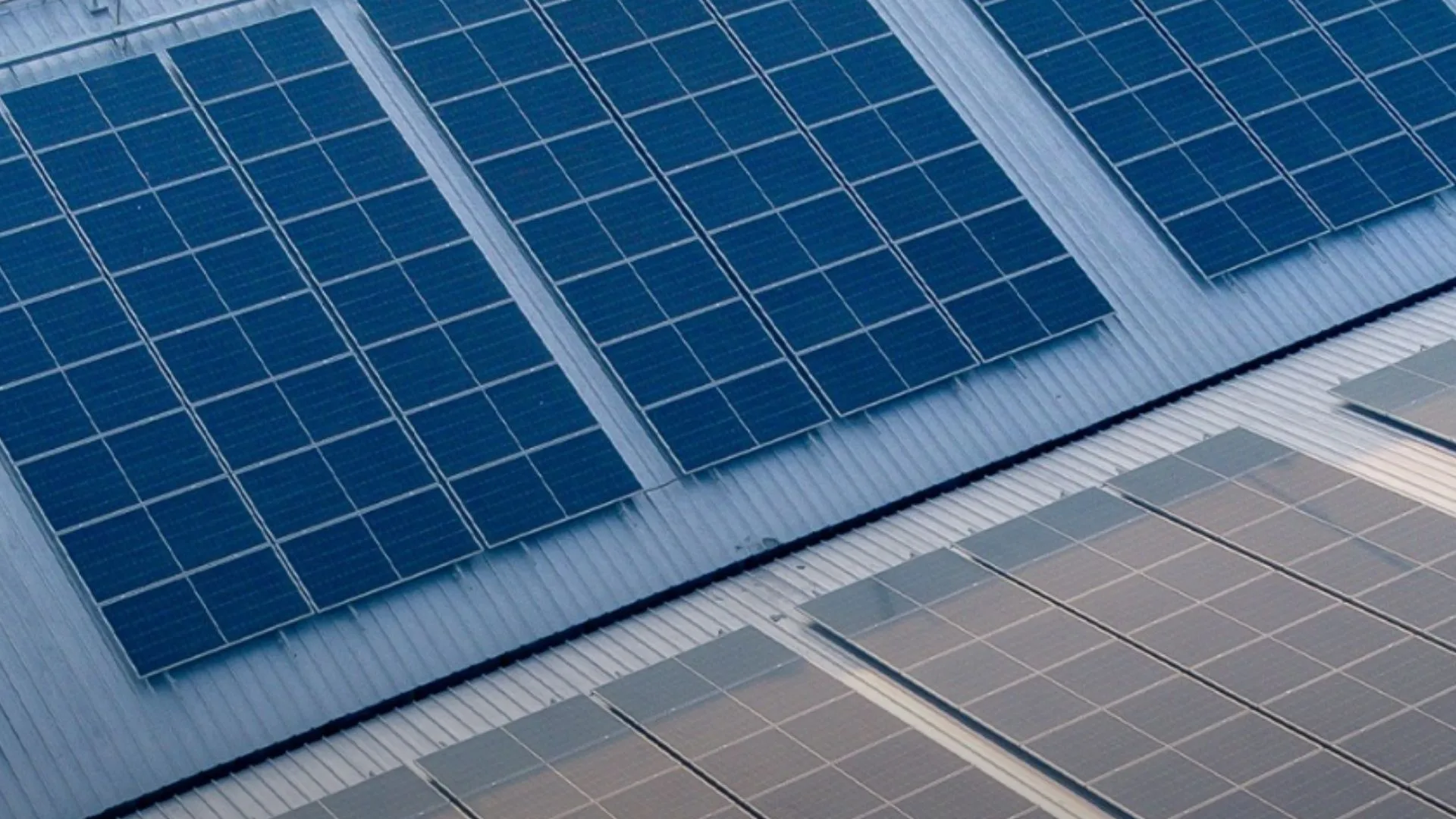
Companies in the sector report notable increases in rooftop solar demand since late February. In countries such as Germany, the United Kingdom, and the Netherlands, orders have doubled or even tripled.
German wholesaler Solarhandel24 recorded sales of nearly 70 million euros in March, tripling year-on-year figures. The company anticipates sustained growth and is preparing a significant expansion of its workforce.
For its part, Enpal reported increases of over 30% in monthly orders, reflecting a shift in consumer behavior. This surge highlights an accelerated transition toward decentralized energy solutions.
Energy autonomy shapes consumer decisions
Homeowners are not only looking to reduce their electricity bills but also to gain independence from complicated energy markets. This trend reinforces the concept of energy resilience in Europe.
An increasing number of users are opting for integrated systems that combine solar panels, batteries, and electric vehicle chargers. This approach allows for storing surplus energy and optimizing daily energy consumption.
Demand for storage technologies has grown between 40% and 50%, according to industry associations. This increase confirms that the change is not limited to generation, but also to efficient energy management.
Solar demand: oversupply and global pressure
Despite the increase in European demand, Chinese manufacturers warn that global overcapacity remains a structural challenge. China maintains a production capacity that is double the estimated global demand.
This imbalance limits the immediate impact of the European surge on the global market, although it does not reduce its strategic relevance. Europe continues to rely heavily on technological imports.
In parallel, European companies such as SMA Solar have seen stock market increases of nearly 50%, reflecting positive market expectations. However, the industrial challenge persists in terms of competitiveness and technological sovereignty.
Solar energy advances as a structural European response
Beyond the temporary boost generated by the conflict, analysts agree that the trend responds to a structural shift in the European energy model. The crisis acts as an accelerator, not as the origin.
The slowdown observed in 2025 for new solar installations appears to be reversing, driven by regulatory and geopolitical factors. The need to reduce energy dependency has become a priority.
In this context, residential solar energy is consolidating as a cornerstone. Europe is not only seeking to reduce costs but to redefine its energy security in an increasingly uncertain global environment.
Source: https://www.reuters.com/
Photo: Shutterstock