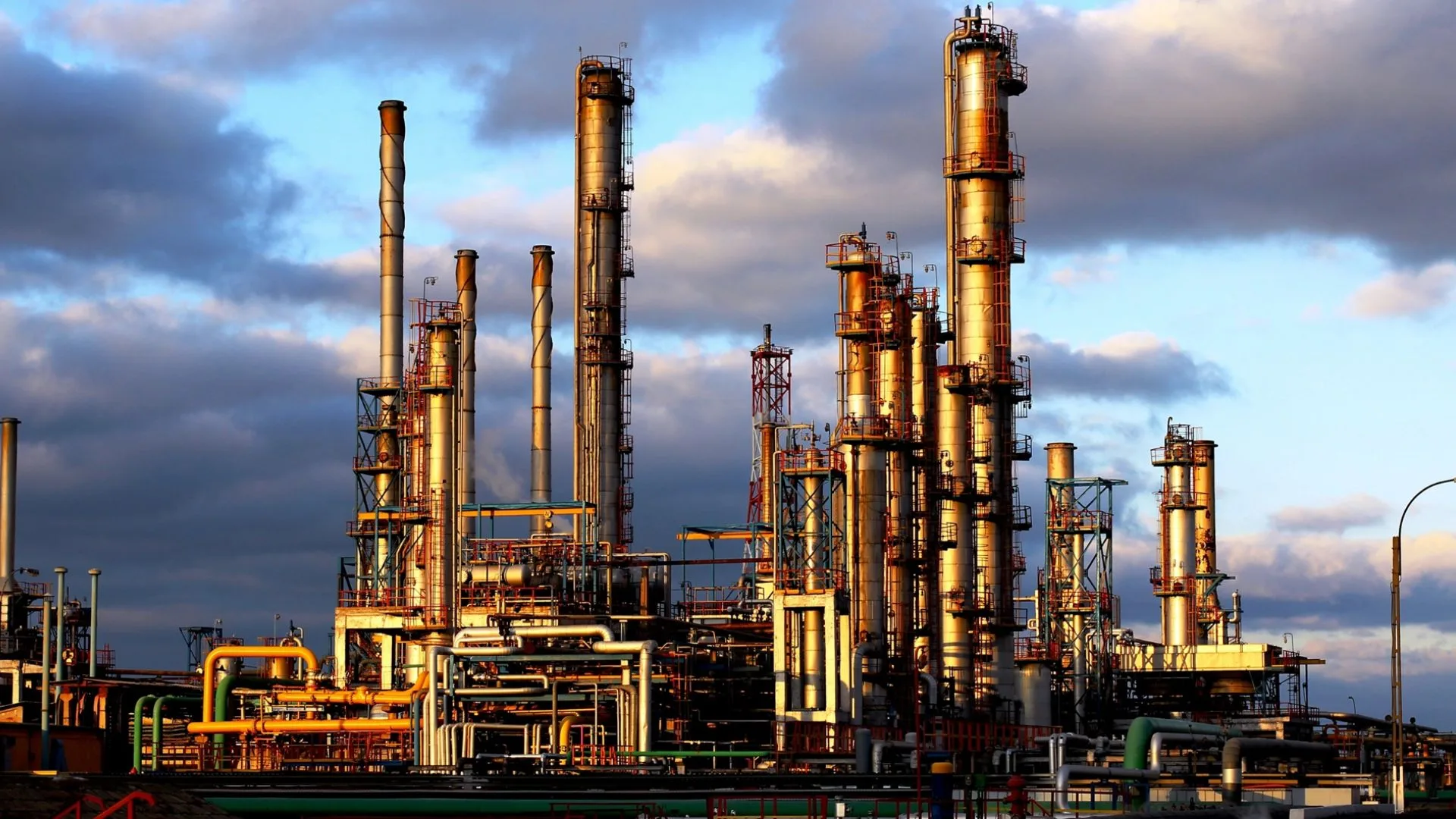
The company Rompetrol Rafinare completed a major technological upgrade at its Petromidia plant, located in Navodari. The oil refinery, considered Romania’s largest processing facility, has an annual capacity of approximately five million tons.
Operational Modernization at the Petromidia Plant
Due to the complexity of its processes, characterized by a Nelson Complexity Index of 9.32, the plant historically generated a critical volume of notifications. This data accumulation hindered timely identification of operational incidents and demanded excessive effort from operators responsible for supervision.
Over the years, safety alarms exceeded the metrics recommended by global best practices. This situation exposed personnel to an excess of notifications, especially during unexpected process deviations. Likewise, the presence of intermittent alerts generated redundant noise, limiting immediate response capability to situations demanding urgent corrective actions.
Implementation of the DeltaV AgileOps Platform
To address this technical issue, the Rominserv engineering division coordinated efforts with Emerson. The central strategy consisted of deploying DeltaV AgileOps software, a tool designed to integrate directly with the distributed control system operating the refinery. Through this resource, the engineering team achieved continuous monitoring of key variables such as average frequencies, activation peaks, repetitive event sequences, and deviations from recommended operating ranges.
The DeltaV AgileOps platform enabled structuring performance dashboards and utilizing historical trend analysis. With these tools, Petromidia personnel accurately evaluated notification behavior under specific scenarios of regular operation, startup, and unexpected shutdowns. Likewise, plant data collection facilitated scientific validation of proposed adjustments in priorities, limits, and false alarm suppression strategies.
After consolidating the technological implementation, reports recorded a drastic decrease in alert generation, dropping from a monthly average exceeding two million to fewer than 50,000 notifications under normal operating conditions. This achievement places Petromidia’s indicators within the limits suggested by EEMUA 191 guideline of the Engineering Equipment and Materials Users Association. This international standard prescribes that control room technicians should not manage more than one alarm every ten minutes under steady-state operating conditions.
According to Nilca George, process engineering director at Rompetrol Rafinare, the continuous analysis provided by the tool reduced alarm fatigue, improved operator concentration, and increased the refinery’s overall stability. Additionally, automated collection extended event history retention from four days to nearly two months, which enhances analysis of recurring problems and expedites preventive maintenance decisions.
For his part, Guido Wink, Emerson executive in the European region, emphasized that modern automation technology requires providing contextualized visibility to ensure agile response to disturbances. Structured visibility enables personnel to focus exclusively on events that affect safety and business continuity.
Source and photo: Emerson