In response to the rapid growth of artificial intelligence, China has begun deploying an underwater data center directly connected to an offshore wind farm, with the aim of reducing energy consumption and improving operational efficiency.
Currently, the development of artificial intelligence models demands large volumes of processing power and, consequently, intensive electricity consumption. This scenario has led to a search for more efficient alternatives for operating data centers.
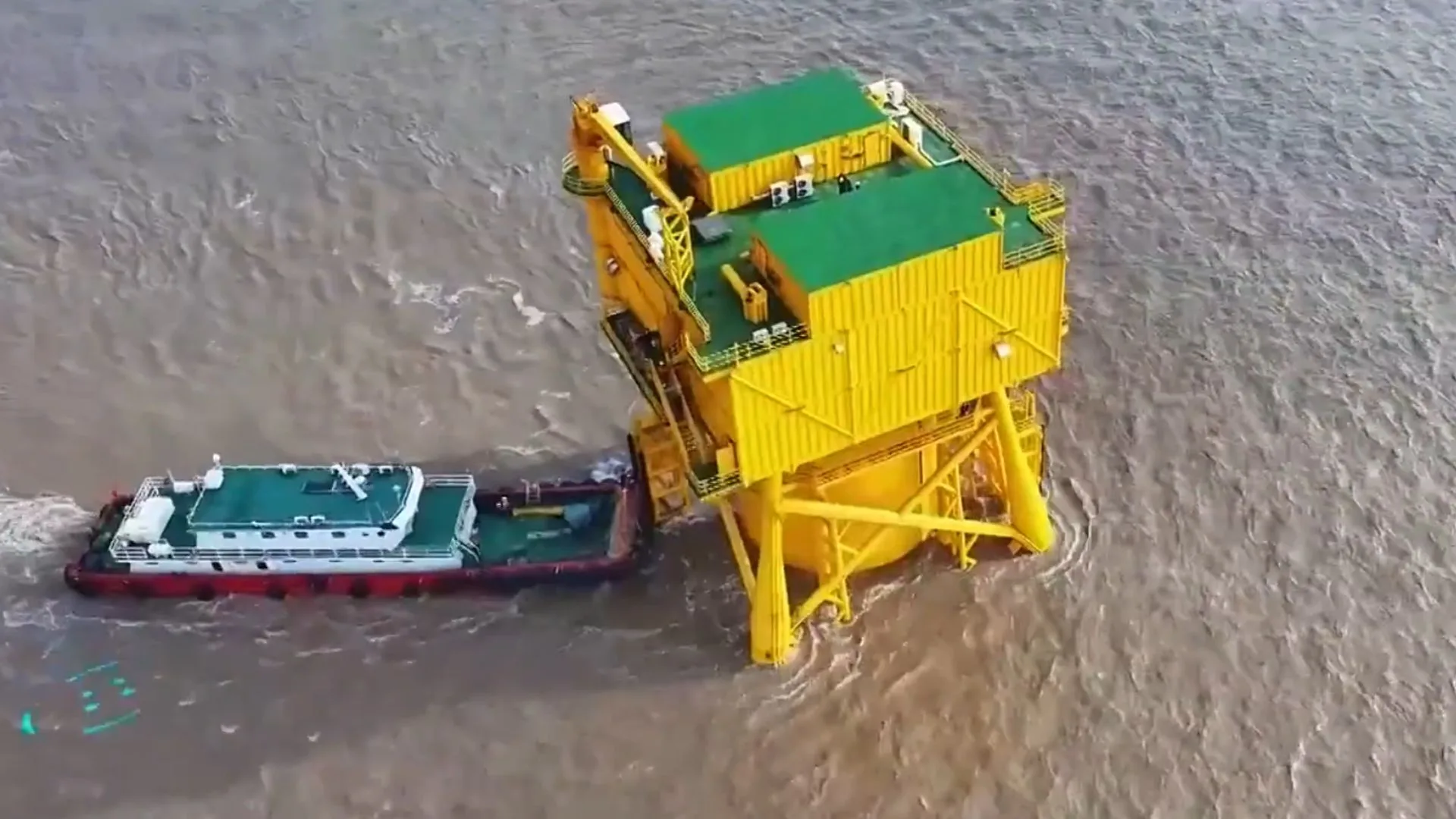
In this context, the Asian country has launched a facility off the Lingang area in Shanghai, considered one of the first commercial infrastructures of its kind. According to project data, the facility is located about 10 meters below sea level and operates using energy from a nearby wind farm.
A naturally cooled data center
Unlike traditional data centers, which allocate up to 40% of their electricity consumption to cooling systems, this infrastructure takes advantage of the temperature of seawater to cool the servers.
Likewise, the average ambient temperature, close to 15°C, significantly reduces the energy demand associated with cooling. This approach improves key indicators such as PUE, which in this type of facility can reach highly efficient levels.
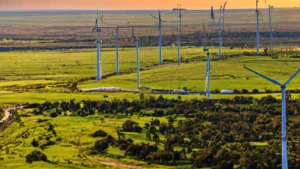
The data center is directly connected to an offshore wind farm with dozens of turbines, ensuring that most of the electricity used comes from renewable sources.
Thanks to this integration, it is estimated that the facility will be able to save tens of millions of kilowatt-hours per year, in addition to reducing carbon emissions linked to the digital infrastructure.
Compact infrastructure and less impact on land
Another important aspect is the reduction in land use. Underwater data centers require a fraction of the space occupied by land-based facilities, which is especially attractive in urban or industrial areas with land limitations.
Furthermore, the modular design allows capacity to be scaled from pilot phases of a few megawatts to larger projects, adapting to the growing demand for digital services.
Following the commissioning of this facility, the developers plan to expand the use of underwater data centers to other regions. This strategy aims to consolidate a more efficient digital infrastructure aligned with sustainability goals.
In parallel, these systems are designed to support applications such as data processing, AI model training, and cloud services, reinforcing their role within the global technology ecosystem.
Source and photo: CGTN