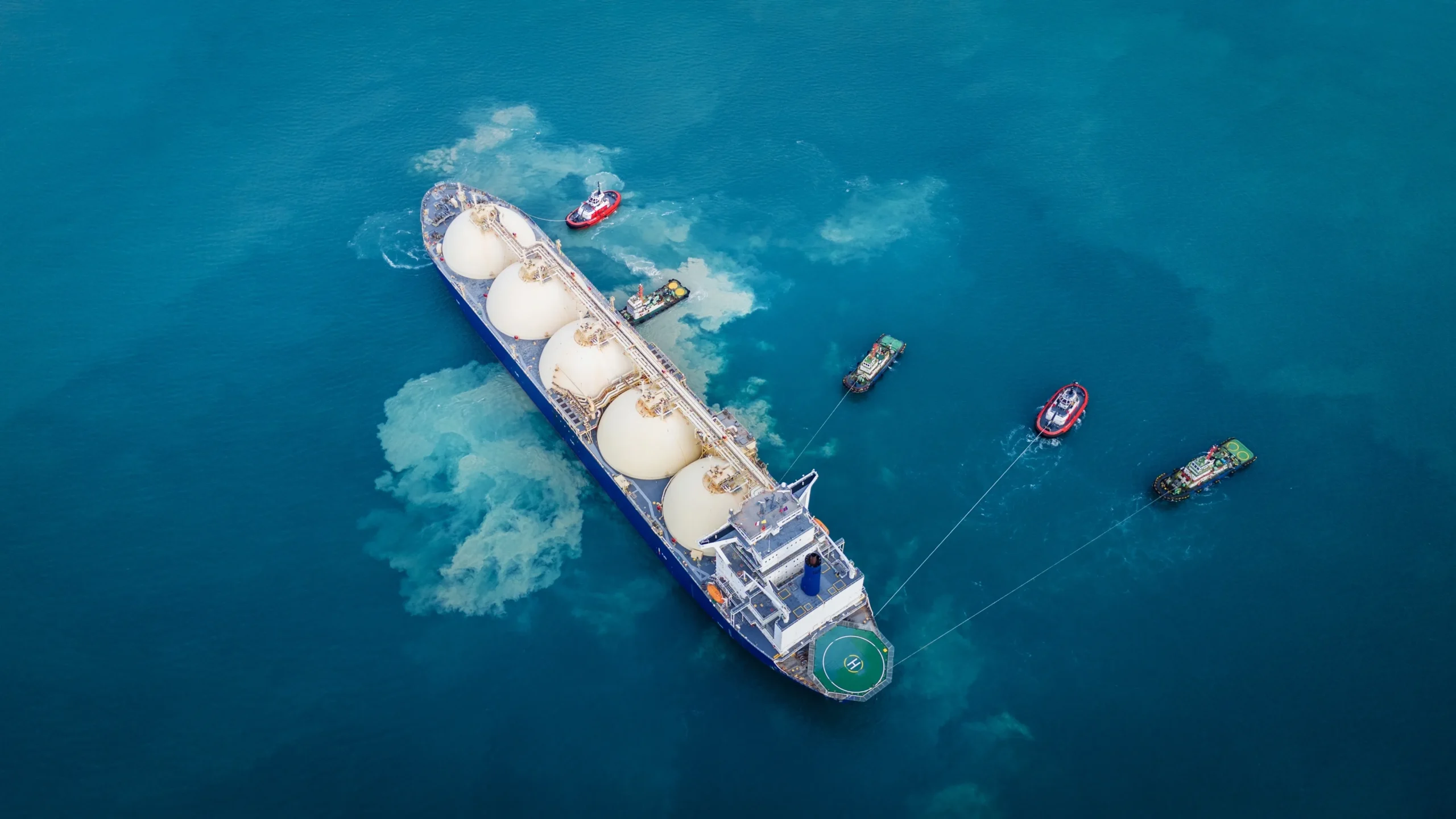
As Europe accelerates its withdrawal from Russian gas, Moscow faces the challenge of keeping its LNG exports to Asia profitable. Increased maritime distances, logistical costs, and restrictions stemming from Western sanctions are reducing revenues fot the russian energy sector.
According to analysts and industry sources consulted by Reuters, redirecting liquefied natural gas from Europe to Asian buyers could double transport costs for Russia. The situation particularly affects strategic projects such as Yamal LNG, located in the Russian Arctic.
Europe accelerates the withdrawal of Russian LNG.
The European Union is currently moving forward with a plan to completely eliminate imports of Russian LNG starting in 2027. The measure is part of the energy sanctions imposed on Moscow following the start of the war in Ukraine.
For years, Europe was one of the main destinations for Russian gas due to geographical proximity and lower logistical costs; however, the tightening of trade restrictions forced Russia to look for new buyers in Asia.
In early March, President Vladimir Putin said that Russia could completely suspend gas supplies to Europe and focus on long-term energy deals with Asian countries, but this change in strategy faces trade and financial obstacles.
LNG exports to Asia raise costs
One of the biggest problems for Russia is distance. A shipment of LNG from Yamal LNG takes between 17 and 20 days to reach Northwest Europe, whereas routes to Asia can take much longer extend up to 80 daysdepending on the route used.
Deliveries to India via the Suez Canal take between 50 and 60 days, and if the shipment rounds Africa via the Cape of Good Hope, the journey can take between 70 and 80 days. This increase significantly reduces the profit margins on Russian LNG exports.
According to Alexei Belogoryev, research director at the Moscow Institute of Energy and Finance, transporting Russian LNG to Europe costs between $1 and $1.5 per mmBtu. In contrast, shipments to India can reach up to $5 per mmBtu.
India complicates Russia’s energy plans
In addition, Russia is facing difficulties in securing stable buyers in Asia. Industry sources indicated that India rejected some shipments from Russian plants sanctioned by the United States.
The problem would be related to:
- High transportation costs
- Risks associated with sanctions
- Financial and insurance difficulties
- Greater operational complexity
Although India has increased its energy purchases from Russia since 2022, LNG operations present greater complications than oil due to the maritime logistics and the specialized infrastructure required.
The Northern Sea Route remains expensive
Russia considers the Route of strategic North Sea to expand its energy exports to Asia. This route crosses the Russian Arctic and allows for reduced distances during certain seasons; however, analysts maintain that it remains one of the most expensive routes to supply South Asia.
The use of Arc7 icebreakers significantly increases operating costs and, according to estimates from the Central Research Institute of the Maritime Fleet in Moscow, transporting LNG from Yamal to the Indian port of Kochi via this route exceeds $187 per ton.
Even using transshipments on the Kamchatka Peninsula, costs remain high. Furthermore, Russia faces a shortage of ice-class cargo ships, a factor that limits the expansion of its Arctic strategy.
The Suez Canal remains the most viable option
Despite existing security risks in the Middle East, the Suez Canal remains the most economical alternative for Russian LNG destined for India and other Asian markets. Industry experts believe this route offers better commercial conditions for year-round, regular deliveries.
However, growing geopolitical tension and the costs associated with marine insurance continue to create uncertainty for Russian energy exports.
Russia faces a new energy scenario
The progressive loss of the European market is forcing Russia to redesign its entire LNG export logistics chain. Although Asia represents a strategic alternative, operating costs and maritime limitations are impacting the profitability of the business.
The new scenario reflects how Western sanctions are altering the global balance of energy trade and putting pressure on the competitiveness of Russian liquefied natural gas exports.
Source and photo: Reuters