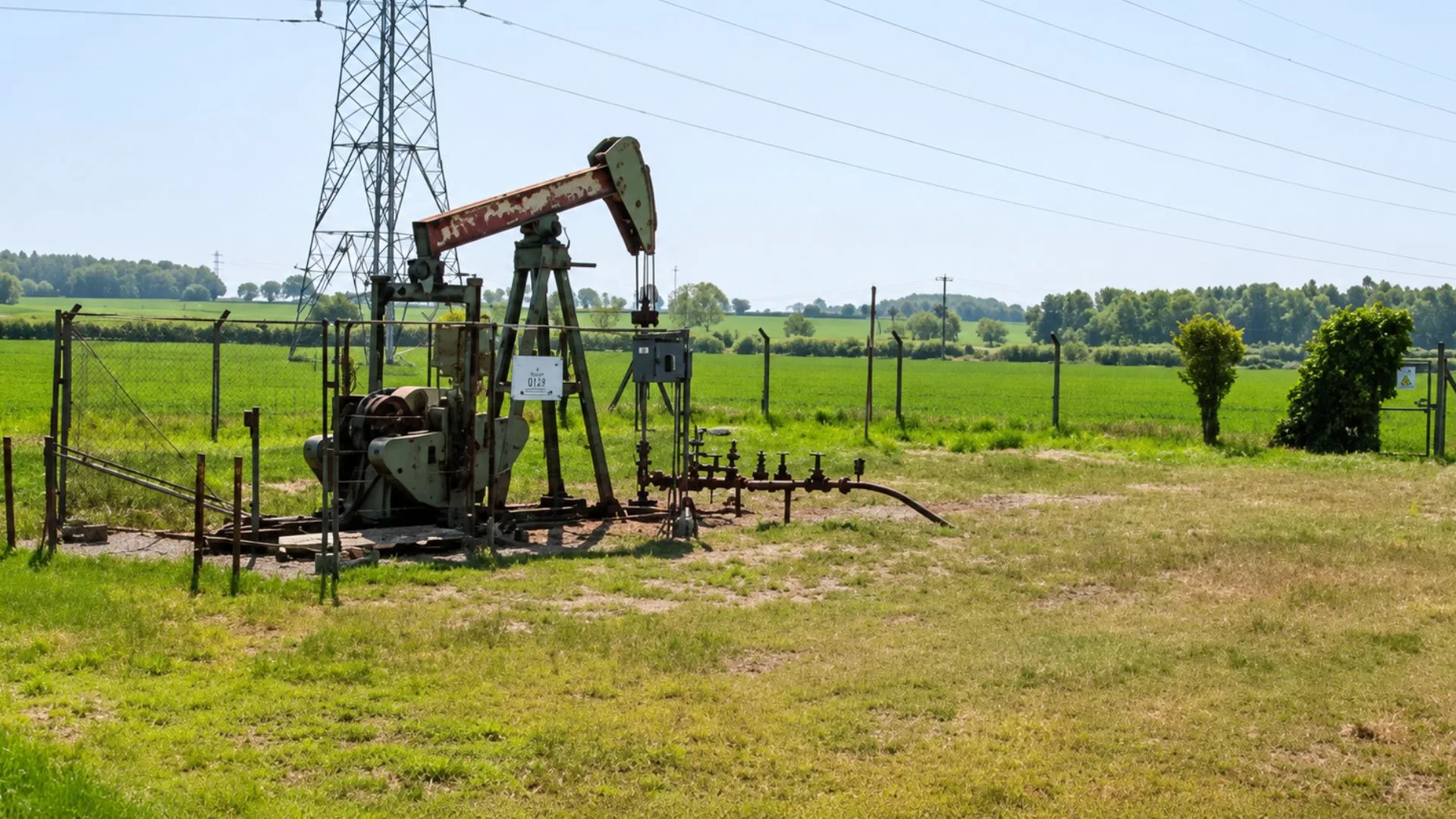
CeraPhi will assess up to 25 Star Energy wells to transform them into sources of heat and renewable energy in the UK.
CeraPhi Energy and Star Energy Group signed a strategic agreement to study the conversion of onshore oil and gas wells into geothermal energy facilities in the United Kingdom.
The collaboration will focus on assets that are no longer profitable for hydrocarbon production. These wells can then be repurposed as renewable heating and energy sources for commercial and residential customers.
The plan will begin with up to 25 wells
In its first phase, the program includes up to 25 wells distributed across several British fields; the expansion will depend on regulatory progress and the number of assets that reach the end of their productive life.
CeraPhi will act as the exclusive strategic partner to assess, rehabilitate, and commercialize the geothermal energy from the selected sites. The company will also handle the financing, construction, operation, and decommissioning of each development.
Likewise, the agreement seeks to define a transfer framework so that wells can change use once their oil or gas stage is over.
CeraPhiWell will allow the reuse of existing infrastructure
The conversion will rely on CeraPhiWell™, a closed-loop geothermal technology designed to utilize existing wells. This approach reduces the need to drill new installations and can decrease both the environmental impact and the initial cost of projects.
The technology extracts heat from the subsoil through a closed system, in this way the well can produce thermal energy without depending on the continuous extraction of geological fluids.
For the United Kingdom, this solution opens a way to take advantage of existing infrastructure in areas with energy experience, operational access, and available connections.
Regulation will be a central part of the project
The development will require coordination with the North Sea Transition Authority and the Environment Agency. Both entities will be relevant in defining the permits, responsibilities, and conditions applicable to the change of use of the wells.
The agreement establishes stages for asset transfer, technical planning, and commercial development. This process will determine which sites offer the best conditions for producing geothermal heat reliably.
Furthermore, the regulatory framework could serve as a reference for future well conversions in other British regions.
A second life for hydrocarbon assets
Star Energy operates the largest number of onshore oil and gas fields in Great Britain; this portfolio allows it to identify wells with the potential to continue generating value after the end of their conventional production.
The conversion can also reduce obligations associated with the definitive closure of certain assets; instead of being taken out of service, the sites can be integrated into local heating projects or energy supply for nearby facilities.
Karl Farrow, chief executive of CeraPhi Energy, noted that repurposing wells can accelerate the harnessing of Britain’s geothermal potential and create value for communities, industry and the environment.
For his part, Ross Glover, CEO of Star Energy, indicated that the alliance will allow the transformation of legacy assets into clean energy solutions and support the UK’s net-zero emissions goals.
CeraPhi is already working on community geothermal heating
CeraPhi has experience in adapting oil infrastructure for geothermal use. After acquiring Third Energy assets in Vale and Pickering, the company carried out a commercial conversion at a depth of 2,100 meters.
This site is progressing as a community heating project with support from the North Yorkshire Combined Authority’s Negative Carbon Fund.
The new alliance with Star Energy expands this model and proposes a scalable path for converting onshore wells into renewable heat sources. Its progress will depend on the technical feasibility of each asset, regulatory approval, and the energy demand of nearby areas.
Source and photo: Ceraphi