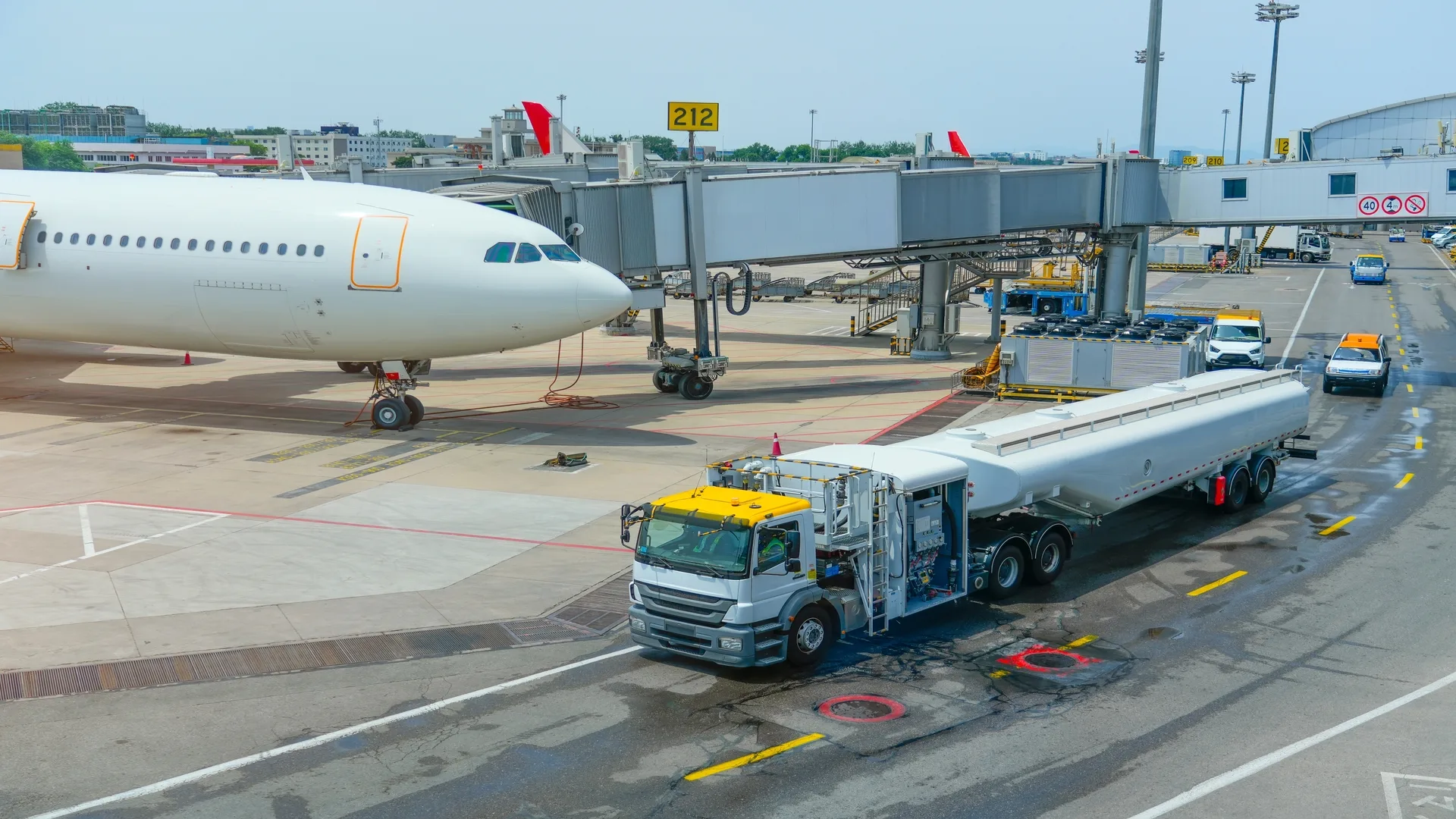
The European Commission warned that the aviation fuel market in the European Union could face further restrictions in the coming weeks if the situation in the Strait of Hormuz continues to show no signs of improvement.
According to an update published by the European Commission’s Energy department following meetings of the oil and gas coordination groups, the EU is closely monitoring the risks associated with one of the world’s most important energy corridors.
Hormuz keeps the global energy market on alert
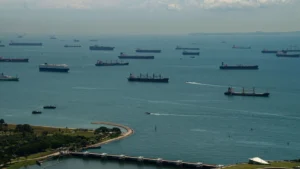
The Strait of Hormuz is currently a strategic waterway for the international transport of crude oil and refined products. Any disruption to this route has immediate repercussions on global energy markets and the supply chains that serve Europe.
During the meeting of the Petroleum Coordination Group, experts pointed out that a potential closure or prolonged disruption of transit would affect both crude oil and the main petroleum derivatives used by various industries.
They also highlighted that all member countries of the European Union are exposed to the consequences of this dynamic due to their participation in international energy markets.
The EU is experiencing price pressures without affecting supply.
So far, the European Commission has indicated that the main consequence observed has been increased pressure on energy prices.
EU authorities indicated that there have been no physical disruptions to the supply of energy to European consumers. However, the ongoing conflict in the Middle East continues to create uncertainty regarding the future availability of fuels and energy raw materials.
This scenario has led European bodies to strengthen the monitoring of oil and gas flows to anticipate possible impacts on regional supply.
Aviation fuel faces a tighter market
Among the energy products that could be most affected is aviation fuel; the Commission believes that if tensions persist for several weeks, the market could experience a gradual reduction in availability and increased pressure on prices.
The importance of this fuel for air transport makes airlines and airport operators some of the most sensitive sectors to any disruption in international supply chains.
Furthermore, a tighter market could increase the operating costs of the European airline industry and shift some of that economic pressure to other segments related to mobility and logistics.
The EU maintains surveillance of energy markets
In this context, the European Commission continues to coordinate actions with Member States to assess risks and ensure the security of energy supply.
While uncertainty persists in the Strait of Hormuz, the authorities will continue to monitor developments in the oil, gas and refined fuel markets in order to respond quickly to any disruption that may affect the European economy.
Source: Reuters
Photo: Shutterstock