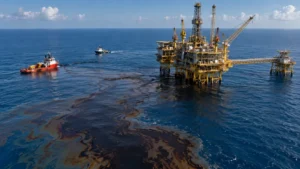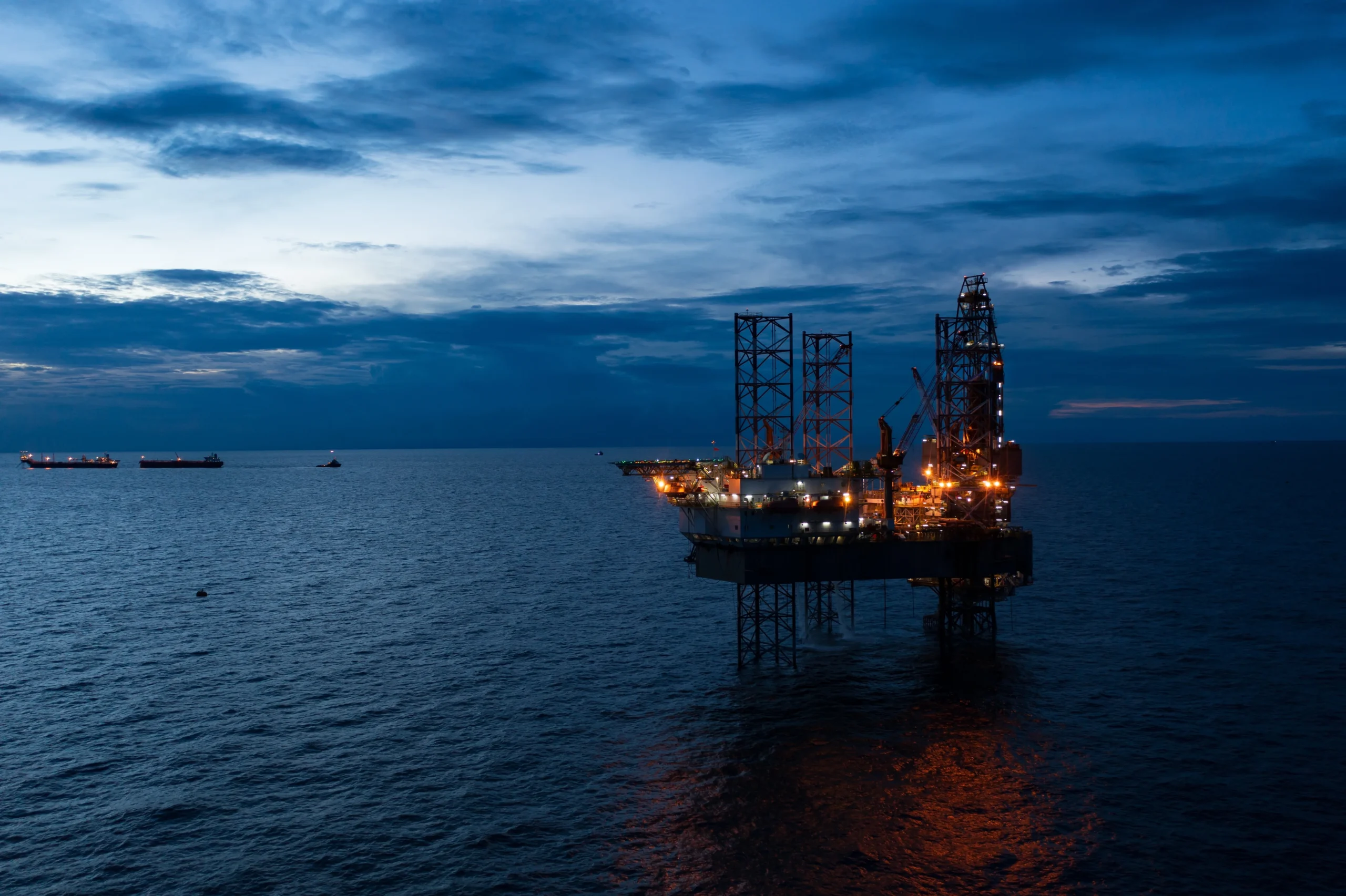
The company Africa Energy has obtained an extension until the November 4, 2026, to submit the Environmental and Social Impact Assessment, also called EIA, for the 11B/12B oil and gas exploration block off the coast of South Africa.
Why have they requested this extension?
The Western Cape High Court of South Africa cancelled the environmental authorization from other nearby blocks (5/6/7), which are operated by another company, claiming that additional environmental assessments were lacking. This has forced the company to strengthen environmental studies in energy projects similar.
Although those other blocks do not belong to Africa Energy, the company has consulted with its lawyers and decided to request more time to ensure that its own environmental study complies with all the requirements now demanded by the South African justice system, thus preventing the same thing from happening to them.
What stake does Africa Energy have in those blocks?
Currently, through his company Main Street, he has a 10% of block 11B/12B, but they hope to keep one75%Subject to approvals from the South African government and the completion of a restructuring announced in May 2025. However, to achieve that 75%, they also need to be granted the right to produce.
The Bloque 11B/12B is located in the Outeniqua Basin, about 175 kilometers off the southern coast of South Africa, and covers approximately 19000 km², presenting depths of between 200 and 1,800 meters. It also contains the Brulpadda and Luiperd gas discoveries, considered among the most important in the country.
Production rights as the next objective
This is a positive announcement for the company because they buy time to adapt to the new environmental requirements mandated by the court, they still face a lengthy process, as they must submit the study, await approval, and then obtain the production permit. Meanwhile, their stake in the block remains small (10%), although they aspire to gain control (75%) in the future.
Source: Africa Energy
Photo: Shutterstock