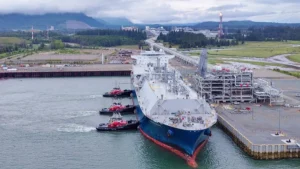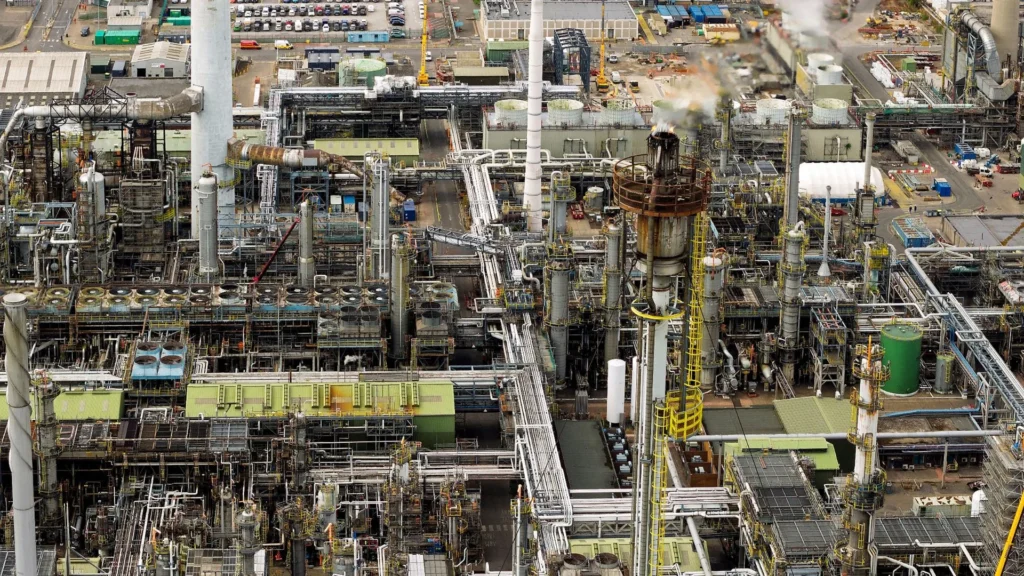
DangoteConstruction has begun on a new oil refinery in Kenya with an estimated investment of $16 billion. The project aims to expand fuel processing capacity in East Africa and reduce the region’s dependence on imported refined products. The facility will be located in the Lamu area, where the group led by Aliko Dangote plans to develop an energy complex similar to the one it operates in Nigeria. The refinery will process crude oil from African producers and meet some of the region’s fuel demand.
Dangote promotes a new oil refining center in East Africa
The project of Dangote this is part of a strategy to strengthen East Africa’s oil infrastructure. Currently, several countries in the region depend on imports of refined fuels, a situation that increases their vulnerability to changes in international markets. The new facility aims to generate greater processing capacity within the African continent and improve the availability of refined products such as gasoline, diesel, and other essential products for the industrial and transportation sectors. In addition to energy supply, the refinery could foster the development of complementary activities related to petrochemicals, storage, logistics, and the production of petroleum-derived materials, strengthening the regional industrial chain.
Regional participation and industrial investment
Aliko Dangote offered the region’s governments a joint 30% stake in the facility. This proposal aims to integrate various regional stakeholders into a project considered strategic for East Africa’s energy infrastructure. Additionally, Engineers India Limited received a $450 million engineering contract to support the technical development of the infrastructure, including services related to the design and planning of the industrial complex. The project is scheduled for completion in 2030. During the construction phase, authorities anticipate the creation of new jobs and the strengthening of the logistics corridor connected to the port of Lamu and associated future industrial activities.
Lamu as an energy and logistics center
The port of Lamu will play a key role in Kenya’s connectivity plans with its northern regions and neighboring countries. Its location will allow for the integration of maritime transport, industrial infrastructure, and energy distribution. Proximity to the maritime corridor could facilitate the movement of raw materials, industrial equipment, and refined products to various East African markets, enhancing the strategic importance of this area for regional energy trade. However, the project faces challenges related to crude oil supply, the availability of energy infrastructure, and environmental concerns raised by local organizations. Residents and environmental groups have pointed to potential impacts on the marine ecosystem and the historic Lamu area.
Challenges to replicating the Nigeria model
Oil industry analysts believe that the refining model developed by Dangote in Nigeria cannot necessarily be directly transferred to the Kenyan market. The availability of raw materials, energy networks, and regional conditions will be determining factors during the project’s execution. The experience gained with the projet refinery in Nigeria serves as an industry benchmark, but the new facility in Kenya will need to be adapted to the characteristics of the East African market, including local demand, supply logistics, and regulatory conditions. The new refinery represents one of the largest planned energy investments in East Africa and aims to expand the region’s oil refining capacity, strengthening the continent’s industrial and energy infrastructure.
Source: Reuters
Photo: Shutterstock