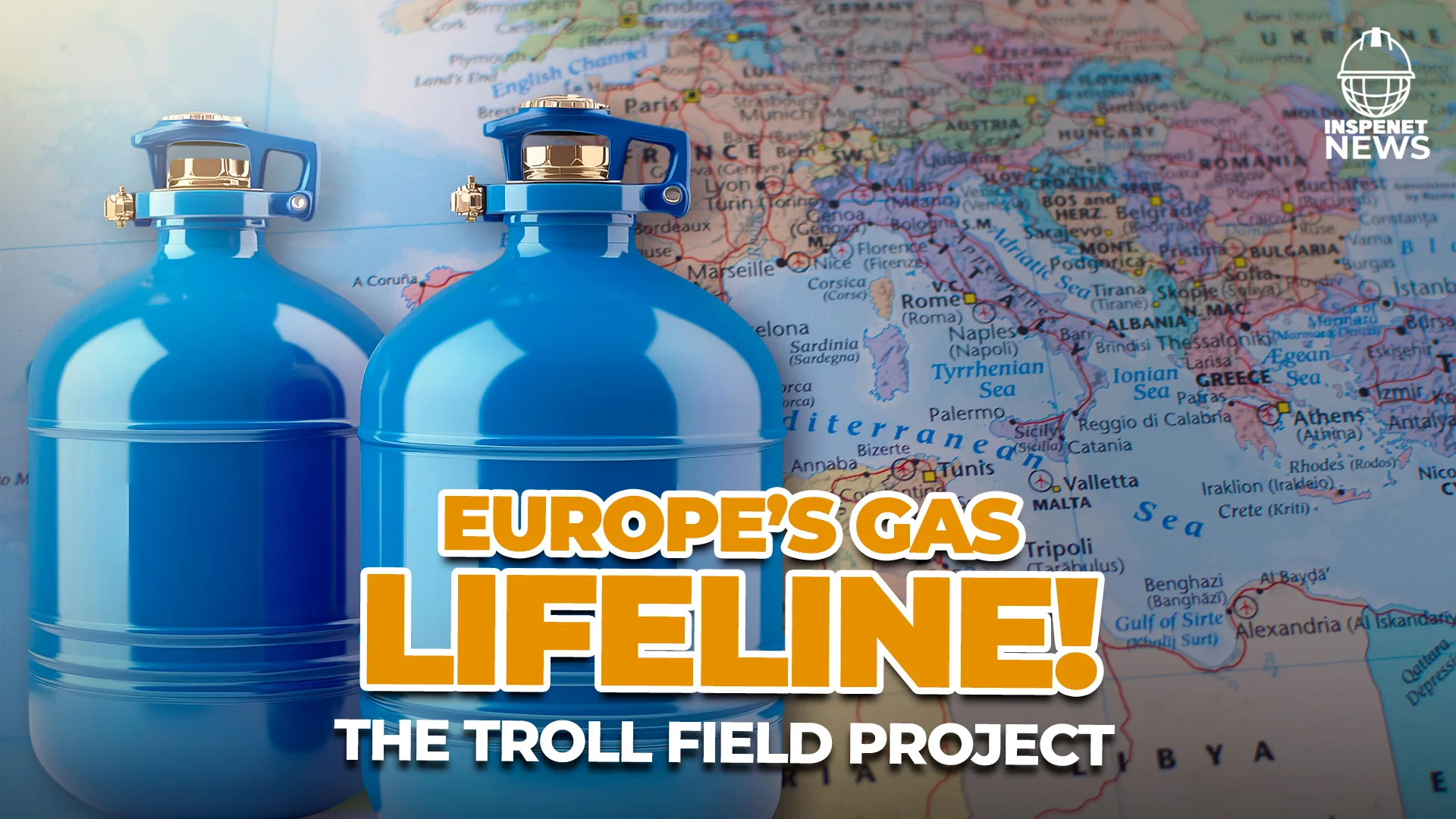
Project TWIN will strengthen Norway’s gas supply to Europe
Equinor and its partners Petoro, Shell, TotalEnergies and ConocoPhillips will invest more than 4 billion Norwegian kroner in the TWIN project , an initiative that seeks to increase natural gas production from the Troll field and strengthen the energy supply destined for Europe.
The company plans to begin production in 2028 through an offshore development that will utilize existing facilities. This strategy will reduce implementation costs and shorten the time required to bring new gas volumes to market.
Project TWIN will bring new resources from Troll West
This development corresponds to the third stage of Troll's Phase 3 and will focus on gas extraction from Troll West. According to the partnership's estimates, the project will contribute approximately 11 billion standard cubic meters of gas over its productive life.
The infrastructure project includes the drilling of two wells connected to existing subsea facilities. Additionally, umbilical lines and auxiliary systems will be extended to integrate the new development with the existing network.
Thanks to this approach, the partners seek to maximize the use of assets already installed in the area and maintain the competitiveness of future projects on the Norwegian continental shelf.
Troll strengthens its role in supplying gas to Europe
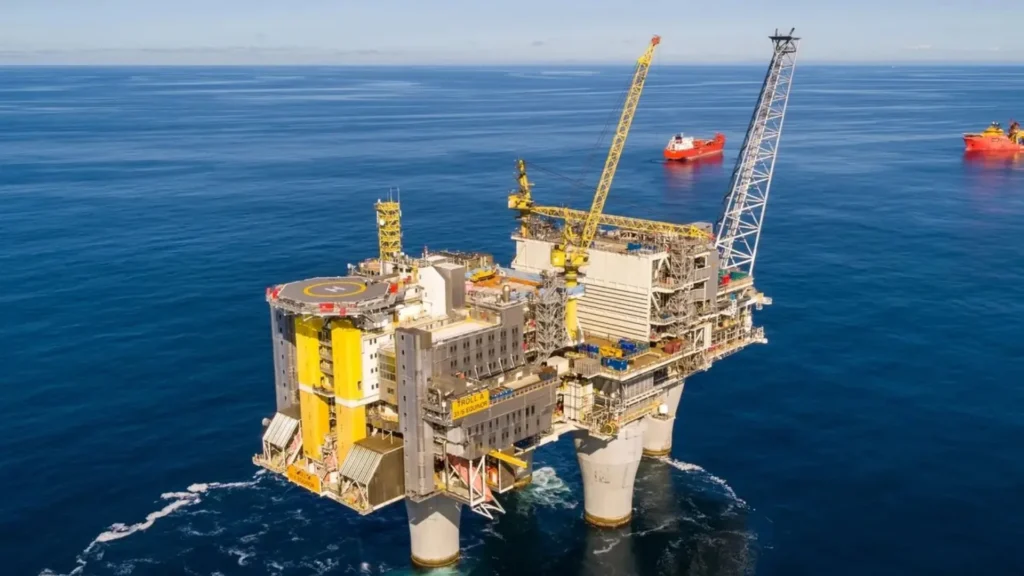
The Troll field is considered Norway's most important gas asset. Its reserves represent approximately 40% of the gas available on the country's continental shelf.
Furthermore, the volume from Troll covers around 10% of Europe's gas needs, making this field a key component for the continent's energy security .
The strategic importance of the deposit has increased in recent years due to the European need to diversify its sources of supply and ensure a stable energy supply.
Low-emission production and use of existing infrastructure
Another highlight of the project is its operational approach. Both the Troll A platform and the Kollsnes processing plant operate on electricity supplied from the ground.
This feature allows natural gas to be produced with a considerably lower emissions footprint than other traditional offshore developments.
Furthermore, reusing existing infrastructure reduces the need for new construction and facilitates a faster commissioning of discovered resources.
Norway is committed to accelerating its submarine developments
The investment in the TWIN project is part of a broader strategy driven by Norwegian industry to simplify processes and accelerate the development of new offshore fields.
According to Equinor, mature fields, the smaller size of new discoveries, and rising costs are forcing a rethink of how energy projects are executed.
The company aims to significantly reduce the costs and development times of future underwater initiatives and increase the number of projects executed annually by 2035.
Equinor seeks to sustain its production in the long term
While the TWIN project progresses, Equinor maintains its goal of achieving a production of 1.3 million barrels of oil equivalent per day on the Norwegian continental shelf by 2035.
Troll's expansion reinforces this strategy and consolidates Norway's role as one of the main energy suppliers for Europe in a context marked by the need to guarantee reliable and stable supplies for the coming decades.
News of additional interest
Hanwha Ocean joins LNG megaproject in Canada
Hanwha Ocean and Canada's Kanata Clean Power signed a memorandum of understanding to explore potential collaboration on the development of Kanata LNG, a liquefied natural gas export project using a floating plant off the coast of Prince Rupert, British Columbia. The initiative envisions a capacity of up to 12 million tons per year and an estimated investment of $15.7 billion.
The agreement outlines opportunities in the engineering, construction, operation, and maintenance of the floating infrastructure. It also considers potential investments by Hanwha Ocean in the project, long-term LNG purchase agreements, and specialized shipping solutions. Kanata emphasized that the agreement seeks to involve participating First Nations with a potential stake of up to 50% in the project, subject to future negotiations and approvals.
Iberdrola will allocate 1.6 billion to innovation and AI
Iberdrola confirmed a €1.6 billion investment in research, development, and innovation between 2025 and 2028 with the aim of accelerating electrification and strengthening its technological transformation. The announcement was made during the Digital Summit 2026, an event where the company brought together experts and technology companies to analyze the trends shaping the future of the energy sector.
Artificial intelligence was one of the central themes of the event. Iberdrola reported that it already has more than 300 AI projects underway focused on improving productivity, optimizing operations, strengthening cybersecurity, and enhancing service quality. The company also highlighted its partnerships with major technology firms and its efforts to integrate these tools throughout its value chain, adhering to safety and responsible use criteria.
Wärtsilä modernizes cement plant to operate on gas
Wärtsilä will carry out a fuel conversion project at the power plant that supplies electricity to a Qatrana Cement Company cement plant in Jordan. The upgrade will allow the engines to run on natural gas, a measure aimed at reducing operating costs and decreasing emissions associated with the energy used in the industrial process.
The project includes conversion and modernization work on existing equipment. In addition to improving the plant's current efficiency, the technology will allow the engines to use sustainable fuels when they become available in the future. The initiative builds on a collaborative relationship between the two companies that began in 2008 and aims to be carried out without disrupting cement production.
CORE POWER evaluates SMR reactor for floating nuclear power plants
CORE POWER has launched a feasibility study to analyze the potential integration of BWX Technologies' mPower small modular reactor into future floating nuclear power plants. The assessment will review technical, regulatory, and commercial aspects to determine if this technology can be used on shipyard-built platforms deployed near energy consumption centers.
The mPower reactor was developed as a Generation III+ pressurized water SMR with a capacity of 195 megawatts per unit. The study will address topics such as marine integration, systems engineering, operational requirements, regulatory frameworks, and economic feasibility. CORE POWER aims to leverage industrial shipbuilding to facilitate the production and deployment of these energy facilities.