
NextEnergy is going on sale at a discount to its liquidation value
NextEnergy Solar Fund (NESF) has initiated a formal sale process after several years of trading at a significant discount to its net asset value (NAV) . The board of directors believes this transaction represents the best alternative to maximize shareholder value following a lengthy strategic review.
A fund affected by the discount on its assets
Over the past few years, NextEnergy has seen its shares undervalued by the market. This gap between the stock price and the net asset value has limited the fund's ability to raise new capital and expand its project portfolio.
The company explained that macroeconomic uncertainty and the performance of financial markets have weighed on the valuation of funds specializing in solar energy and other renewable infrastructure . This is compounded by high interest rates, which have reduced the attractiveness of these types of investments for some market participants.
The energy market is going through a period of transformation
NextEnergy's situation is not an isolated case; several British funds focused on renewable energy have also registered significant discounts on their net asset value due to the change in investor sentiment.
The combination of lower electricity prices, higher financing costs, and an uncertain economic environment has influenced the behavior of numerous investment companies linked to the energy market. This scenario has hampered both fund growth and the acquisition of resources to develop new projects.
Energy storage is gaining prominence
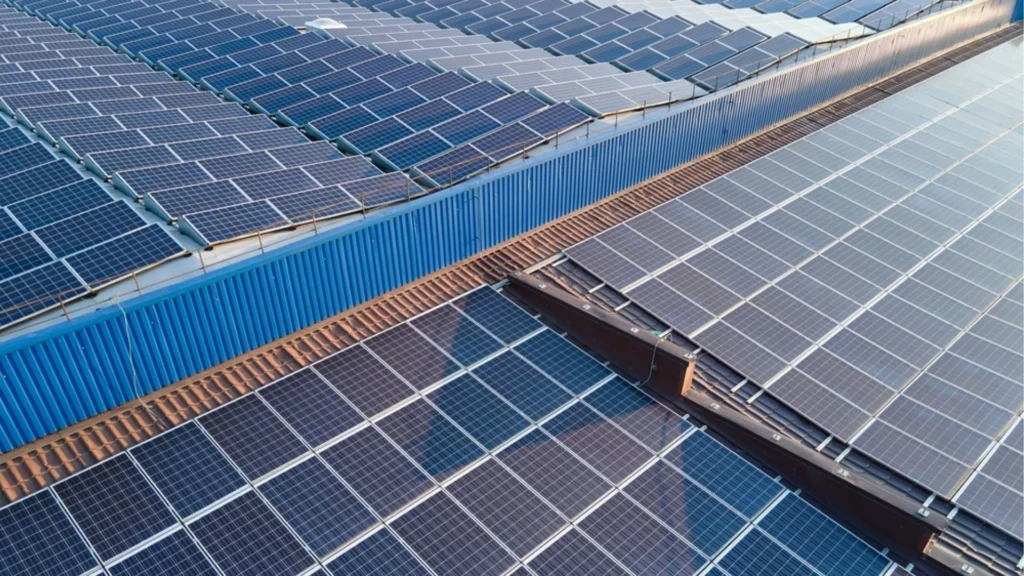
Before announcing the sale, NextEnergy had begun reorganizing its portfolio to increase the weight of energy storage to represent approximately 30% of its gross asset value. As part of that strategy, it also considered divesting 120 MW of photovoltaic solar energy assets .
This decision reflects the growing interest in energy storage systems within the energy market . As renewable energy generation increases, these facilities allow for better management of electricity production and provide greater stability to the grid.
The operation aims to generate greater value for shareholders.
The board of directors has begun receiving expressions of interest from potential buyers who understand the value of the fund's asset portfolio. The aim is to find a solution that will reduce the gap between the market valuation and the actual value of the investments.
NextEnergy Capital had previously warned that factors such as economic uncertainty, the evolution of British public debt yields, political instability and falling electricity prices were putting strong pressure on investment companies specializing in renewable energy.
What does this sale represent for the sector?
The process initiated by NextEnergy highlights the challenges facing solar energy funds in the UK. The evolution of net asset value, the behavior of the energy market , and the growing interest in energy storage will significantly influence the sector's strategic decisions in the coming months.
News of additional interest
Aramco strengthens its gas plan with Halliburton
Saudi Aramco has awarded Halliburton a multi-year contract to provide well stimulation and completion services as part of the development of its unconventional gas resources in Saudi Arabia. The agreement is part of a large-scale program aimed at accelerating production at the Jafurah field through automation and real-time monitoring technologies to improve operational efficiency.
The US company also announced that it will deploy the country's first fully integrated smart fracturing platform during the third quarter of 2026. It will also expand its local manufacturing capacity, strengthen its supply chain, and enhance staff training to meet the anticipated increase in activity. Jafurah is considered the largest liquids-rich shale gas field in the Middle East and is central to Aramco's goal of increasing its marketable gas production capacity by approximately 80% by 2030 compared to 2021 levels.
Oil extends its upward streak amid tensions with Iran
Oil prices rose for the fourth consecutive day amid escalating tensions between the United States and Iran. New US attacks on Iranian military targets heightened market concerns about potential disruptions in the Strait of Hormuz, a route through which approximately one-fifth of the world's oil and liquefied natural gas trade passes. Against this backdrop, Brent and WTI crude extended the gains they had accumulated since the beginning of the week.
The market also found support in the reduction of crude oil and gasoline inventories in the United States, a sign that demand remains strong during the peak consumption season. However, the unexpected increase in distillate fuel inventories and uncertainty about the evolution of the conflict keep investors focused on the risks to global energy supply.
Japan seeks new sources of crude oil for the summer
Japanese refineries have assured that they have alternatives to maintain oil supplies during the peak demand season despite disruptions in the Middle East. The industry is turning to crude from the United States and is also looking to increase purchases from Saudi Arabia and the United Arab Emirates via routes that bypass the Strait of Hormuz. Additionally, some companies are importing oil from Latin America, Alaska, and the Russian Sakhalin-2 project.
The sector is also using domestic reserves and adjusting blends of different types of crude to suit the conditions at its refineries. However, transport from the United States involves longer routes, which increases logistical costs and could be passed on to consumers. The industry recognizes that its heavy reliance on Middle Eastern oil necessitates accelerating the diversification of its supply sources.
TotalEnergies expects higher profits due to rising crude oil prices
TotalEnergies expects to improve its second-quarter results thanks to the sharp rise in oil prices driven by the conflict between the United States and Iran. The company anticipates a greater contribution from its exploration and production business following the recovery of operations in several Middle Eastern countries and increased production in the United Arab Emirates. It also expects improved performance in refining and marketing due to higher margins and trading activity.
The positive performance would be partially limited by the anticipated decline in earnings from the liquefied natural gas business due to a less dynamic European market and lower-than-expected commercial performance. Furthermore, the company noted that restrictions on crude oil shipments through the Strait of Hormuz reduced some of the profit generated by increased production in the region.