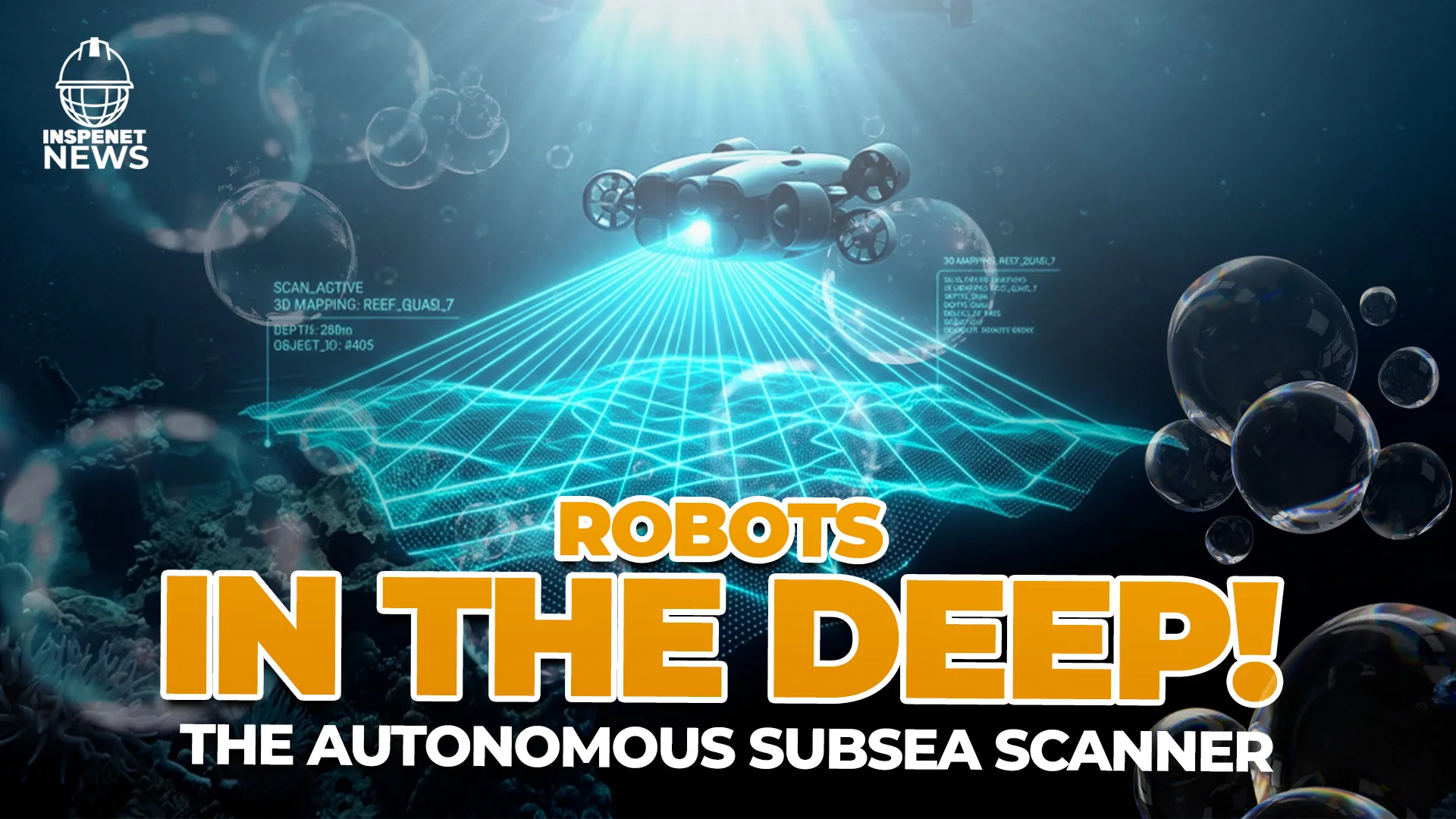
PXGEO and Equinor test the Sabertooth autonomous underwater vehicle
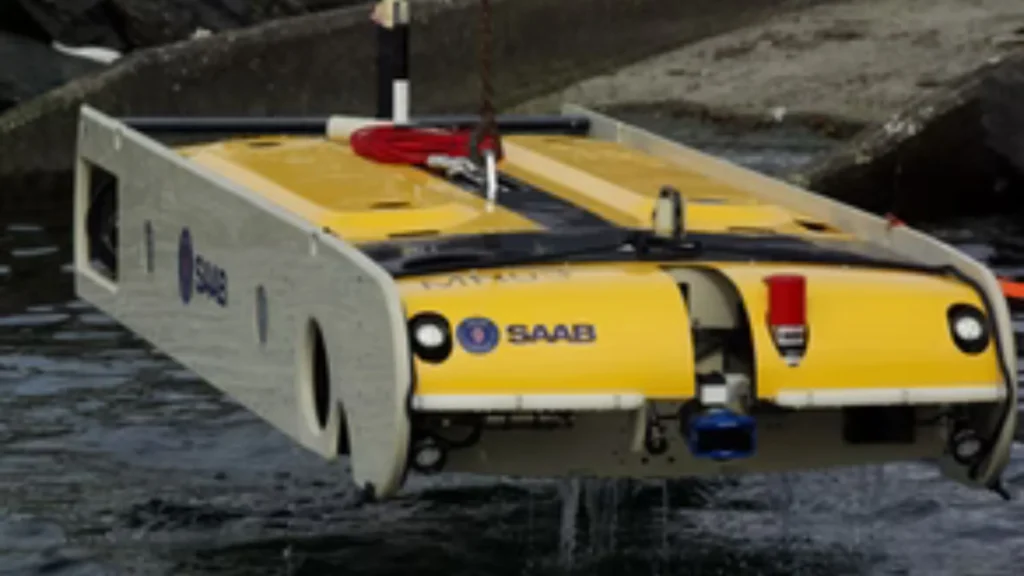
PXGEO and Equinor have signed a one-year framework agreement to conduct advanced testing of the Saab Sabertooth. The project aims to validate the performance of this autonomous underwater vehicle in underwater infrastructure inspection tasks without requiring direct operator intervention during the mission.
The initiative marks PXGEO's entry into the autonomous underwater inspection segment , a market that is gaining prominence as the offshore industry accelerates the adoption of technologies capable of reducing operating costs and improving efficiency in complex environments.
PXGEO and Equinor will test the system's autonomy
As part of the agreement, an initial test campaign has already been scheduled off the coast of Norway. During the operation, the Saab Sabertooth will autonomously perform docking maneuvers before carrying out inspection tasks on underwater infrastructure .
In addition, the system will operate in AUV (Autonomous Underwater Vehicle) mode, using integrated sensors to gather environmental information. Onboard equipment includes sonar systems and cameras that will provide detailed data on the condition of the inspected assets.
The test will serve to verify the platform's autonomous behavior under real-world conditions and evaluate its ability to complete subsea inspection missions with a high level of independence.
The Saab Sabertooth seeks to consolidate its position in offshore operations
The Saab Sabertooth has been developed to combine autonomous navigation capabilities with underwater intervention functions. This combination allows the platform to perform tasks that traditionally required vehicles operated from support vessels.
Consequently, technology could help reduce reliance on manned resources during certain offshore operations . This trend is gaining traction among energy operators seeking to optimize the management of subsea assets through automated solutions.
PXGEO enters the autonomous underwater inspection market
According to Peter Erkers, Head of Strategy at PXGEO, this agreement represents the company's first commercial contract in the field of autonomous underwater inspection.
The collaboration with Equinor also provides a suitable setting to validate the technology in a demanding operating environment. The experience gained during testing will allow us to measure the potential of these solutions for future commercial applications in subsea installations.
Automation is gaining ground in the subsea industry
As the energy industry continues to move towards more digitized models, autonomous technologies are beginning to play an increasingly important role in inspection and monitoring activities.
Therefore, projects like the one developed by PXGEO and Equinor reflect a progressive transformation of offshore operations. The ability of an autonomous underwater vehicle to inspect underwater infrastructure without constant supervision could become an increasingly common tool for subsea asset management in the coming years.
News of additional interest
EXMAR launches ammonia-powered ocean-going vessel
EXMAR announced the delivery of the MGC ANTWERPEN, considered the first ocean-going vessel equipped with a dual-fuel engine capable of running on ammonia. The vessel was developed in collaboration with specialized maritime companies and has the capacity to transport up to 46,000 cubic meters of ammonia or liquefied petroleum gas. Its design aims to drastically reduce emissions associated with maritime transport.
According to the company, the vessel can reduce greenhouse gas emissions by up to 90% compared to conventional vessels when using ammonia as fuel. The project also included crew training programs, safety assessments, and coordinated work with regulatory bodies to establish appropriate operating procedures. The ANTWERPEN is the first in a series of four similar vessels that will be named after Belgian cities.
Petrobras expands its presence in the Campos Basin
Petrobras announced the acquisition of a 50% stake in the Itaimbezinho exploration block , located off the coast of the Campos Basin in Brazil. The transaction was agreed upon with Equinor Brasil Energia, which currently owns the entire asset. Upon completion of the transaction, both companies will share the block equally, while Equinor will retain the role of operator.
The company emphasized that the acquisition strengthens its presence in a region where it already participates in other projects with Equinor. It also noted that the initiative is part of its strategy to expand oil and gas reserves through new exploration activities and partnerships with industry partners. The agreement still requires approval from the relevant regulatory authorities before being finalized.
Seaturns brings wave energy to the open sea
French company Seaturns has begun offshore testing of its first full-scale wave energy demonstrator off the Atlantic coast of France. The installation marks the start of an evaluation campaign of at least 12 months that will measure the technology's performance under real-world conditions and gather key information to advance its certification, which is expected in 2027.
The system is the result of more than a decade of development and progressive testing carried out in conjunction with European research centers. This new phase will analyze the floating platform's performance, the reliability of its equipment, and its operating and maintenance procedures. Furthermore, Seaturns announced a collaboration with the Irish energy company ESB, which will oversee technical aspects of the project and have access to the data obtained during testing.
Greenland Energy accelerates its oil plan in Greenland
Greenland Energy reported progress in its exploration program in the Jameson Land Basin, in eastern Greenland, following its recent listing on Nasdaq. The company secured approximately $70 million in financing and signed agreements with specialized firms to support the next phases of drilling and logistical development in the region.
Among the most notable developments is an agreement with Halliburton for consulting, logistics, and drilling operations services, as well as a long-term contract with Stampede Drilling for a platform adapted to Arctic conditions. The company is also making progress in mobilizing equipment, constructing infrastructure, and preparing the materials needed to begin drilling its first exploratory wells in October 2026.