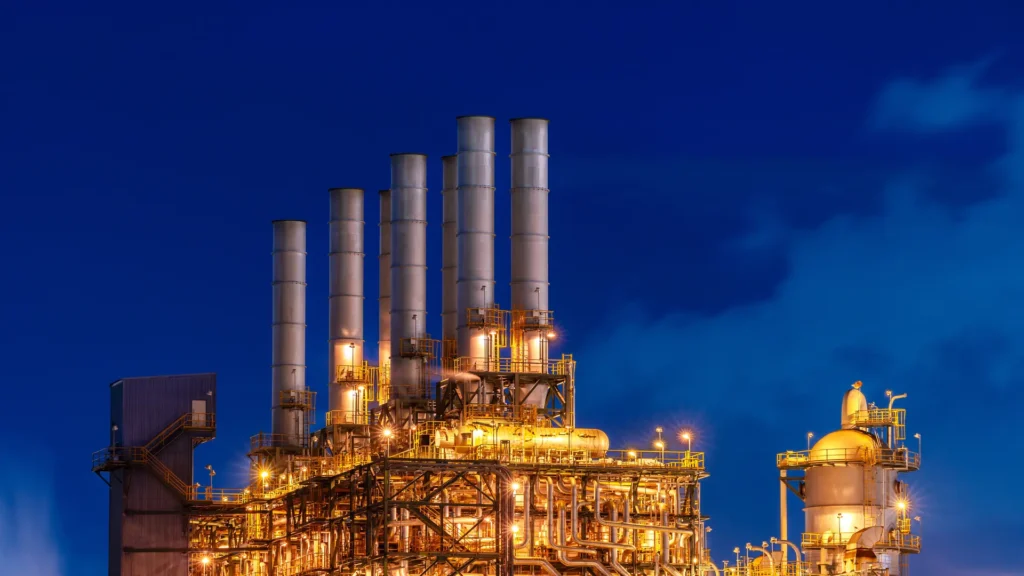
Industrial furnaces: Impact of biofuels and fuel switching
Technical impact of fuel switching on industrial furnaces, combustion performance, emissions and integrity.

Mechanical Engineer with specialization in industrial maintenance. 43 years of experience in the oil, petrochemical, gas, metalworking and food industries. Content developer, expert analyst in equipment and corrosion inspection and plant shutdown technical management. Qualified and certified in non-destructive testing techniques UT, PT, VT, MT, RT.
Technical impact of fuel switching on industrial furnaces, combustion performance, emissions and integrity.
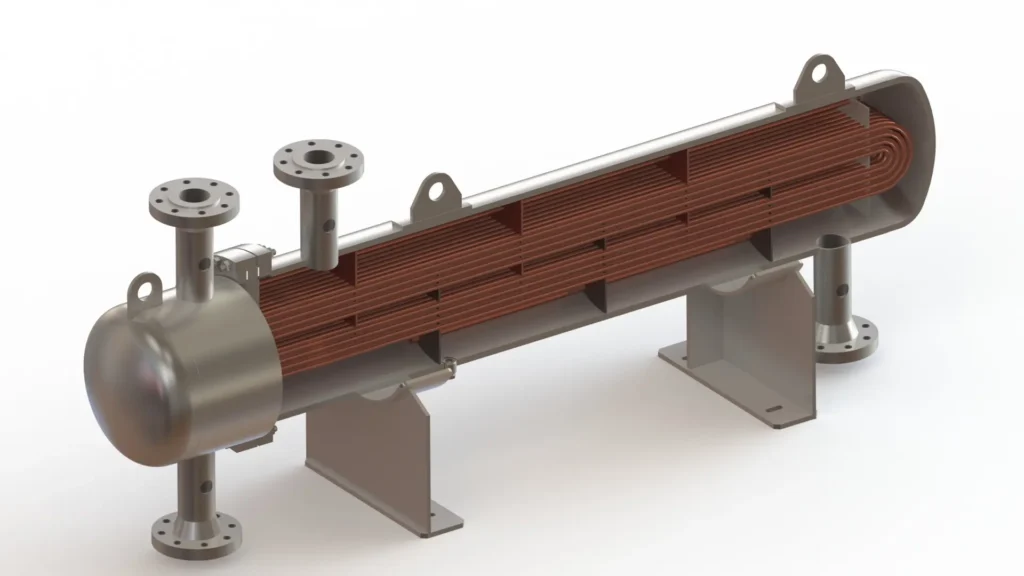
Discover common heat exchanger tube failures and advanced NDT methods used to prevent leaks and critical damage.
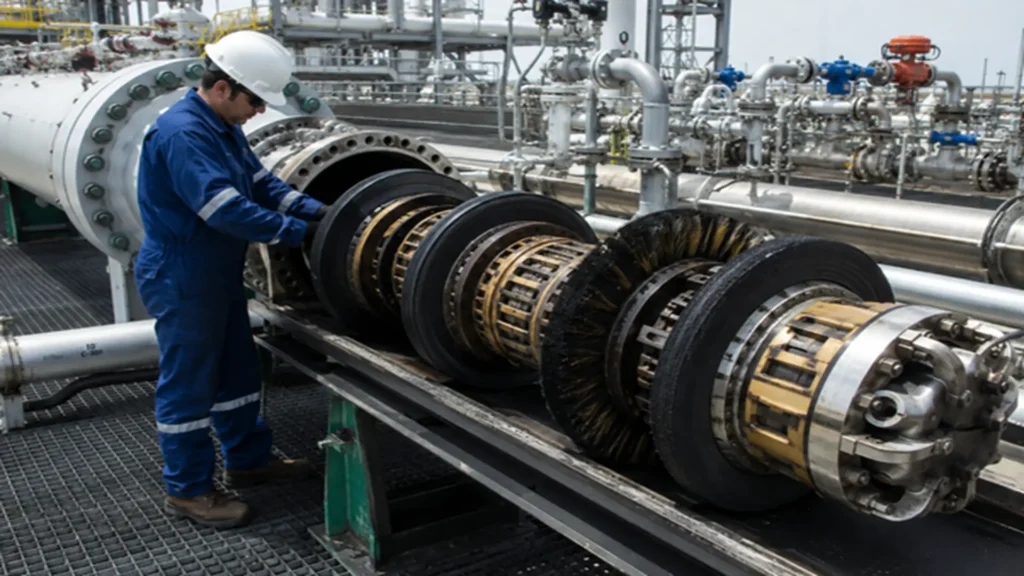
Pipeline inspection using high-resolution magnetic PIGs detects corrosion and metal loss, improving pipeline integrity management decisions.
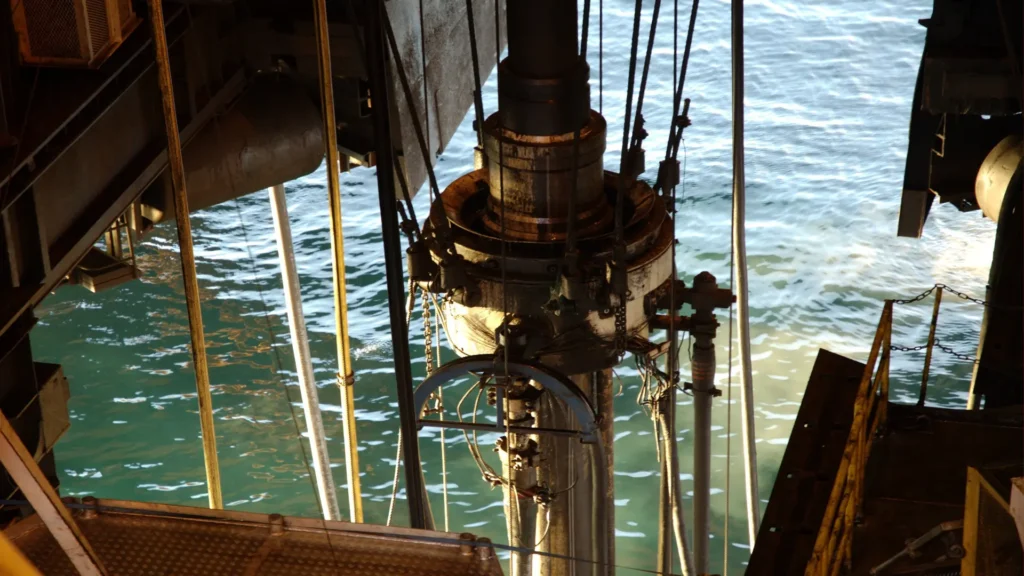
How to detect hidden corrosion in offshore caissons using guided waves and continuous integrity monitoring.
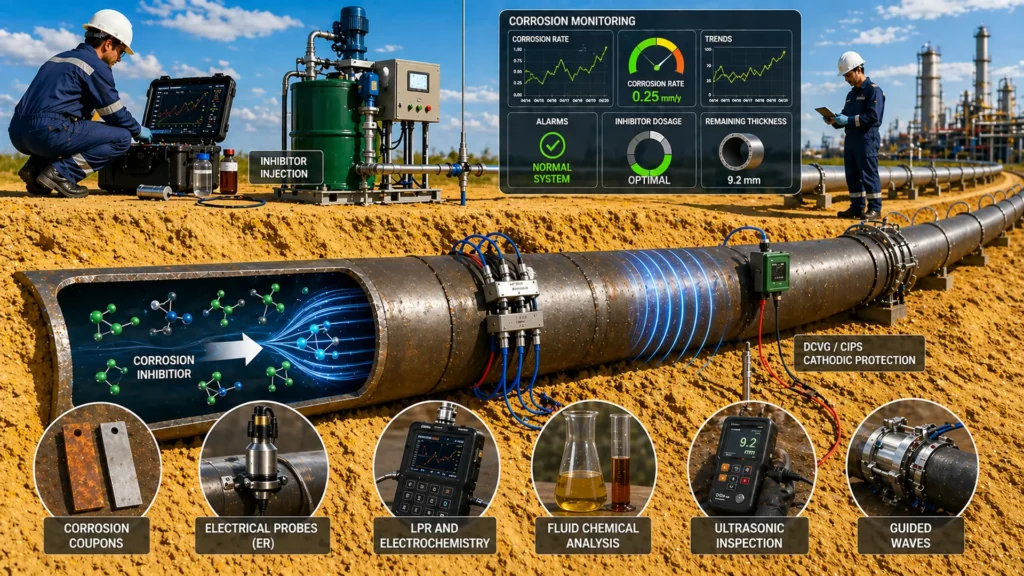
Detecting localized corrosion in buried pipelines and validating inhibitor dosing require non-intrusive technologies and continuous monitoring to ensure effective protection.
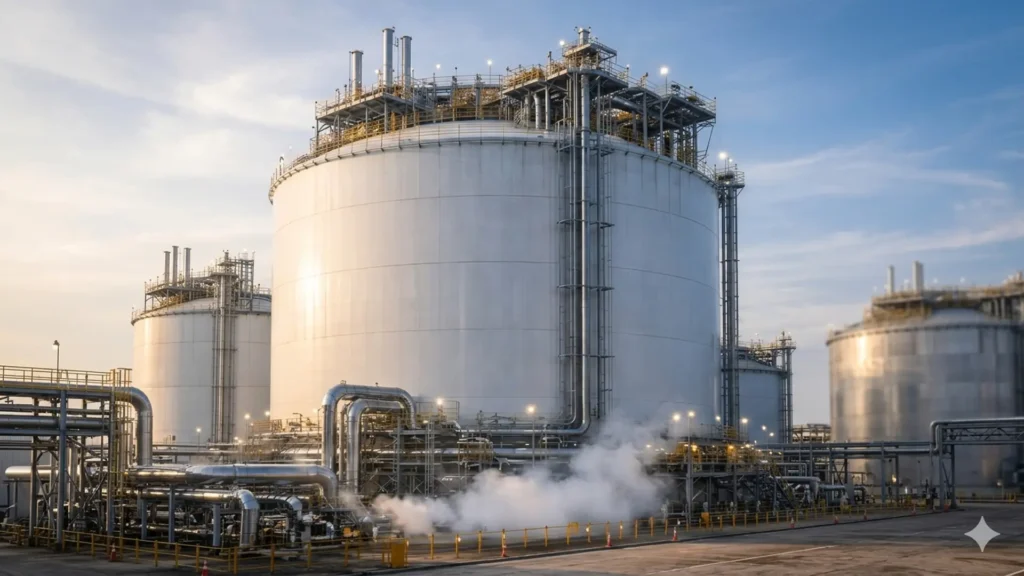
API 626 defines inspection criteria for LNG cryogenic tanks, improving integrity and in-service evaluation.
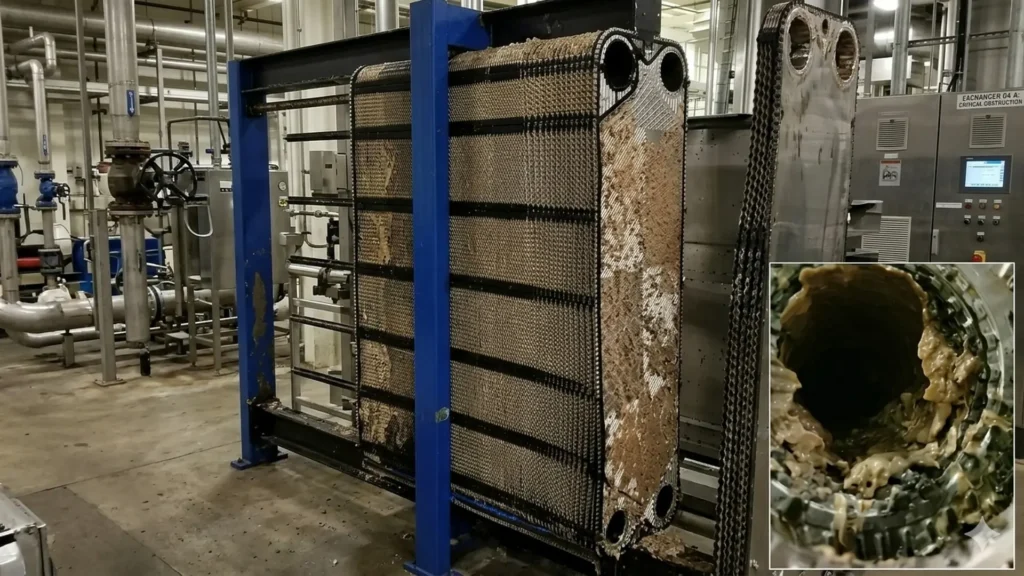
Fouling in plate heat exchangers affects heat transfer and hydraulic performance, compromising efficiency and increasing operating costs.
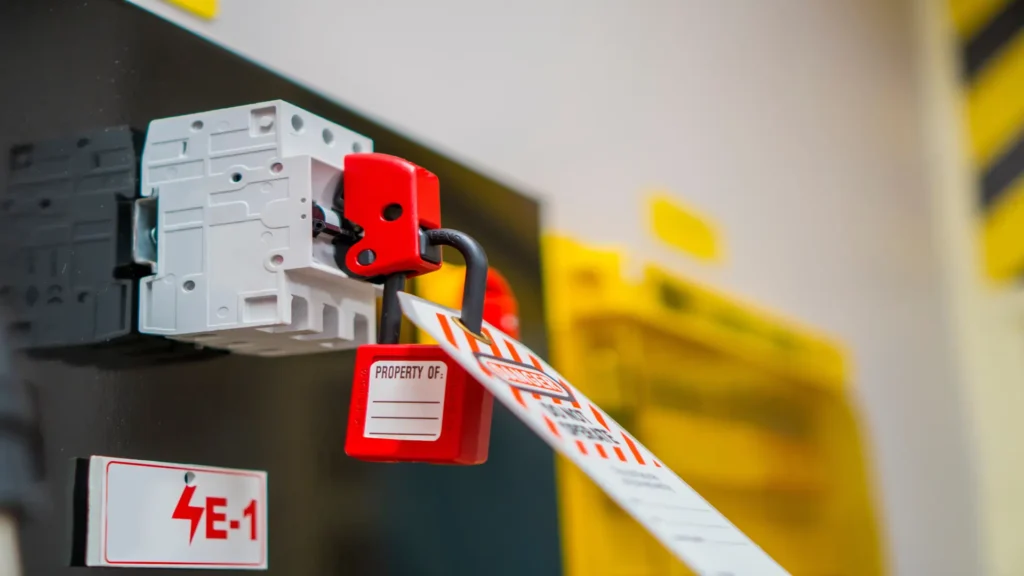
LOTO ensures a Zero energy state and protects workers from hazardous energy.
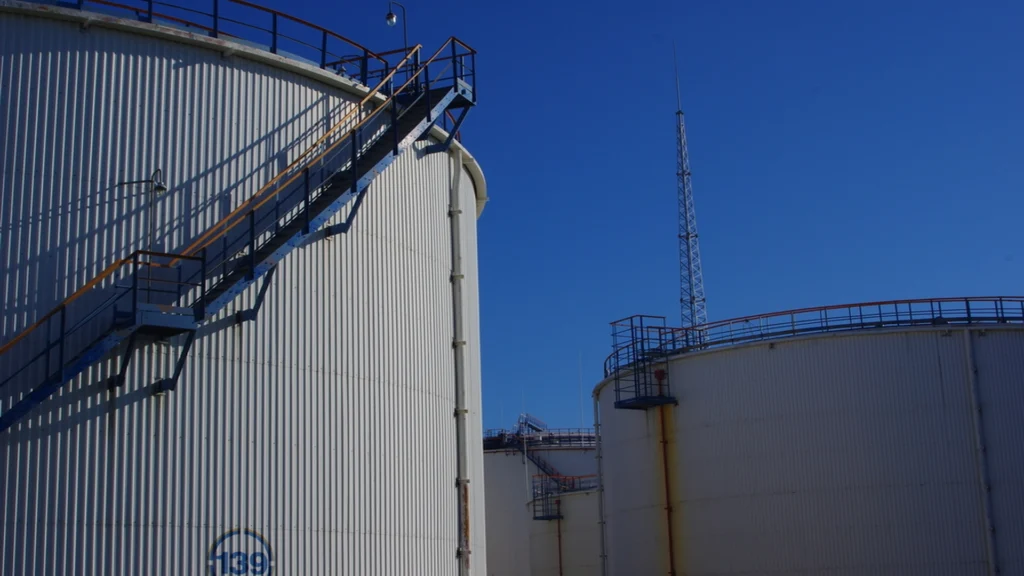
Causes, detection, and solutions for corrosion under insulation in AST tanks to ensure safety and reliability.

In extreme conditions, underwater inspection and structural monitoring enable the identification of signs of corrosion or fatigue in platforms and pipelines.
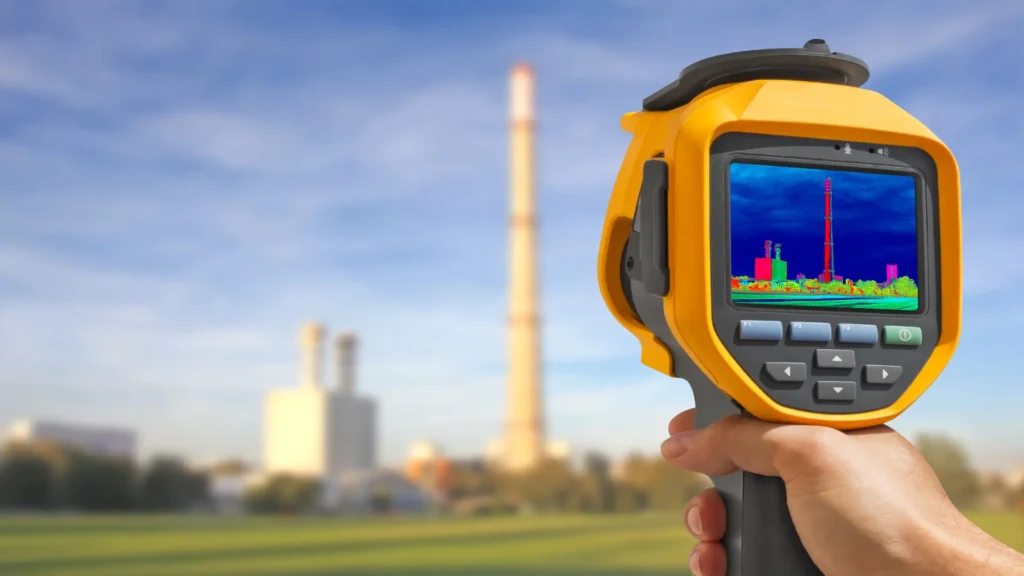
Thermal monitoring in industrial furnaces optimizes efficiency and safety by detecting early faults using infrared thermography and preventive maintenance.
Learn about API 510 best practices to ensure the integrity of pressure vessels in operation.