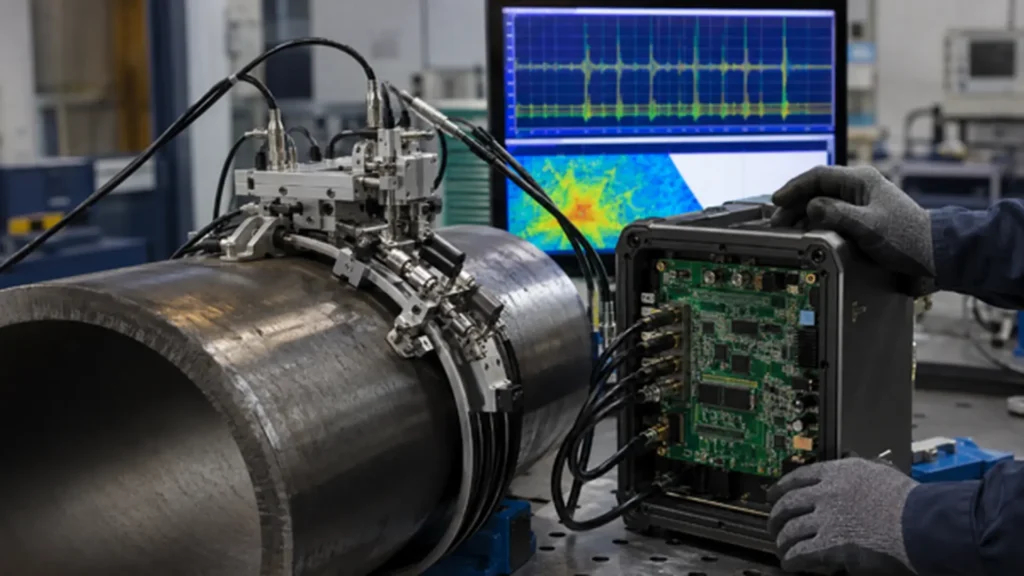
High-speed data acquisition in ultrasonic NDT with OEM electronics
Integrate OEM electronics into ultrasonic NDT systems and optimize phased array, FMC/TFM, and automated testing with greater speed and traceability.
Mechanical Engineer with specialization in industrial maintenance. 43 years of experience in the oil, petrochemical, gas, metalworking and food industries. Content developer, expert analyst in equipment and corrosion inspection and plant shutdown technical management. Qualified and certified in non-destructive testing techniques UT, PT, VT, MT, RT.
Integrate OEM electronics into ultrasonic NDT systems and optimize phased array, FMC/TFM, and automated testing with greater speed and traceability.
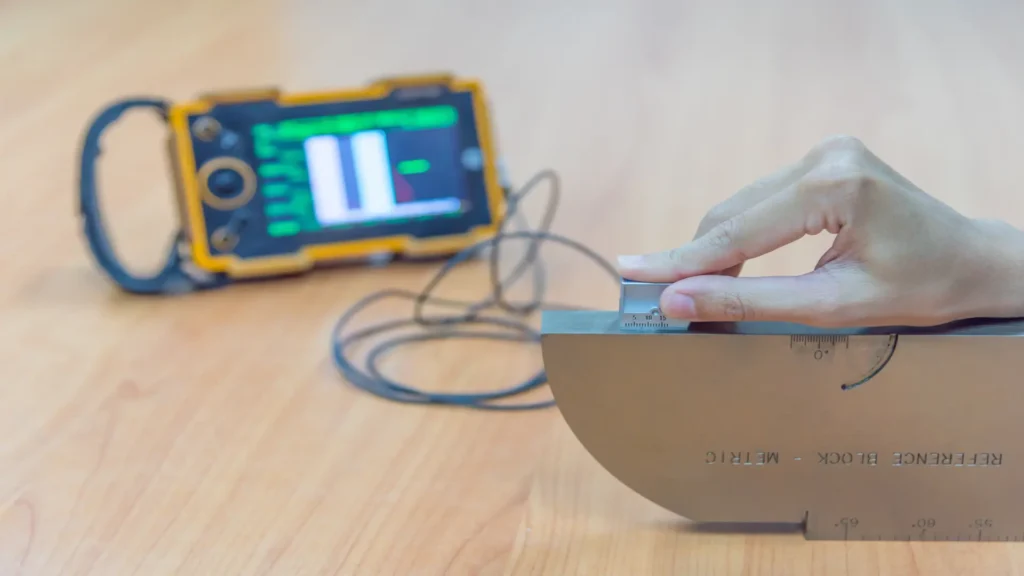
Learn how to avoid errors in UT inspections by using the right transducers, calibration blocks, and controls based on ASTM E317.
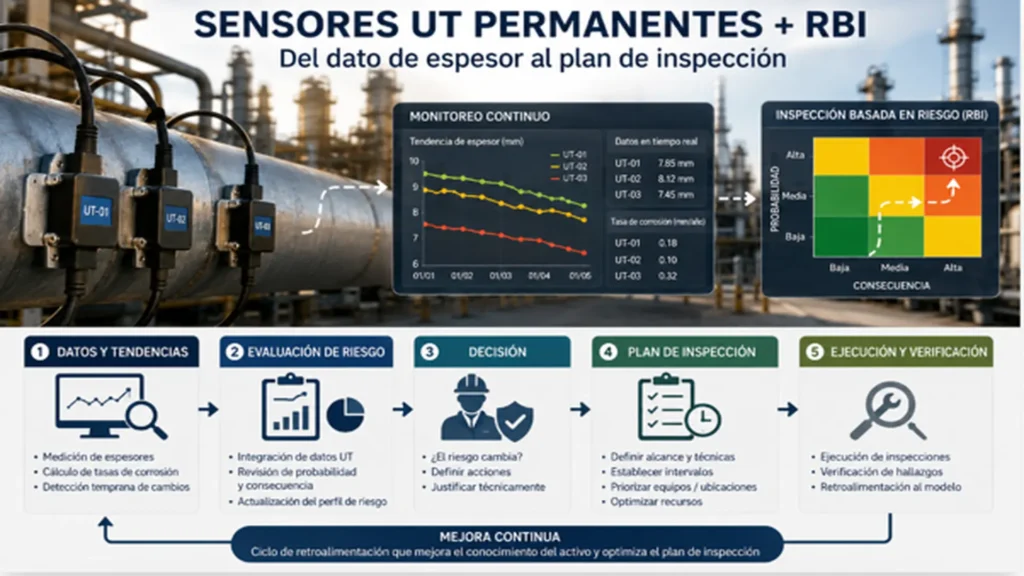
Learn how permanent UT sensors integrated with RBI turn thickness and corrosion data into smarter inspection plans.
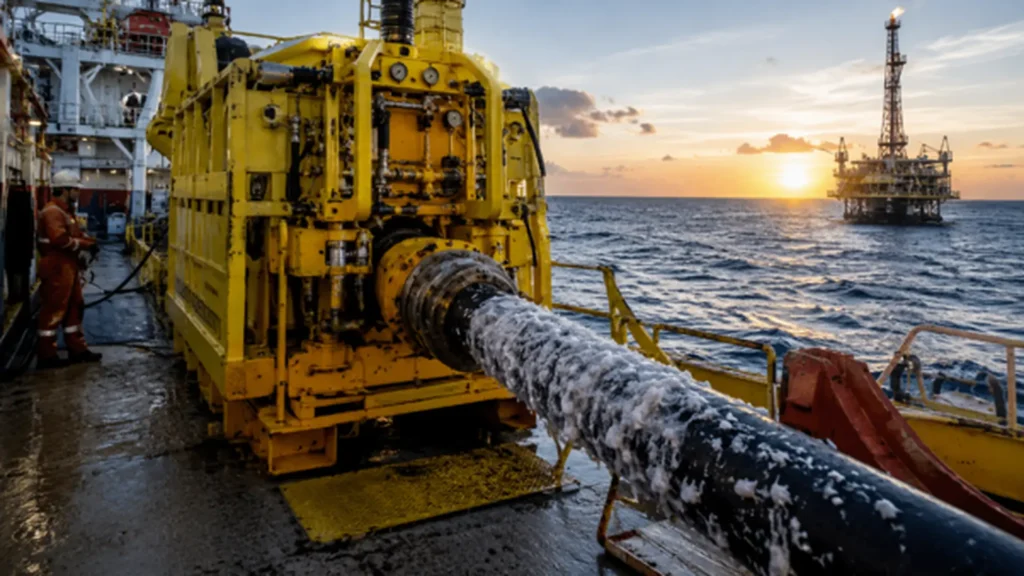
Hydrates in subsea flowlines halt production fast. Learn to diagnose blockages and restore flow safely using HRS and FRS systems.
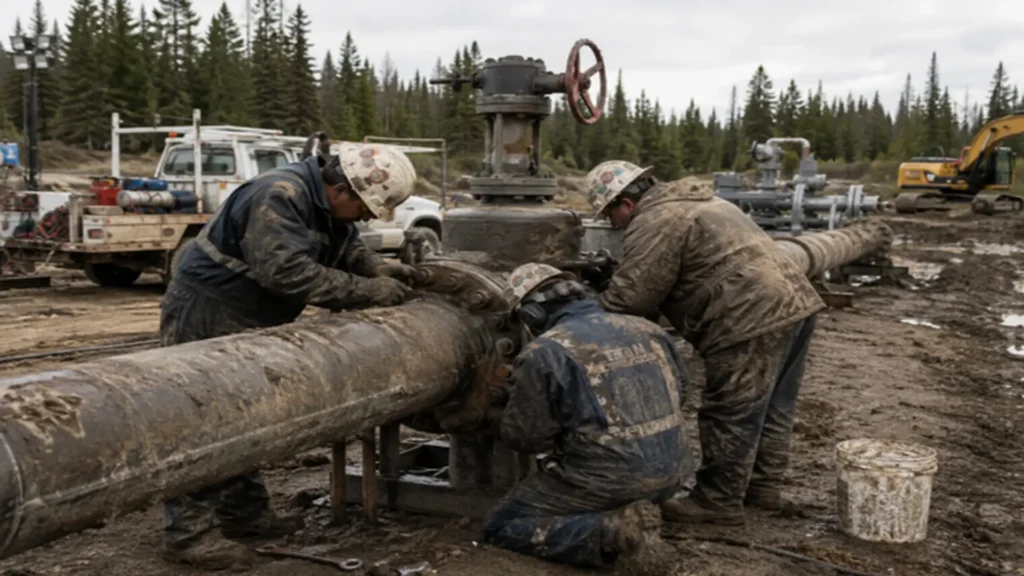
Gas pipeline operation and maintenance requires turning every leak into a root-cause analysis to eliminate recurring failures through traceability and operational follow-up.
How QA, QC, and traceability improve the reliability of inspections and support technical decisions on asset integrity.
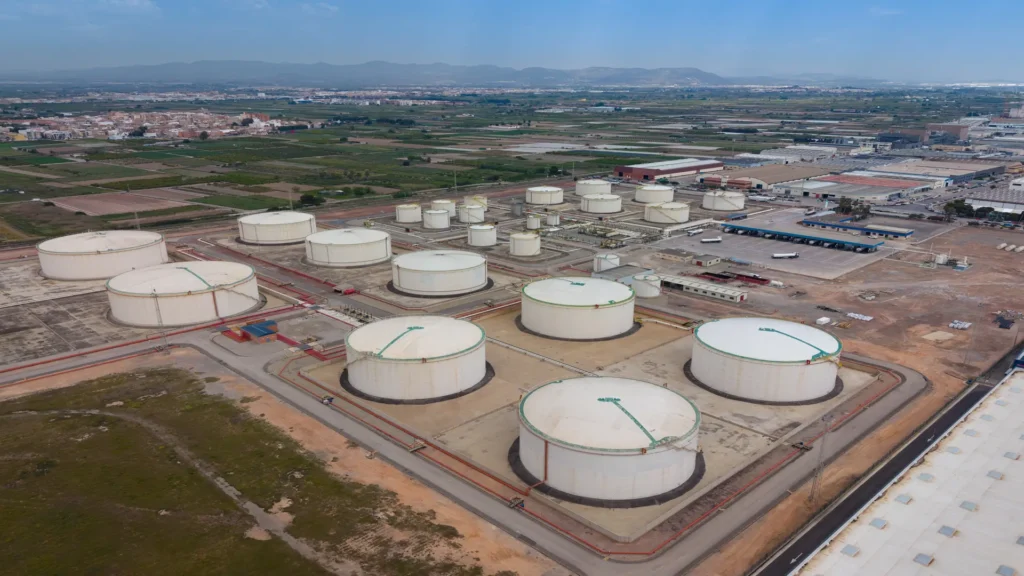
The evolution towards automated tank gauging systems reduces uncertainty, optimizing inventory management and regulatory compliance.
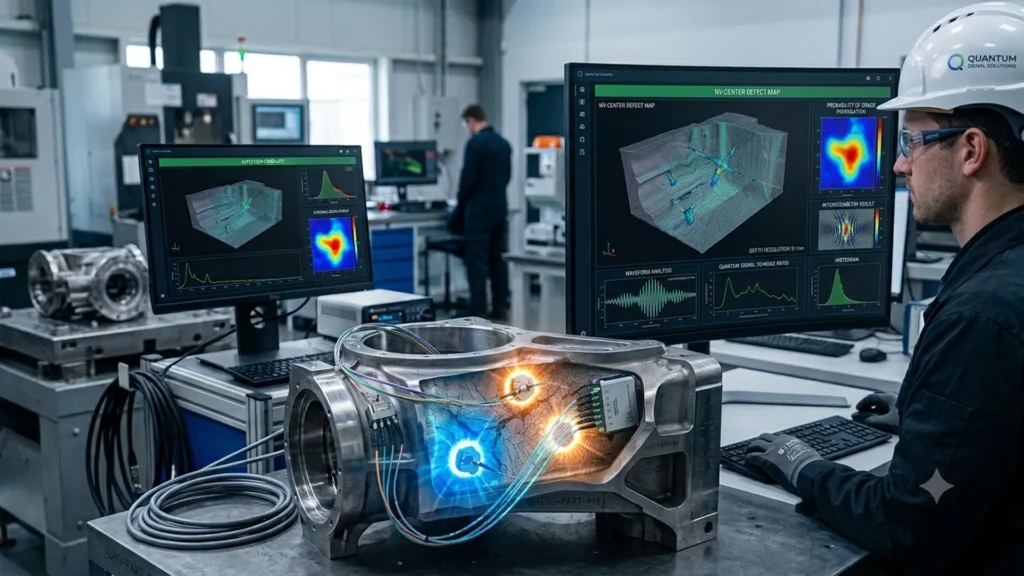
Explore the applications, benefits, and challenges of quantum sensors for detecting internal defects with greater accuracy.
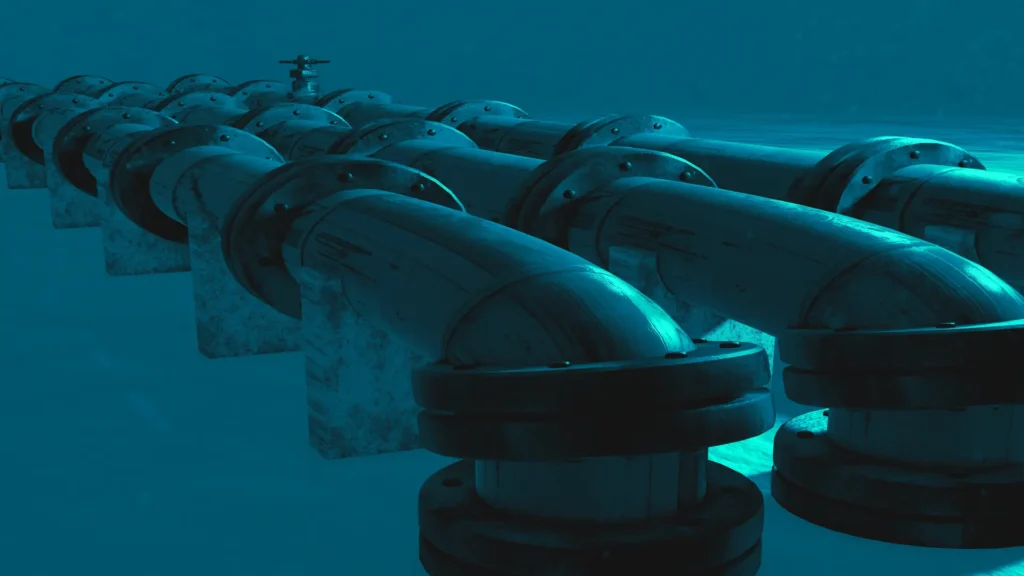
ILI technologies for assessing the integrity of non-piggable offshore pipelines safely and efficiently.

AI and APC are driving smarter, safer, and more efficient industrial operations.
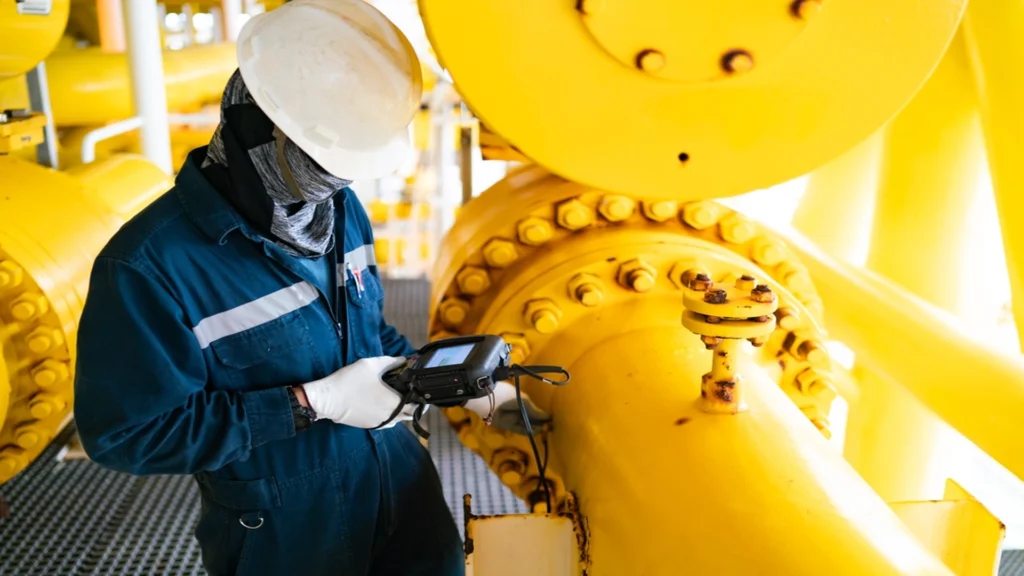
API 587 enhances UT examiner competency for detecting in-service damage and improving asset integrity programs.
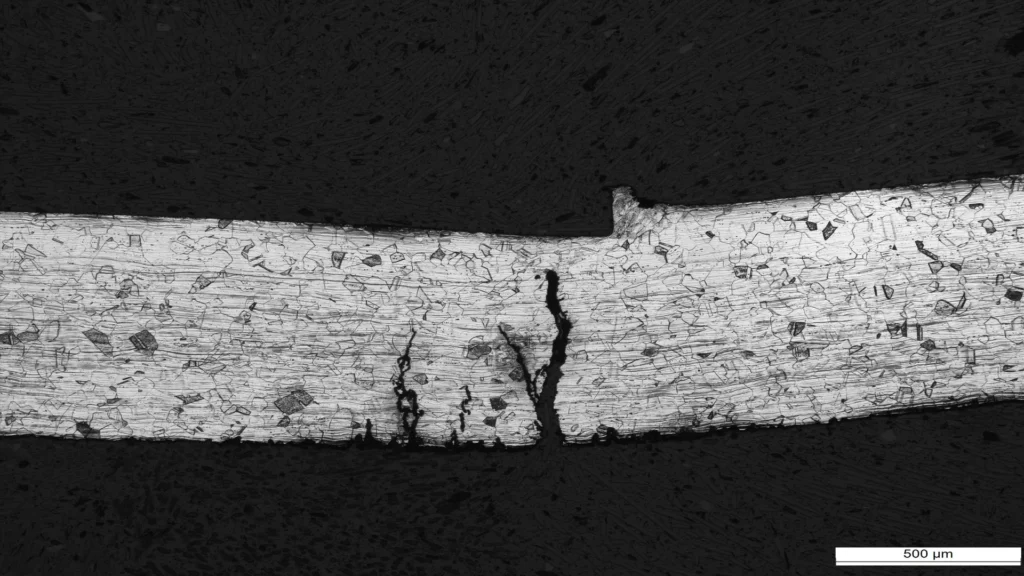
Brittle fracture can occur without warning. Discover its causes, operational risks, and effective methods for prevention.