
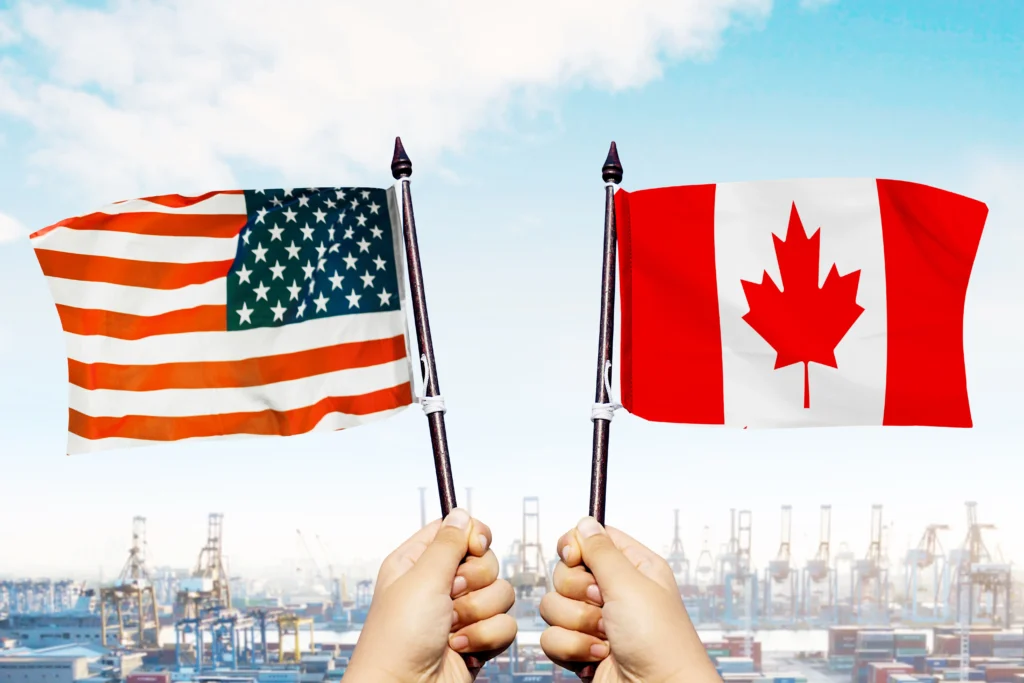
The U.S. can replace Canada’s resources, but it would pay a high price
Replacing Canada's resources would require the United States to expand production, infrastructure, and suppliers, with higher costs and longer lead times.
Replacing Canada's resources would require the United States to expand production, infrastructure, and suppliers, with higher costs and longer lead times.
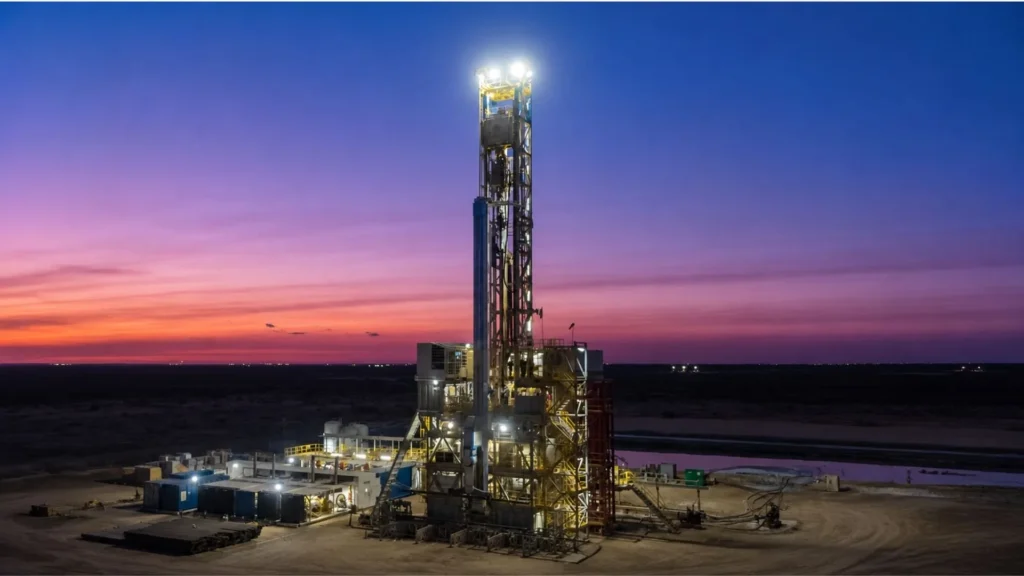
ExxonMobil will expand its robotic platforms in the Permian Basin to accelerate drilling, reduce risks and increase oil production.
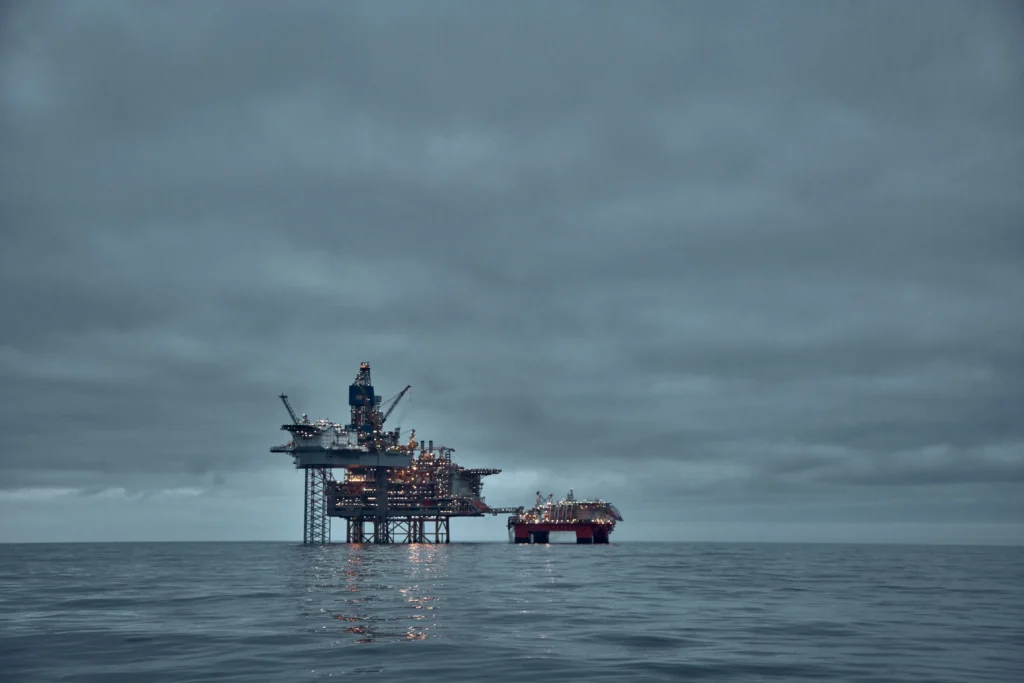
GOMsmart projects limited oil and gas losses as Edouard moves through the Gulf of Mexico toward Texas and Louisiana.
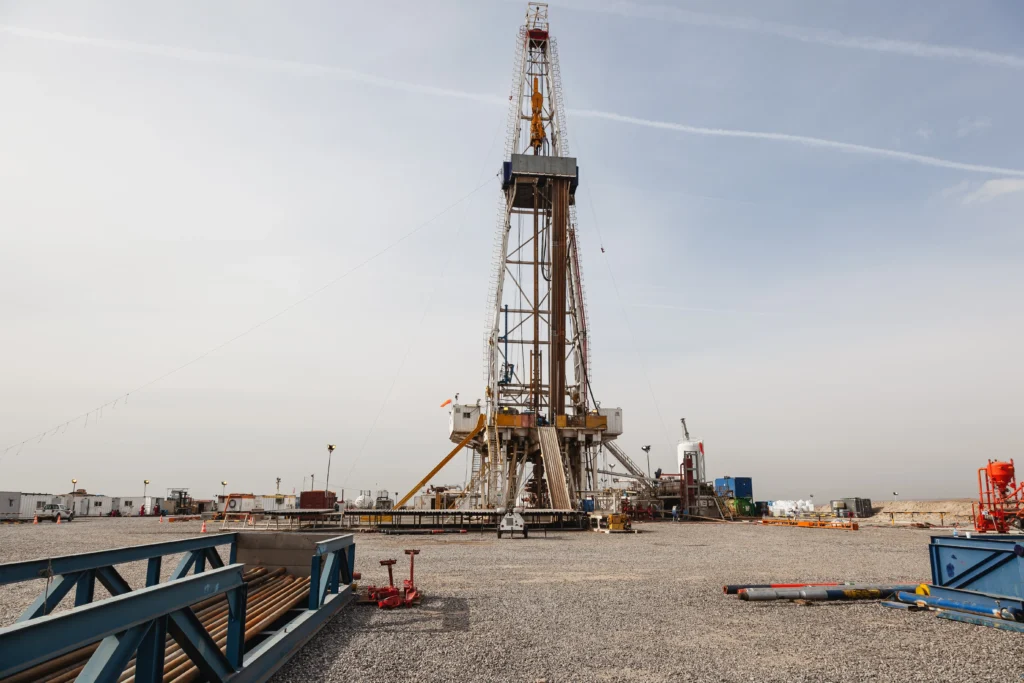
Ovintiv adds 240 wells and 41,000 net acres in Permian and Montney through acquisitions worth US$460 million.
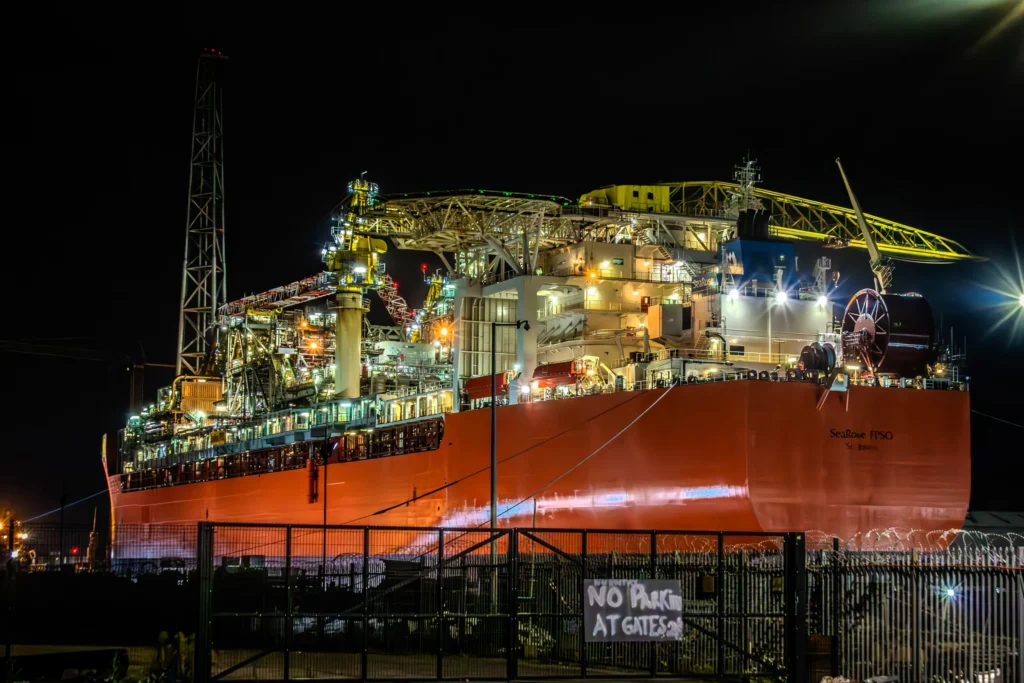
The FPSO P-80 and P-82 will contribute 450,000 barrels per day of capacity to Petrobras' oil development in Búzios.
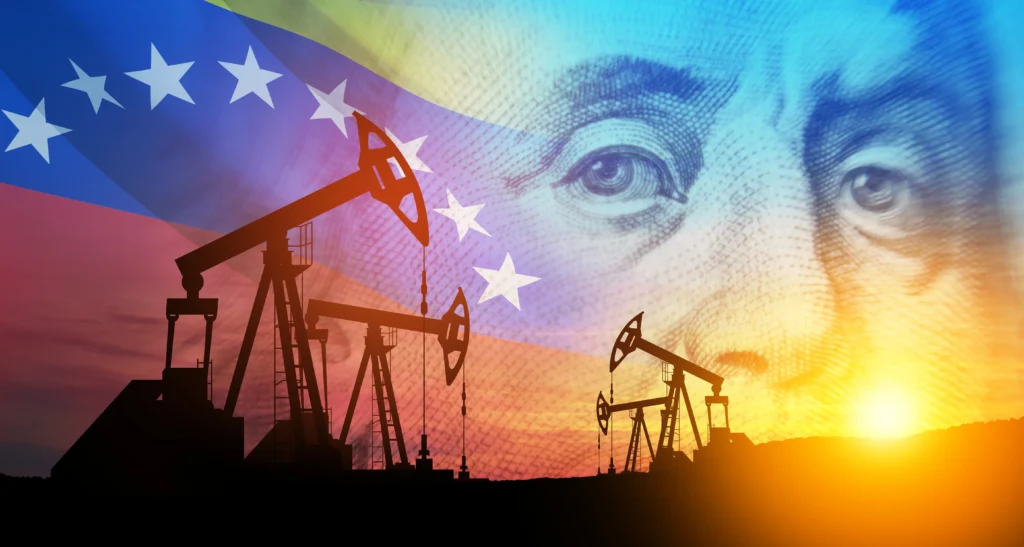
The United States is considering participating in Venezuelan oil fields through a possible lease of up to 100 years.
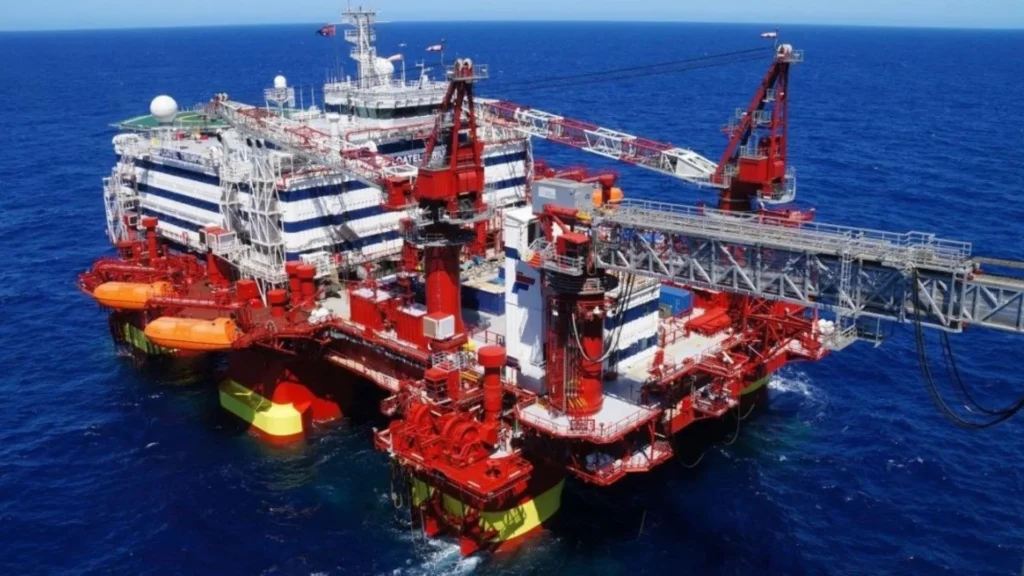
Floatel Triumph will provide offshore maintenance and security services in Brazil for a campaign of up to eight months.
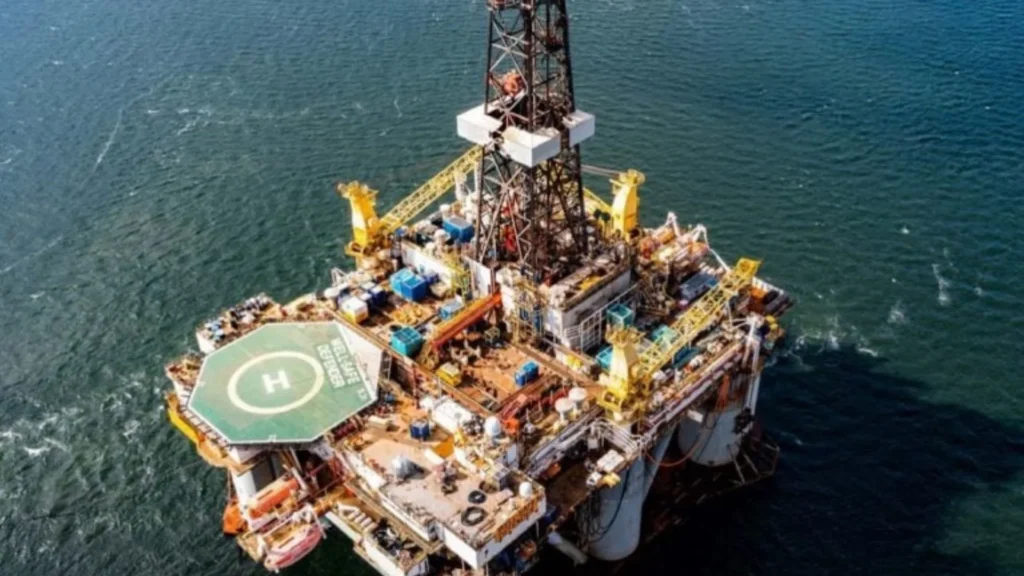
Well-Safe and NMC Energy will integrate subsea, platform and well services for offshore decommissioning projects in the North Sea.
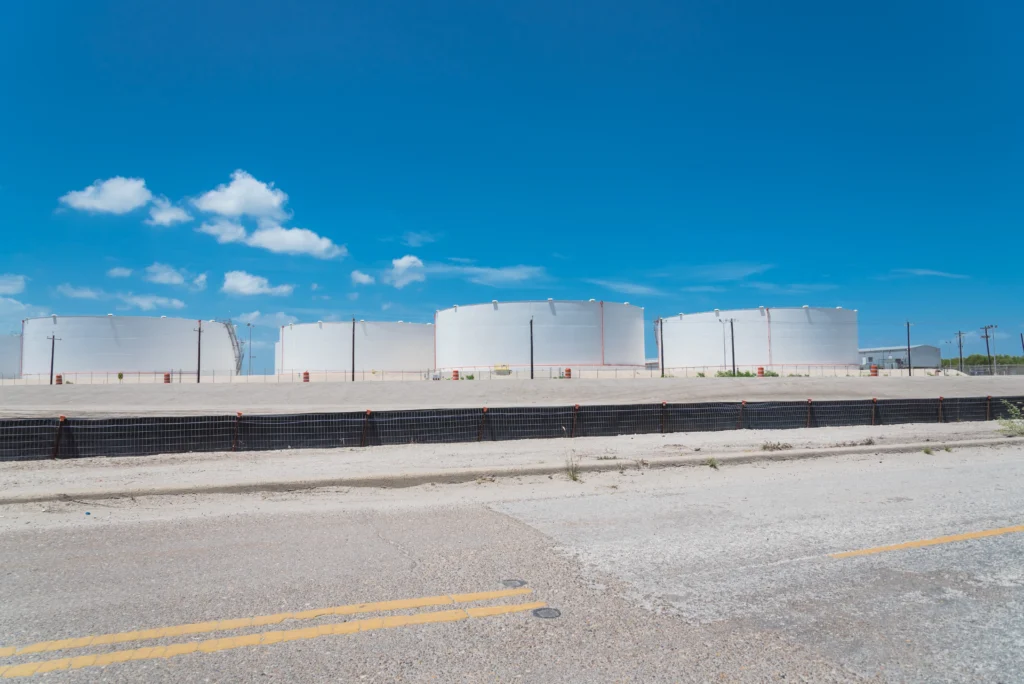
Enbridge will invest US$600 million to add crude oil collection infrastructure and strengthen its export chain from the Permian Basin.
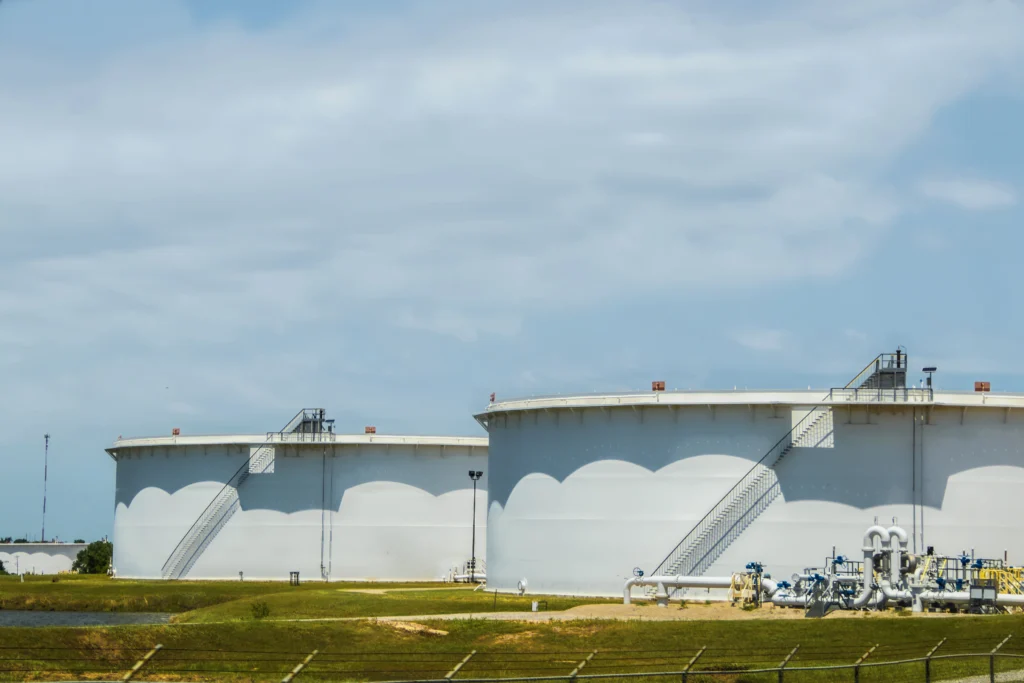
The EIA reported a slight increase in US crude and more pronounced declines in gasoline and distillate stockpiles.
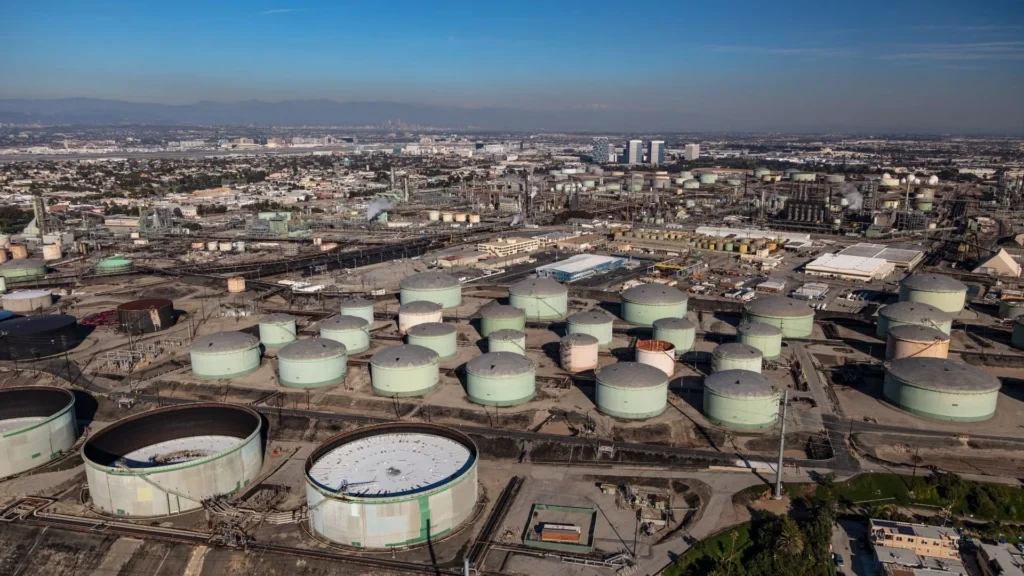
Diesel reaches $5.58 per gallon in the United States as refining restrictions reduce global supply.
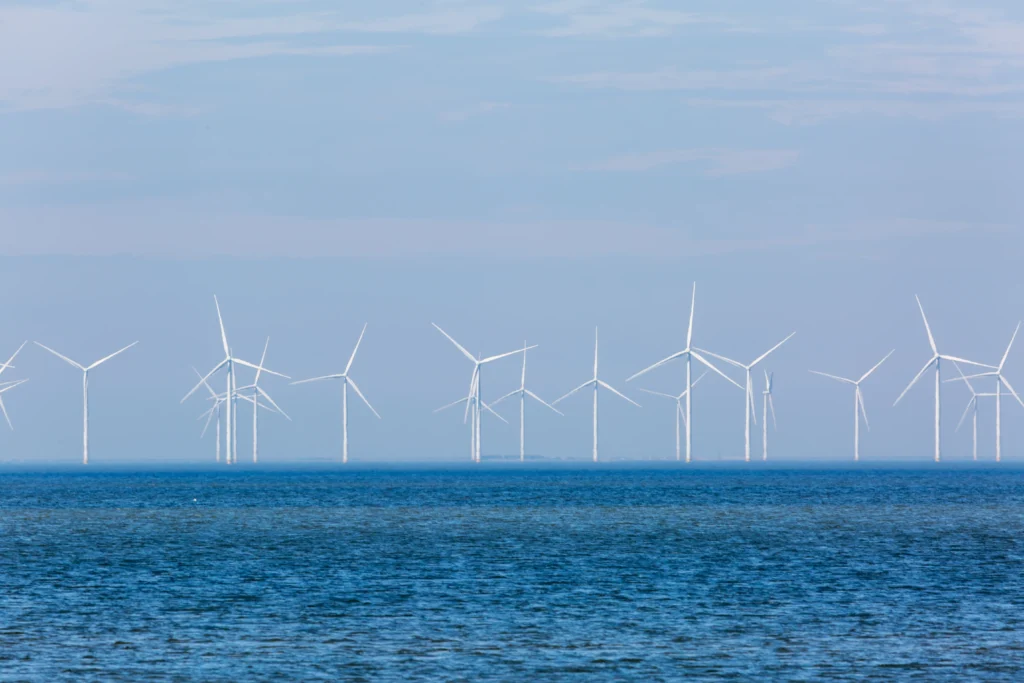
TEPCO has begun the environmental assessment of an offshore wind farm of up to 420 MW off the coast of Choshi, Japan.