
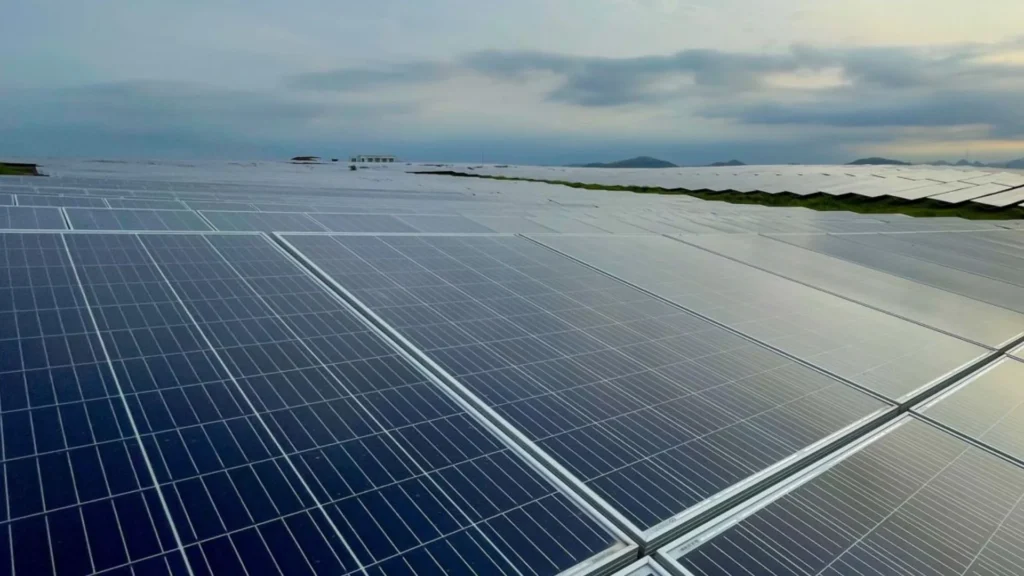
Shell Sells Sprng Energy Group to Aditya Birla Renewables for $1.8 Billion
The oil company optimizes its asset portfolio with a view to improving profitability toward 2030 and refocusing its capital investments.
The oil company optimizes its asset portfolio with a view to improving profitability toward 2030 and refocusing its capital investments.
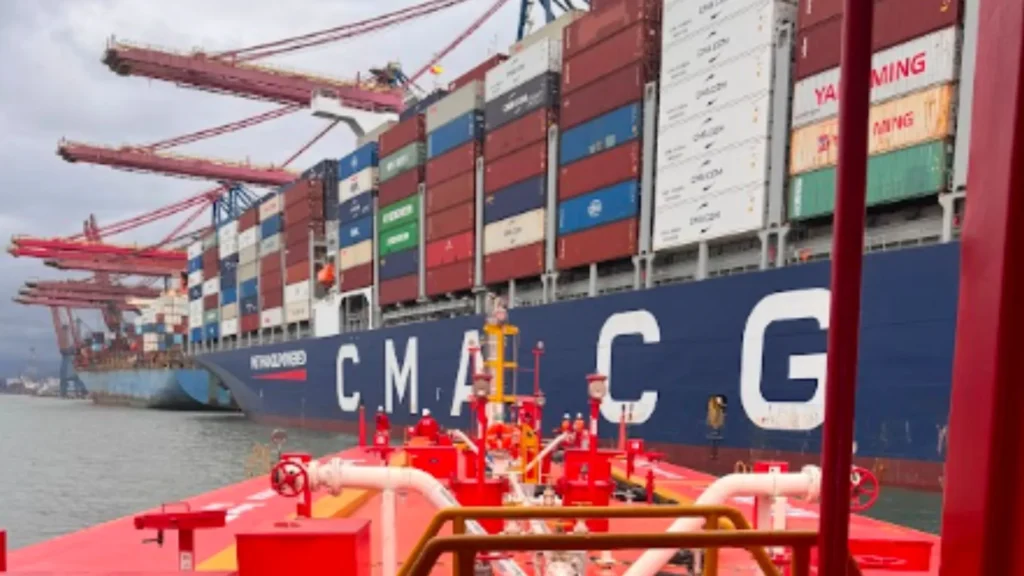
The operation carried out at the Port of Santos demonstrates the technical feasibility of ethanol as a real alternative for global maritime decarbonization.
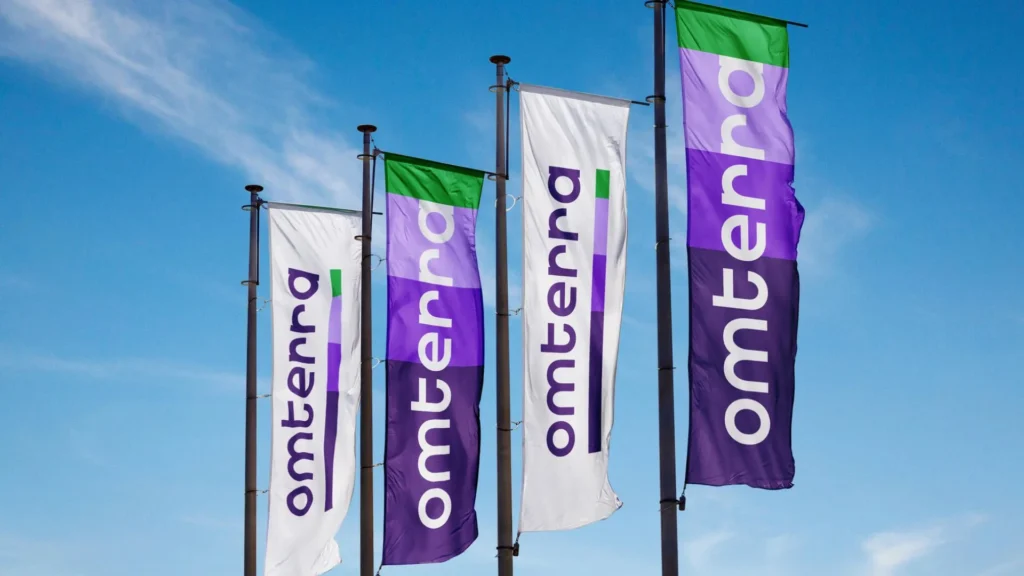
Siemens Energy is beginning its brand transition to Omterra. This identity will unify Siemens Gamesa within the energy technology sector.
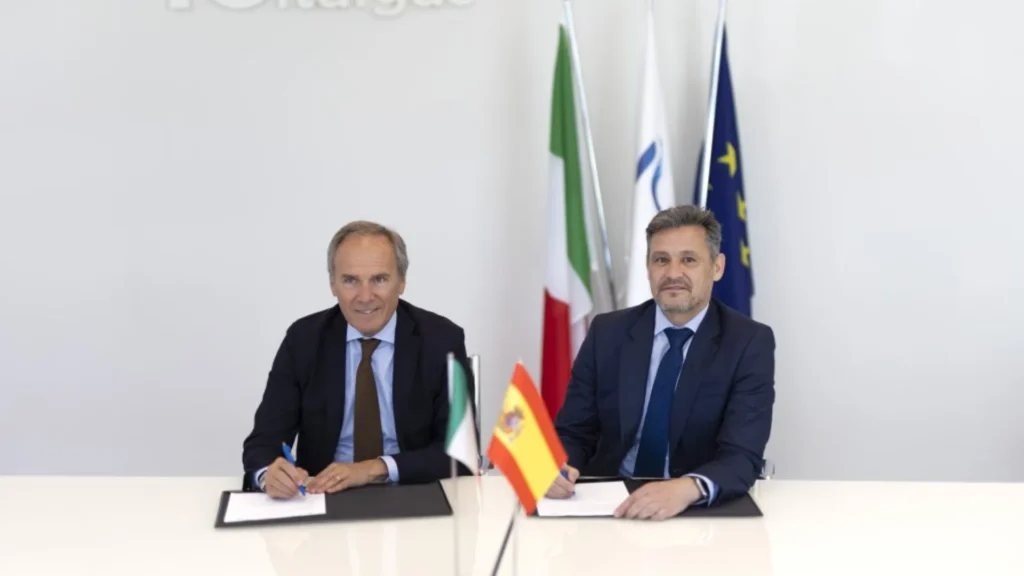
Both gas distribution companies formalize an agreement in Turin to integrate biomethane and apply artificial intelligence in the European energy supply.
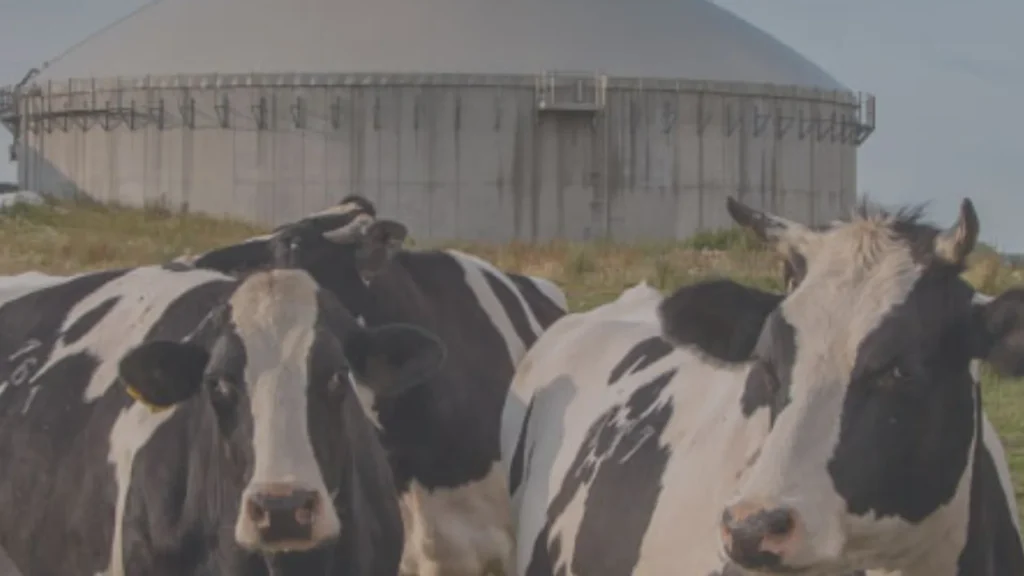
The energy multinational introduces a comprehensive industrial structure that already manages 17 advanced projects to transform organic waste into renewable gas.
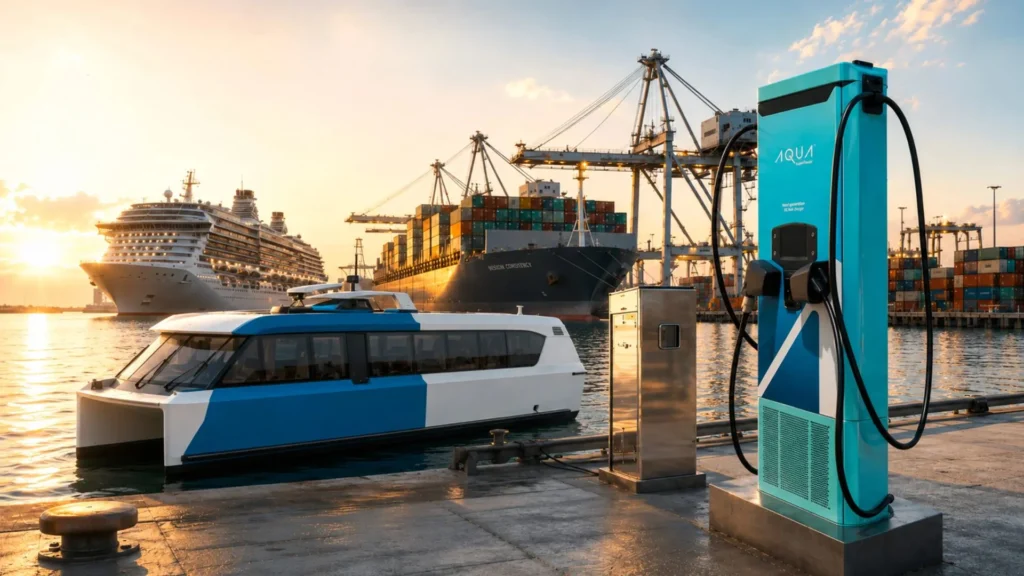
The strategic alliance brings together the largest marine charging network with the infrastructure development model to drive decarbonization in the maritime sector.
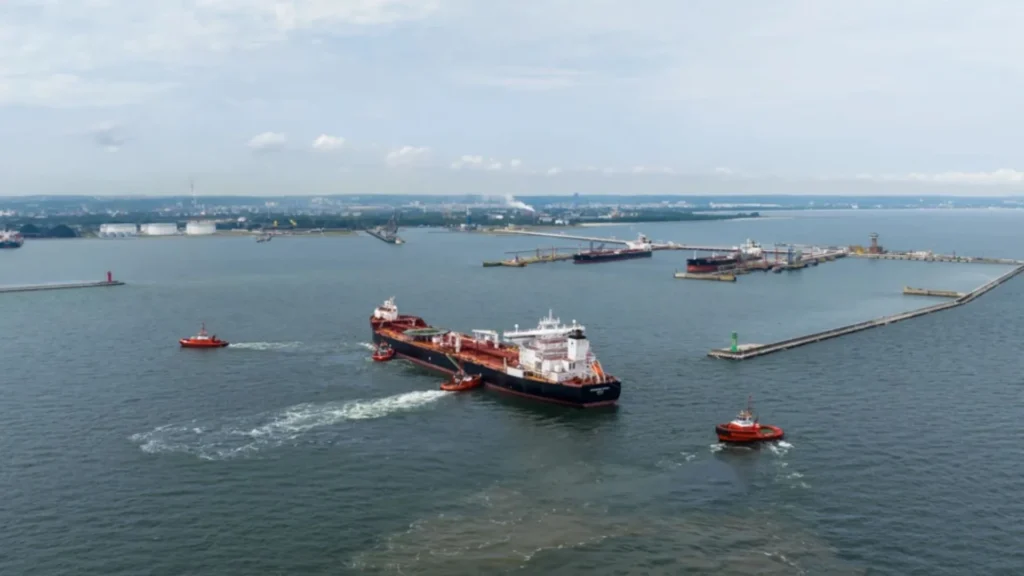
Unimot Paliwa subsidiary manages the import of South American oil by sea to strengthen fuel stability in Central Europe.
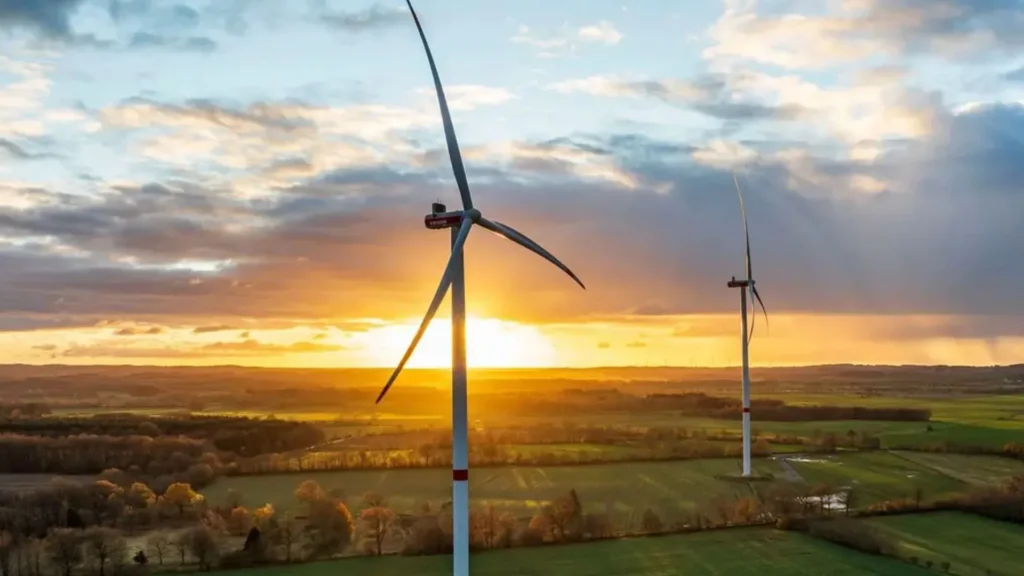
The German multinational was awarded the development of the Oinville-Saint-Liphard project in a highly competitive tender following the reactivation of energy auctions.
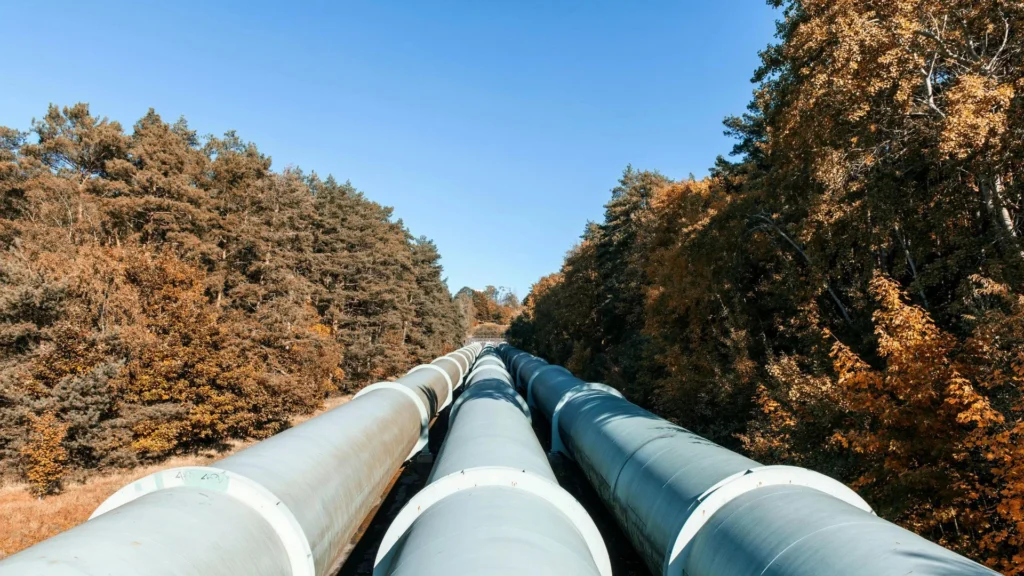
The Georgian government adopts a state management model for strategic infrastructure following the conclusion of Asian corporations' participation.
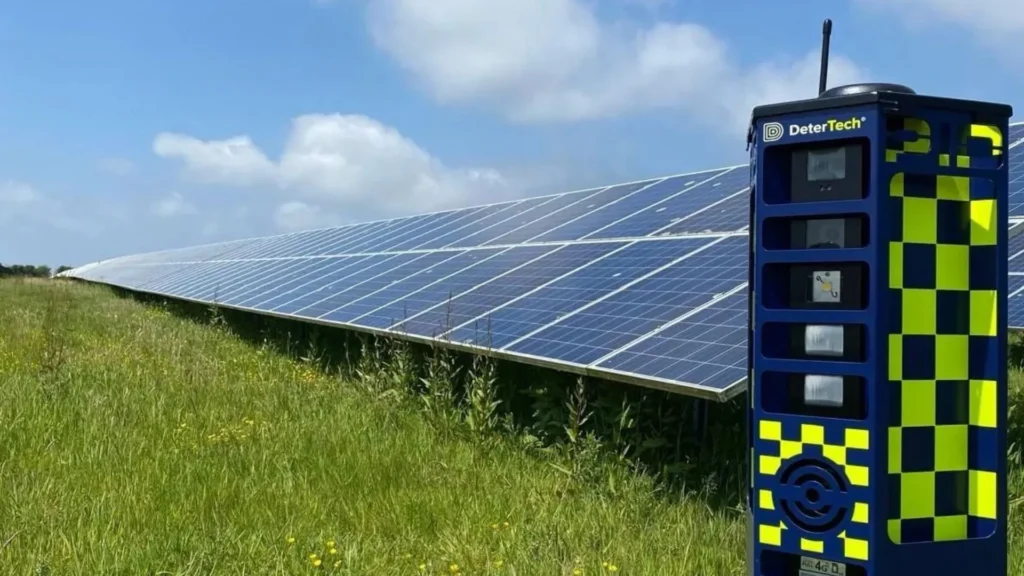
The 740-megawatt plant will supply clean energy to the UK and strengthen energy security against international gas volatility.

The agreement includes the delivery of two advanced vessels in August 2026 to strengthen Saudi Arabia's energy logistics corridor.
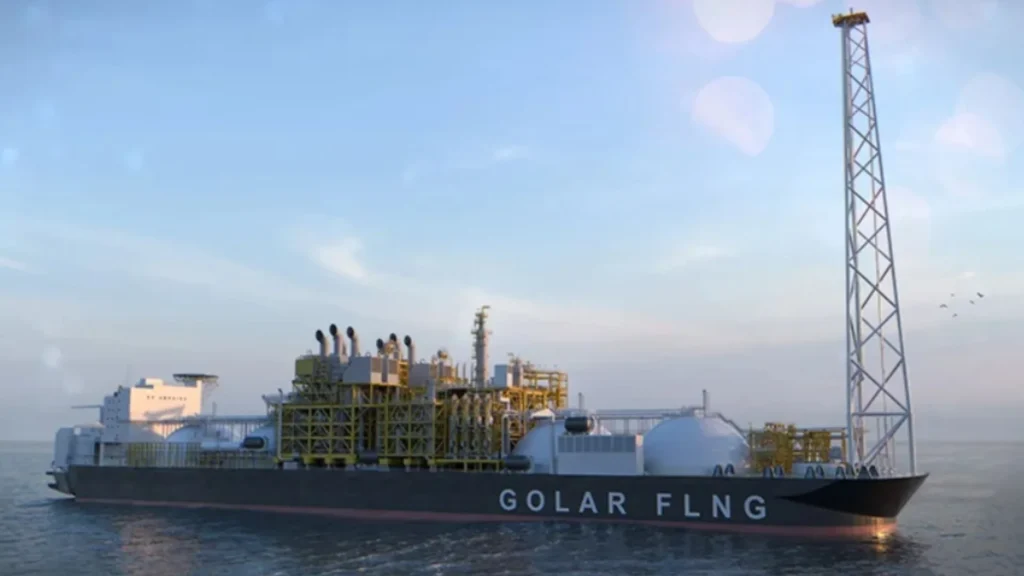
The award through competitive bidding consolidates the firm's presence in South America and expands its digital asset management solutions.