Table of Contents
- Historical background of CCS
- How does carbon capture and storage work?
- Injection and geological storage
- Contemporary relevance of CCS
- A recent example: Safe and permanent storage in australia
- Safety, monitoring, and public perception
- The future of CCS: Expansion, innovation, and challenges
- Conclusion
- References
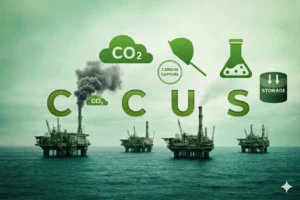
At various environmental summits and conferences, decarbonization has emerged as an urgent priority. To address this challenge, governments and institutions have developed policies and regulations aimed at reducing greenhouse gas emissions. Carbon Capture and Storage (CCS) has evolved from an experimental concept into a strategic tool for sectors that are difficult to decarbonize. It is one of the most significant technologies in the fight against climate change, designed to prevent carbon dioxide (CO₂) emitted by industrial activities from reaching the atmosphere by storing it safely and permanently in deep geological formations.
Historical background of CCS
At first glance, CCS may seem like a recent innovation. However, its roots can be traced back to the mid-twentieth century. The oil industry pioneered the injection of CO₂ into underground formations, initially for enhanced oil recovery purposes. A brief historical overview illustrates this development: during the 1970s, U.S. companies began injecting CO₂ into depleted oil reservoirs to increase pressure and extract additional crude oil (Global CCS Institute, 2023). As we can see, the objective was not environmental but rather focused on resource optimization and improved production efficiency. Nevertheless, through decades of practical experience, this practice demonstrated that CO₂ could be stored safely for extended periods.
The first large-scale project specifically designed to capture and store CO₂ was the Sleipner project operated by Equinor in the North Sea. In 1996, Norway began injecting approximately one million tons of CO₂ per year into a deep saline aquifer (IEA, 2022). Today, Sleipner has permanently stored more than 23 million tons of CO₂, making it a global benchmark and demonstrating that geological storage is viable under an appropriate regulatory framework.
In reality, the original motivation behind the project was largely economic, even if its public justification emphasized environmental benefits. The natural gas extracted from the field contains approximately 9% CO₂, which must be reduced to 2.5% before commercialization. Rather than releasing the CO₂ into the atmosphere and paying Norway’s substantial carbon taxes, operators chose to separate and inject it beneath the seabed. Due to its success in meeting environmental regulations, CCS evolved from isolated projects into a growing global network of industrial facilities.
According to a 2023 report by the Global CCS Institute, more than 40 commercial-scale CCS projects were operating worldwide, with a combined storage capacity exceeding 49 million tons of CO₂ annually. While this is a significant figure, it remains small compared to global requirements. The International Energy Agency estimates that, to meet climate goals, the world must store at least 1.2 billion tons of CO₂ annually by 2050 (IEA, 2021).
How does carbon capture and storage work?
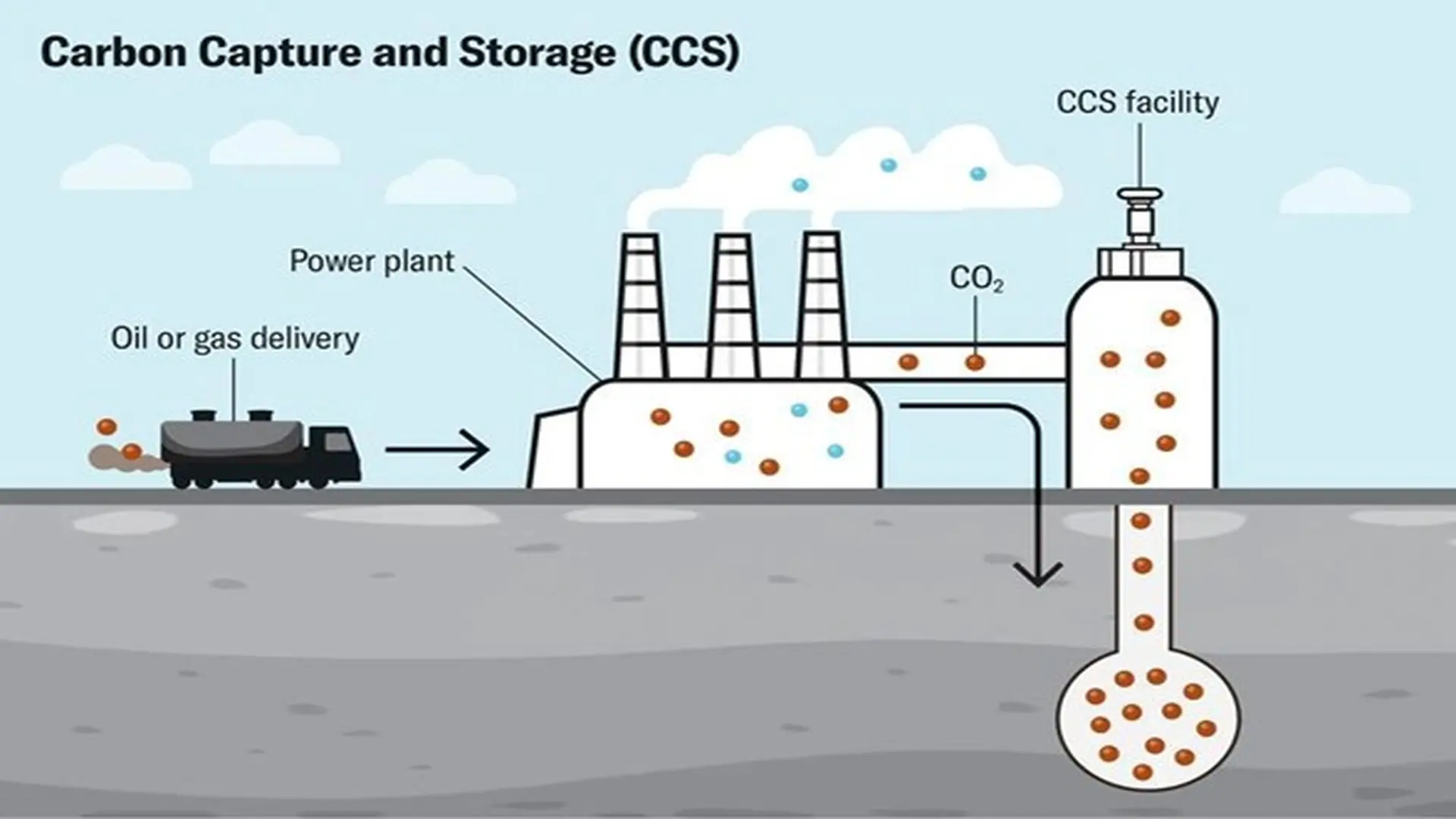
CO₂ is captured from industrial operations, compressed into a liquid-like state, and injected deep underground into porous rock formations that previously contained hydrocarbons. There, it becomes naturally trapped beneath impermeable rock layers that act as seals. Over time, part of the CO₂ mineralizes and becomes permanently fixed within the geological formation.
The CCS process consists of three main stages: capture, transportation, and geological storage. Each stage involves specialized technologies and rigorous safety controls.
CO₂ capture
Carbon capture can be achieved through three primary methods:
Post-combustion capture involves separating CO₂ from flue gases using chemical solvents. This is the most commonly used method in existing industrial facilities.
Pre-combustion capture involves gasifying fuel to produce hydrogen and CO₂, with the CO₂ separated before combustion occurs.
Oxy-fuel combustion involves burning fuel in pure oxygen, producing a highly concentrated stream of CO₂.
Capture rates typically range from 85% to 95%, depending on the technology employed and the purity requirements of the application (IEA, 2022).
CO₂ transportation
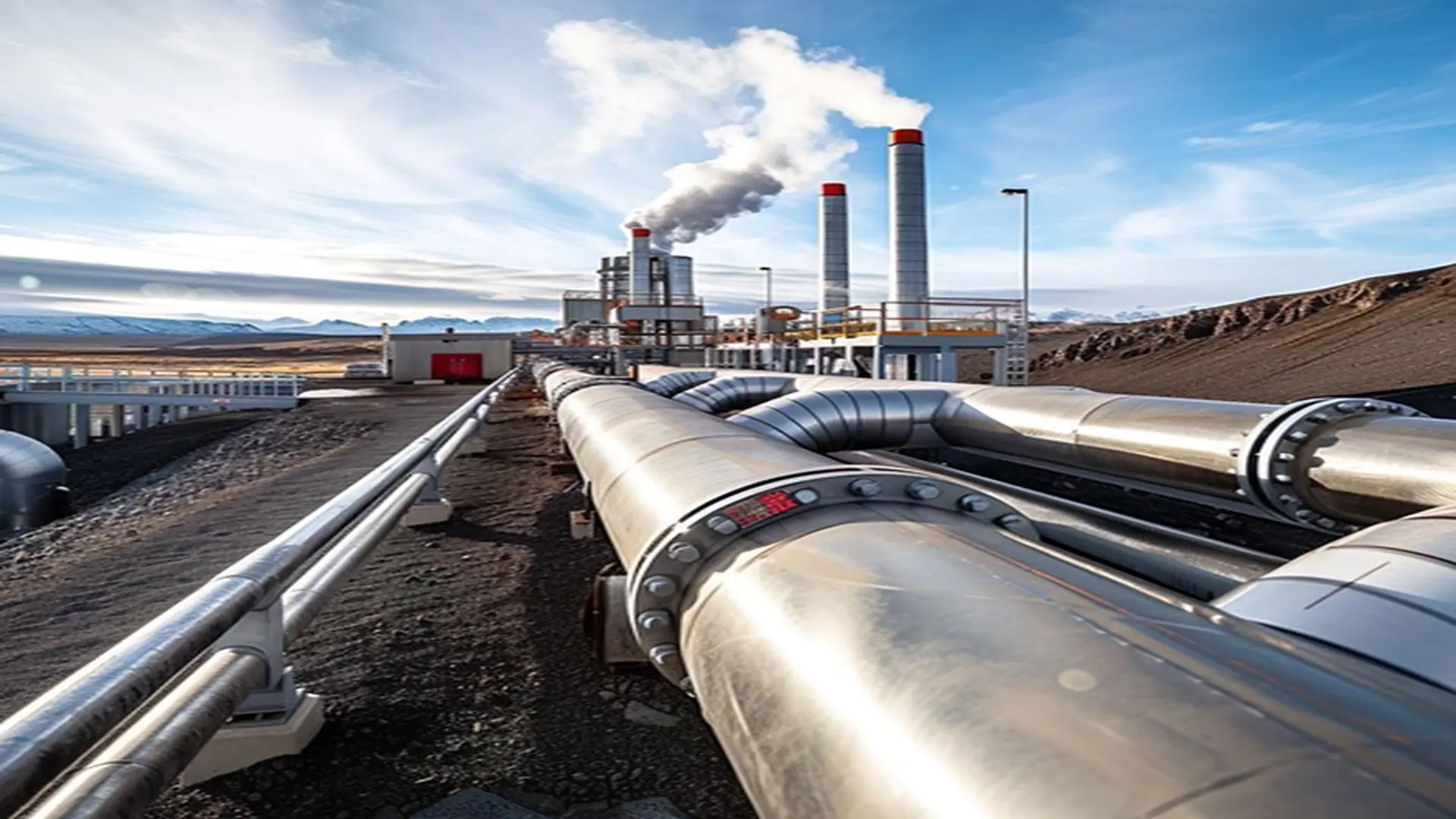
Once separated, how is the CO₂ transported? To facilitate transportation, CO₂ is compressed into a supercritical fluid. It can then be transported through pipelines, trucks, or ships. In regions with developed infrastructure, CO₂ pipeline networks can extend hundreds of kilometers. In the United States, for example, more than 8,000 kilometers of pipelines are dedicated to CO₂ transportation (U.S. DOE, 2023).
Injection and geological storage
Compressed CO₂ is injected at depths greater than 800 meters, where pressure and temperature conditions maintain it in a supercritical state. The primary storage formations include depleted oil and gas reservoirs, deep saline aquifers, and unmineable coal seams.
Storage security is ensured through several mechanisms:
- Structural trapping: Impermeable rock layers act as seals that prevent upward migration of CO₂.
- Residual trapping: CO₂ becomes trapped within the microscopic pores of the rock.
- Dissolution trapping: CO₂ dissolves into subsurface saline water.
- Mineral trapping: CO₂ reacts with minerals to form stable carbonate compounds.
This final mechanism may take decades or even centuries, but it ultimately ensures permanent storage.
Contemporary relevance of CCS
CCS has become a critical tool for achieving global climate objectives. According to the IPCC, “Without CCS, the cost of global decarbonization would increase by as much as 138%” (IPCC, 2022). This is largely because certain industrial sectors cannot be easily electrified.
Furthermore, CCS enables reductions in process-related emissions, not just combustion emissions. It supports the production of blue hydrogen as a lower-emission energy source. It can also generate carbon credits that encourage investment and facilitate the development of third-party storage services, creating new economic opportunities and markets.
A recent example: Safe and permanent storage in australia
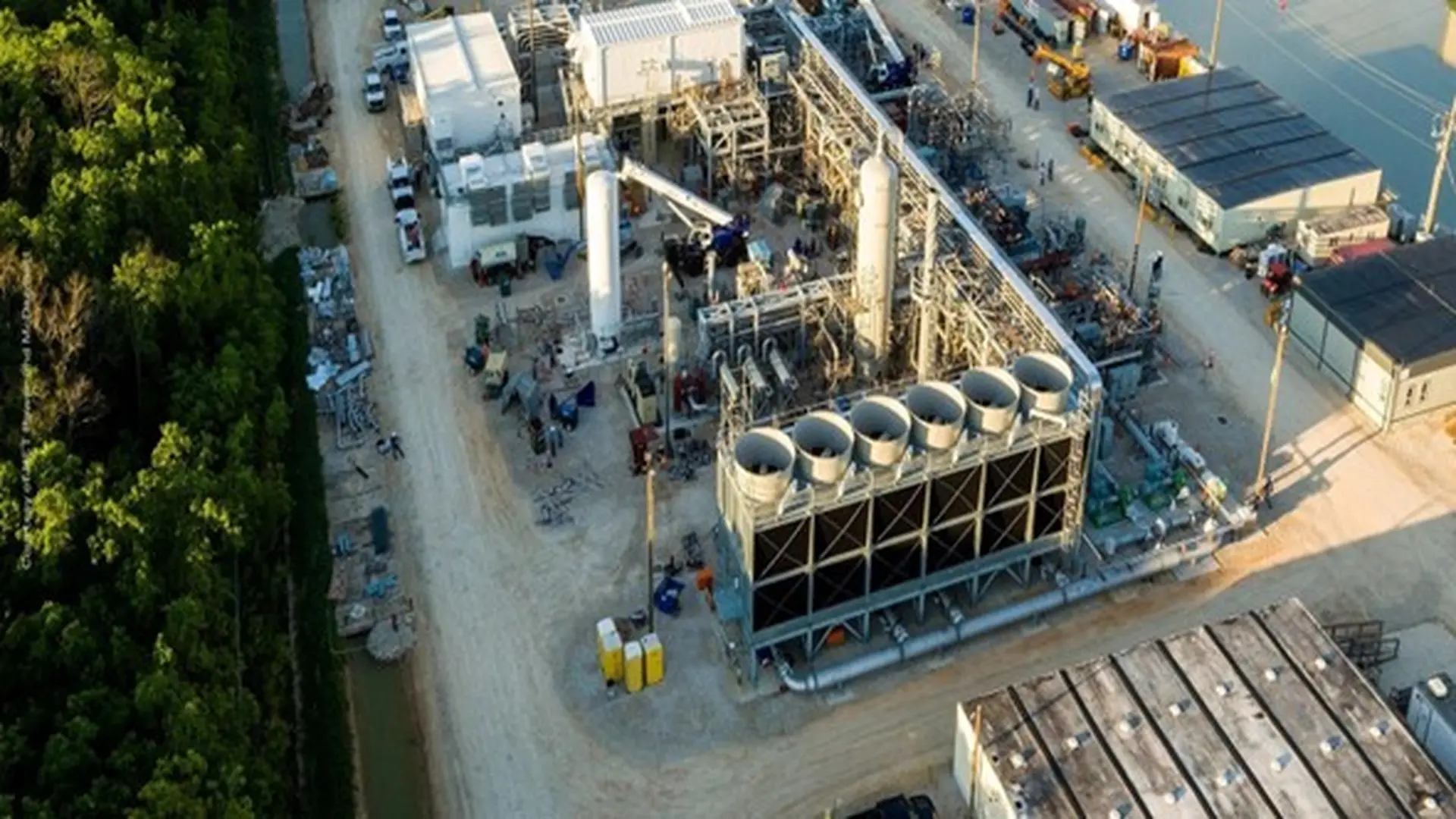
According to the official Moomba CCS project website, in just over 18 months of operation, the facility has stored two million tons of CO₂ equivalent in deep geological formations within the Cooper Basin of South Australia (Santos, 2025). This milestone is significant for several reasons. It demonstrates that onshore storage can be implemented at large scale. It confirms the resilience of infrastructure even under extreme weather conditions such as flooding. It also validates the effectiveness of deep saline aquifers as secure storage reservoirs and contributes significantly to the country’s emissions reduction framework.
The project has also received more than 1.19 million Australian Carbon Credit Units (ACCUs), demonstrating its integration into national carbon markets.
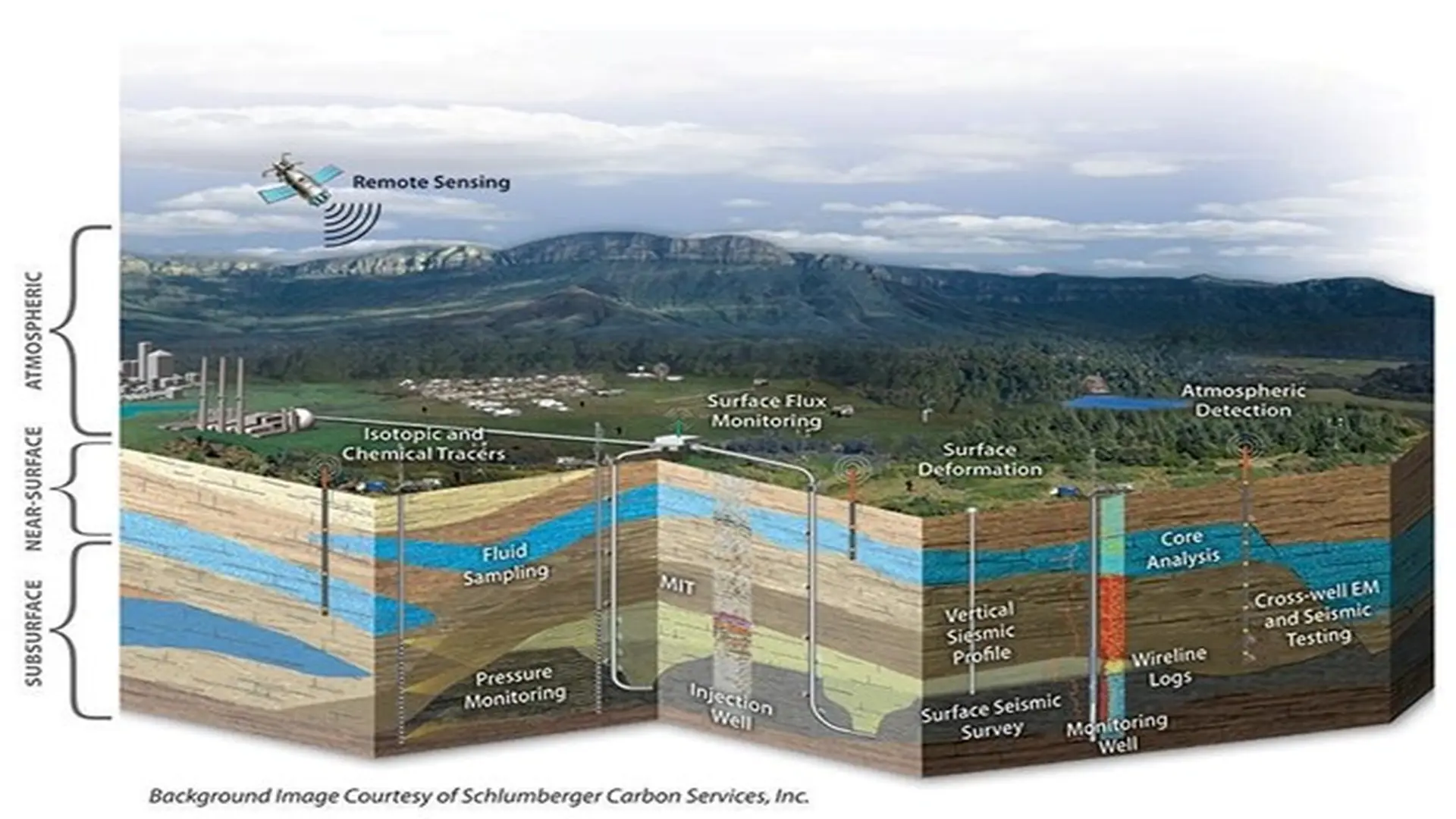
Modern CCS projects employ continuous monitoring technologies to ensure storage integrity
Safety, monitoring, and public perception
One of the most debated aspects of CCS is safety. However, scientific evidence indicates that deep geological storage is highly secure when conducted according to appropriate standards. Modern projects typically include:
- Seismic monitoring,
- Pressure and temperature sensors,
- Three-dimensional geological modeling,
- Satellite surveillance,
- Observation wells,
- Independent verification.
The Global CCS Institute (2023) reports that there is no evidence of significant leakage in properly designed projects. Furthermore, studies from Stanford University estimate that the probability of a major leakage event is less than 0.01% over thousands of years (Celia & Nordbotten, 2009).
Nevertheless, CCS faces challenges that are often more social than technical. One of the most important is public perception. Some critics argue that CCS prolongs dependence on fossil fuels, while others consider it indispensable for achieving net-zero emissions. The current scientific consensus is that CCS does not replace the energy transition but rather complements it, particularly in industries where viable alternatives are not yet available.
The future of CCS: Expansion, innovation, and challenges
The future of CCS will depend on three key factors:
Global Scale-Up
To meet climate objectives, global storage capacity must increase by a factor of twenty-five over the next twenty-five years (IEA, 2021). Achieving this goal will require massive investments in infrastructure, regulatory frameworks, and workforce development.
Technological innovation
Several emerging technologies are expanding the possibilities of CCS:
- Direct Air Capture (DAC),
- Accelerated mineralization,
- Basalt storage,
- Advanced solvent-based capture systems,
- Carbonation reactors.
Although currently expensive, Direct Air Capture could enable negative emissions, a critical component for offsetting residual emissions from hard-to-abate sectors.
Regulatory and economic frameworks
Fiscal incentives, such as the U.S. 45Q tax credit, have stimulated a wave of new CCS projects. Meanwhile, the European Union is developing a cross-border carbon storage network. Australia, according to its regulatory authorities, possesses one of the world’s largest geological storage potentials.
Conclusion
Carbon Capture and Storage has become an indispensable tool for global decarbonization. Its evolution from mid-twentieth-century industrial practices to modern projects capable of storing millions of tons of CO₂ demonstrates its technological maturity. Although CCS is not a standalone solution, it complements other climate strategies and enables emissions reductions in sectors where viable alternatives do not yet exist. Scientific evidence supports its safety, and recent developments—such as those reported in Australia—confirm its potential to contribute significantly to international climate goals. In a world seeking to balance economic development with sustainability, CCS represents a strategic opportunity to build a cleaner and more resilient future.
References
- Celia, M., & Nordbotten, J. (2009). Practical modeling approaches for geological storage of carbon dioxide. Hydrogeology Journal, 17(1), 1–15.
- Global CCS Institute. (2023). Global Status of CCS 2023. https://www.globalccsinstitute.com
- International Energy Agency (IEA). (2021). Net Zero by 2050: A Roadmap for the Global Energy Sector. https://www.iea.org
- International Energy Agency (IEA). (2022). CCUS in Clean Energy Transitions. https://www.iea.org
- Santos. (2025). Moomba CCS project achieves historic emissions reduction milestone. https://www.santos.com/news/moomba-ccs-project-achieves-historic-emissions-reduction-milestone/
- U.S. Department of Energy (DOE). (2023). Carbon Capture, Utilization, and Storage. https://www.energy.gov