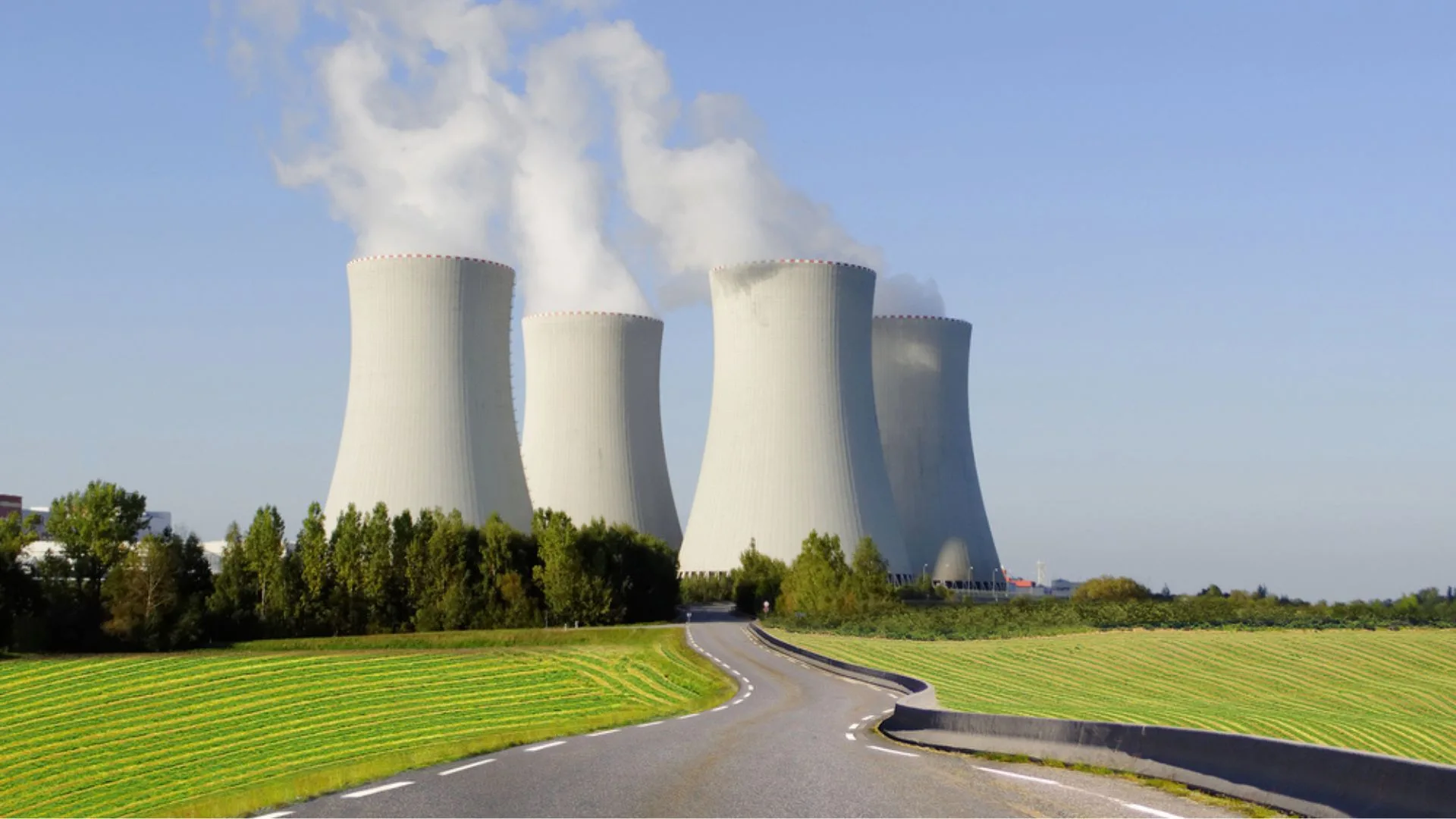
Vattenfall announced on June 15, 2026 that it selected Rolls-Royce SMR to develop three SMR reactors in Sweden, marking the country’s first major nuclear expansion program in more than four decades.
The three units, each 470 MW, will add up to a total capacity of 1,410 MW, with an estimated annual output of approximately 12 TWh.
The project marks a turning point in Swedish energy policy, which for years had maintained a cautious stance toward nuclear power.
Vattenfall to expand nuclear capacity in Sweden
The selection of Rolls-Royce SMR was confirmed after a competitive process that included several modular technology providers. Reuters reported that Vattenfall will sign a development agreement with Rolls-Royce to build the three units on Swedish soil.
Each Rolls-Royce SMR reactor has a capacity of 470 MW, placing the project above the usual 300–400 MW standard that characterizes most SMR designs in Europe.
The estimated annual output of 12 TWh would be equivalent to covering the electricity consumption of approximately 2.4 million Swedish households, according to calculations based on the national average consumption.
This announcement came just six months after Vattenfall requested state support for new nuclear reactors, in a move Reuters described as a strategic shift by the Swedish state-owned company.
Rolls-Royce SMR nuclear reactors
The Rolls-Royce SMR design is a factory-built pressurized water reactor (PWR) that is transported to the site for assembly, reducing construction times compared with conventional reactors.
At 470 MW per unit, the Rolls-Royce reactor occupies a niche between lower-capacity SMRs and large-scale reactors, offering flexibility for integration into mid-sized power grids.
The British company has developed the design for more than a decade, with an advanced licensing program in the United Kingdom and ongoing regulatory assessments in other European markets.
The annual production of 12 TWh from the three units represents approximately 8% of Sweden’s total electricity generation, according to data from the Swedish Energy Agency.
Implications for the nuclear industry and the European SMR market
Vattenfall’s decision positions Sweden as one of the most active markets in Europe for small modular reactors, alongside France, Poland, and the United Kingdom.
For the asset integrity industry, the deployment of SMRs in Sweden creates new demand for non-destructive inspection, materials management, and predictive maintenance in nuclear environments.
Europe’s decarbonization context is driving this type of investment: the European Commission has included nuclear energy in its green taxonomy, and several Member States have announced nuclear expansion programs to meet the 2030 and 2050 climate targets.
The request for state support submitted by Vattenfall in December 2025, reported by Reuters, laid the regulatory and financial groundwork for this type of project, marking a shift in Swedish public policy toward nuclear power.
The agreement with Rolls-Royce, confirmed on June 15 according to Reuters, strengthens the British manufacturer’s position as one of the best-placed SMR suppliers in the European market.
Vattenfall’s nuclear expansion also has implications for the nuclear energy and its advantages sector, especially in terms of security of supply and CO2 emissions reductions in the European power sector.
As decarbonization programs advance in Europe, integrating SMRs into Sweden’s energy mix reinforces the case for the importance of energy security as a central component of continental industrial policy.
Source: Vattenfall AB via Public.
Photo: Shutterstock