Table of Contents
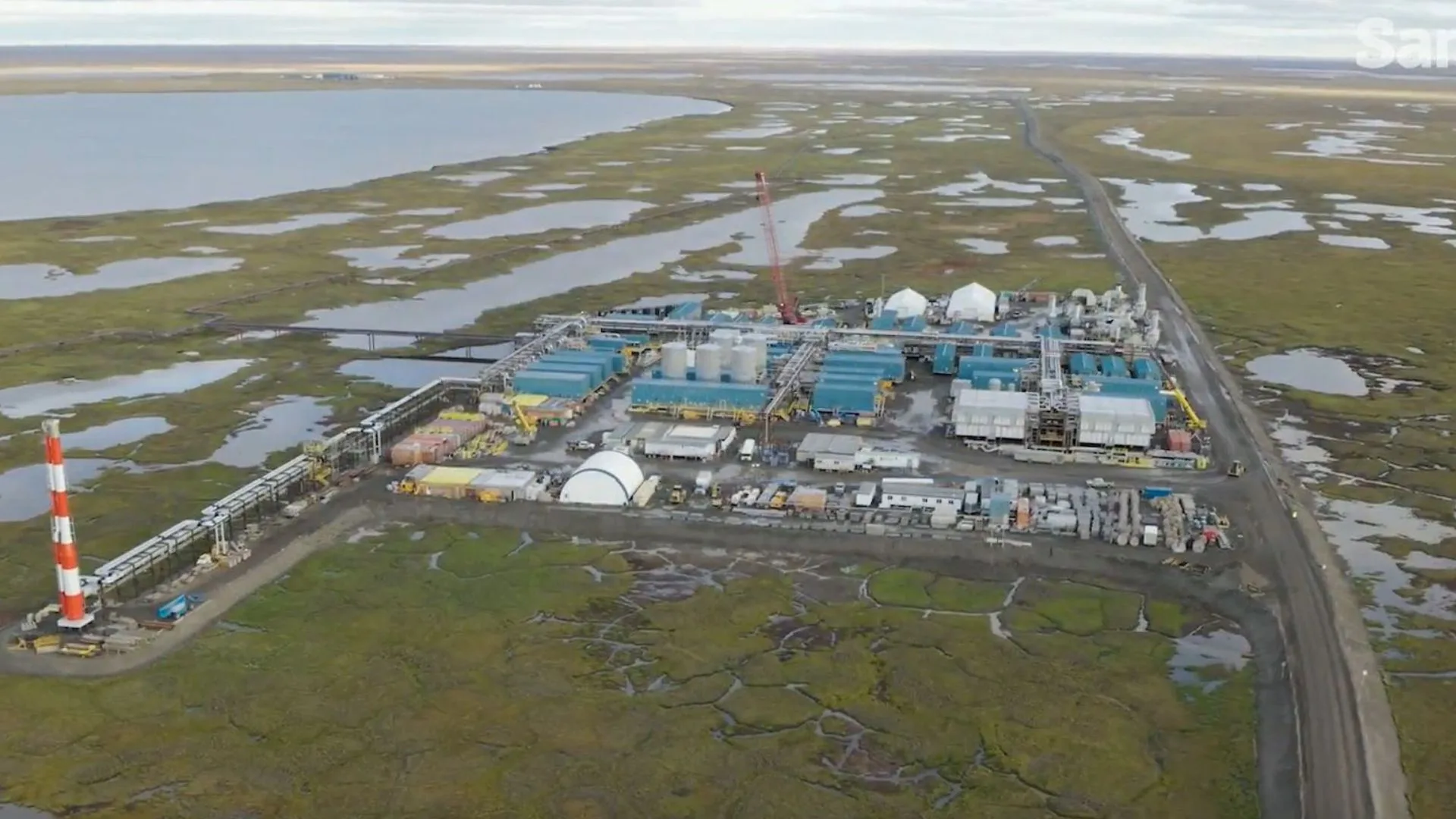
The company Santos has commenced regular extraction operations in Phase 1 of the Pikka field. The initial wells are currently active and are recording a gross volume of approximately 20,000 barrels of crude oil per day.
Progress on the Pikka project on Alaska’s North Slope
In order to optimize resource recovery, the technical management team will implement a pressure-maintenance plan through seawater injection over the coming weeks. This technical process will precede the gradual integration of new producing wells in the intervention area.
According to the organization’s official schedule, the main expectation is to reach a peak output of 80,000 barrels per day in the third quarter of 2026. This initial stage includes the development of 400 million barrels of gross proved and probable reserves (2P).
Moreover, long-term commercial viability is supported by an additional 600 million barrels in gross contingent resources (2C). This volume ensures the asset’s sequential development beyond the limits set for this first phase in the Pikka Unit. Likewise, the operating design ensures cost efficiency and long-term financial sustainability.
In an official statement, Santos CEO Kevin Gallagher noted that the continuity of the work represents a significant step toward consolidating the infrastructure’s full capacity before the end of the current year. Financial estimates suggest that the cash flow generated by the activity will strengthen dividends for investors.
In line with these statements, the economic benefits of crude oil production directly impact Santos, Repsol, the State of Alaska, and local Native corporations. The competitive cost structure positions this operation as a highly profitable asset that will support regional economic stability through royalties, employment, and transparent investment returns.
Source and photo: Santos