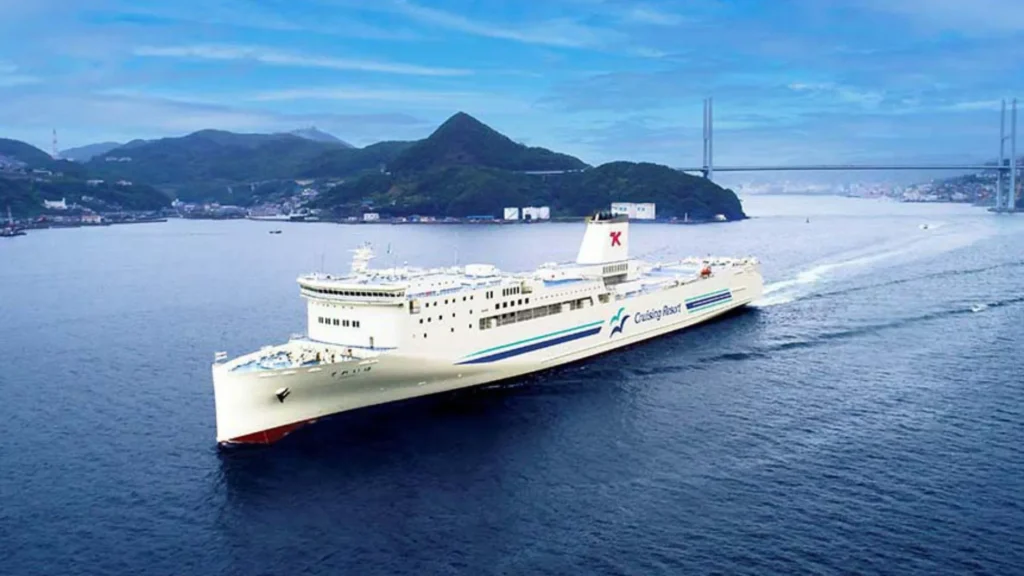
The International Maritime Organization (IMO) formally adopted the International Code of Safety for Maritime Autonomous Surface Vessels (MASS Code) during the closing of the 111th session of the Maritime Safety Committee in London. This new international regulatory framework has as its main purpose the safe management of remotely operated commercial vessels equipped with artificial intelligence.
The regulation establishes a goal-oriented technical framework to ensure that autonomous vessels operate under protection, safety, and environmental sustainability standards equivalent to those of conventional ships. Thus, operations must align with the requirements of the International Convention for the Safety of Life at Sea (SOLAS) and other applicable instruments of the organization.
The code will apply to cargo ships and will come into force on a non-mandatory basis from July 1, 2026, allowing Member States to conduct experimental tests before its final mandatory implementation projected for 2032.
Operational requirements and human supervision in the MASS Code
The deployment of technologies that do not require direct human intervention demands rigorous verification criteria. The MASS Code introduces specific parameters for the design, approval, and operation of these vessels, covering critical areas such as satellite connectivity, fire safety, and automated navigation and the search and rescue operations.
The regulatory document emphasizes the need to implement comprehensive risk assessments, advanced cybersecurity systems, and the necessary infrastructure for Remote Operations Centers.
Likewise, the regulation makes it clear that human supervision is maintained as a fundamental pillar of the maritime security. The captain shall retain full legal responsibility for the vessel at all times, regardless of whether he is physically on board or supervising operations remotely.
Timeline for binding implementation
The transition to a mandatory legal framework will follow a roadmap structured in several technological stages:
- In December 2026, the Maritime Safety Committee will re-establish the MASS Working Group to begin the Experience Building Phase.
- In 2028, the binding version of the code will be developed based on the data collected, including specific amendments to the SOLAS Convention.
- The final adoption of the mandatory MASS Code is planned for July 2030, with an official entry into force set for 1 January 2032.
Alternative fuels and security in conflict zones
The Maritime Safety Committee also addressed the decarbonization of the sector by approving new interim guidelines for the safe use of ammonia as a fuel in maritime transport. Additionally, technical training programs for crews operating [ships/vessels] were ratified methanol-powered ships, ethanol and ammonia.
Furthermore, an urgent resolution was adopted regarding the instability in the Strait of Hormuz. The committee urged member states to coordinate the safe evacuation of ships and crews trapped in the Persian Gulf, facilitating direct communication channels, remote assistance, and essential supplies for affected seafarers.
Modernization of data tracking and transmission systems
The optimization of coastal surveillance received a regulatory boost through amendments to the SOLAS Convention concerning the Long Range Identification and Tracking (LRIT) system. These modifications will allow coastal governments free access to standardized global positioning reports. This measure aims to eliminate current economic barriers and enhance the response to marine pollution, illegal shipping, and search and rescue emergencies.
Finally, the IMO approved the incorporation of the VHF Data Exchange System (VDES) as a technologically superior replacement for the current AIS system. This communication infrastructure, whose mandatory implementation is scheduled for January 1, 2028, It offers faster transmission speeds and advanced authentication mechanisms that reduce the risk of identity theft at sea.
Source and photo: International Maritime Organization