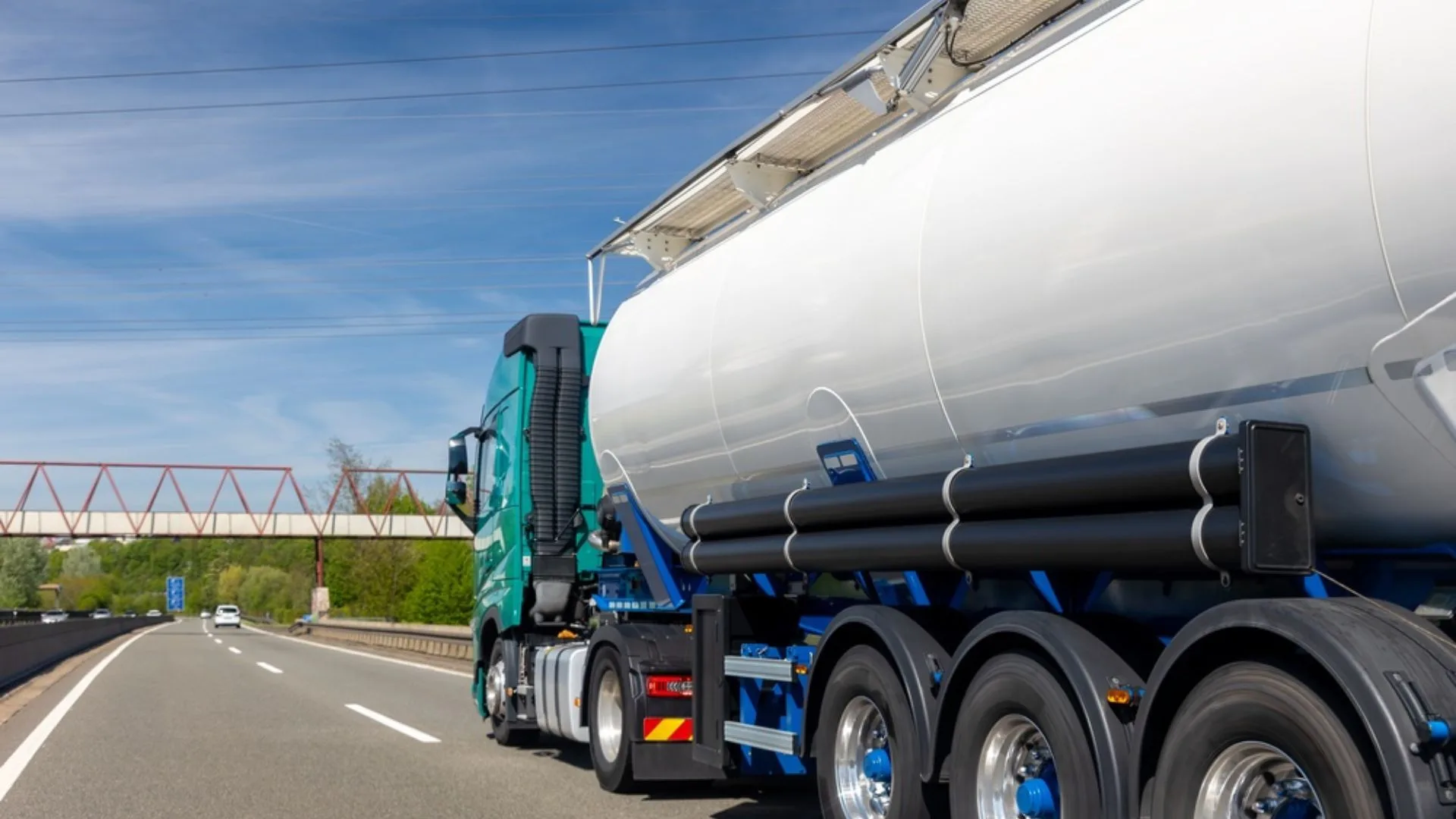
The Namibian government will end its exclusive fuel supply agreement with Vitol in October after granting a final one-month extension. The decision marks the conclusion of a temporary framework used to ensure gasoline and diesel supplies amid international energy price pressures.
According to the Ministry of Mines and Energy, the extension will be final, and the contract will not continue beyond October 2026. The original agreement covered July, August, and September, granting Vitol a central role in the country’s fuel supply.
Namibia limits Vitol contract extension
Initially, the government granted Vitol a three-month emergency contract to mitigate the impact that rising international prices could have on consumers.
However, the model drew criticism from opposition sectors and rival suppliers. One of the primary concerns has been the reliance on a single supply source to cover an essential portion of the country’s energy demand.
Furthermore, the extension through October raised new questions regarding the procurement mechanism used for the supply. Independent Patriots for Change (IPC) questioned the transparency of the process and requested information from the government on the economic terms of the extension.
The party also demanded that authorities define how supply will operate from November onwards and that any new mechanism allow for the participation of other suppliers.
Fuel agreement under pressure
Discussions regarding the contract gained further prominence following an issue involving aviation fuel in Walvis Bay.
In August, Vivo Energy, a Vitol subsidiary, withdrew a shipment of jet fuel from circulation after contamination was detected in the product. The incident caused availability issues and affected Lufthansa flights from Windhoek.
The situation exposed the vulnerability of Namibia’s supply chain to disruptions at specific import and distribution points.
Additionally, the country maintains a significant demand for liquid fuels. Namibia consumes approximately 100 million liters of gasoline and diesel per month; therefore, ensuring a stable supply is key for transport and other economic activities.
Namibia moves toward future oil production
The decision regarding Vitol comes as Namibia gains prominence in the international oil and gas sector due to exploration activity off its coast.
The country expects to achieve its first crude oil production by 2030. Until then, it will remain heavily dependent on imported fuels to serve its domestic market.
Consequently, the termination of the exclusive agreement with Vitol leaves a significant question for the coming months: what model will Namibia use to secure the gasoline and diesel supply from November without concentrating supply in a single provider.
Source: Reuters
Photo: Shutterstock