GEOSONIC was selected to execute a subsea inspection program in Turkmenistan covering more than 200 kilometers of offshore pipeline infrastructure. The scope includes inspections using remotely operated vehicles (ROVs), geophysical surveys, evaluation of cathodic protection (CP) systems, and subsea data acquisition to support asset integrity management.
The project represents the company’s second award in Turkmenistan and expands its participation in subsea inspection and engineering operations in the Caspian Sea region, where energy infrastructure plays a strategic role in hydrocarbon production and export.
Although details regarding the system operator or the execution schedule were not disclosed, the technical scope indicates a campaign focused on evaluating the structural and operational status of a critical offshore transport network.
Subsea inspection is essential for pipeline reliability
Subsea pipeline inspection programs allow for the detection of anomalies such as external corrosion, scouring, displacement, mechanical damage, or coating loss before they evolve into failures that compromise safety or operational continuity.
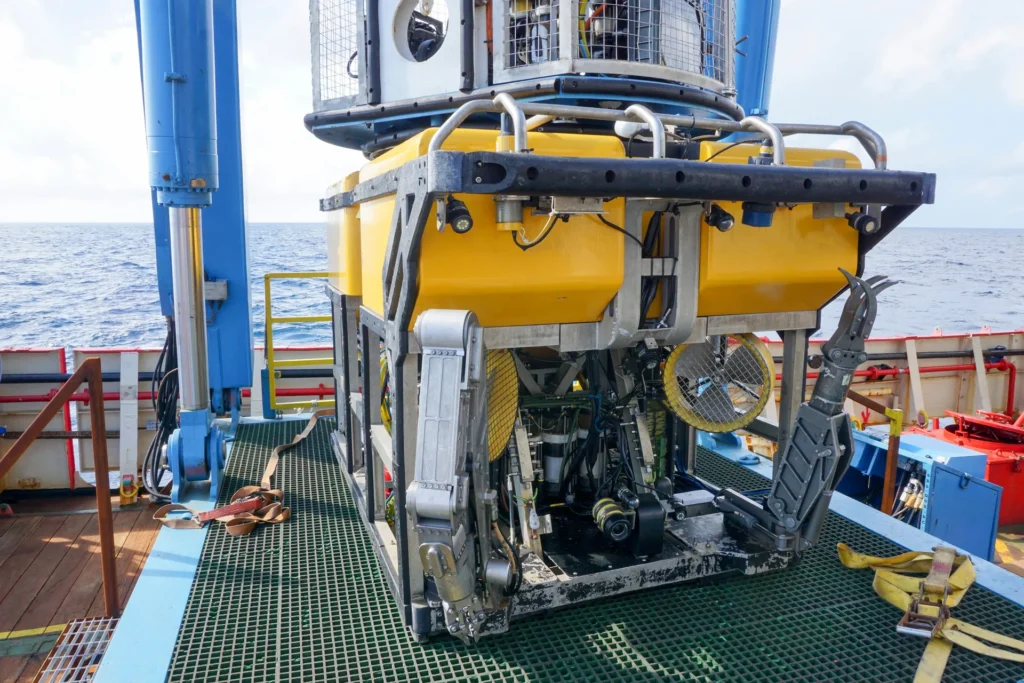
The use of ROVs facilitates the visual inspection of submerged sections and the capture of information in areas where diving operations would be complex or higher risk. These systems also allow for the integration of sensors and measurement equipment to perform evaluations with greater precision.
Furthermore, cathodic protection studies verify the effectiveness of systems designed to minimize electrochemical corrosion, one of the primary degradation mechanisms in metallic infrastructure installed in marine environments.
The Caspian Sea: strategic importance for the offshore sector
Turkmenistan possesses some of the largest natural gas reserves in Central Asia and continues to develop infrastructure to strengthen hydrocarbon production and transport in the Caspian Sea. The reliability of subsea facilities is essential to ensure operational continuity and reduce environmental and economic risks.
In this context, periodic inspection campaigns are part of Asset Integrity Management programs, widely used by offshore operators to prioritize maintenance, plan repairs, and extend the service life of infrastructure.
The incorporation of geophysical and structural monitoring data also provides information to evaluate seabed conditions and potential external factors that may affect pipeline stability.
Integrity management gains prominence in assets
The growth of subsea infrastructure and the aging of numerous offshore assets are driving increased demand for specialized subsea inspection, monitoring, and integrity analysis services.
The integration of ROV inspection, geophysical surveys, and cathodic protection evaluation provides a more comprehensive view of asset health, facilitating condition-based maintenance decisions rather than solely scheduled interventions.
This trend reflects the offshore sector’s evolution toward strategies that combine digitalization, advanced inspection, and risk management to improve the availability and reliability of critical infrastructure.
Source: https://www.linkedin.com/
Photo: Shutterstock