Table of Contents
- The energy market enters an unprecedented critical phase
- A structural shock that redefines the energy balance
- The magnitude of the impact exceeds the system’s response capacity
- Europe and Asia intensify competition for oil supply
- Immediate reaction across the entire energy value chain
- A new paradigm: energy depends on flow, not just capacity
The energy market enters an unprecedented critical phase
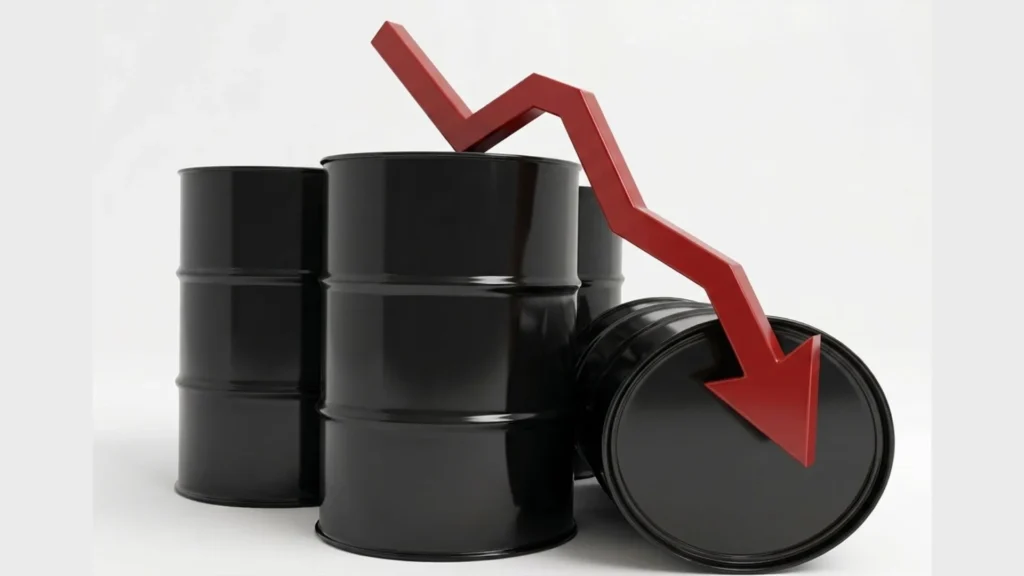
The International Energy Agency has confirmed one of the largest disruptions in the history of the global energy market: an estimated drop of up to 10.1 million barrels per day (MMbpd) in global oil supply.
The impact is not limited to production. More than 13 MMbpd in energy exports are at risk, shaping the largest supply shock recorded in modern history.
A structural shock that redefines the energy balance
Unlike previous crises, the current scenario is not driven by market cycles or simple price fluctuations.
This is a structural disruption driven by a simultaneous combination of factors:
- Geopolitical tensions in key regions
- Vulnerability in strategic transport routes
- Operational constraints on production
- Accelerating imbalance between supply and demand
The result is a global energy system entering a phase of physical supply constraint.
The magnitude of the impact exceeds the system’s response capacity
The loss of approximately 10 MMbpd represents nearly 10% of global supply, a level the system cannot absorb without generating immediate consequences.
Among the most visible effects are:
- Increased volatility in international prices
- Higher logistics and transportation costs
- Reduced availability of crude and refined products
- Pressure on strategic inventories
This level of disruption marks a turning point in the dynamics of the energy market.
Europe and Asia intensify competition for oil supply
The impact is unevenly distributed, but global in scope.
Europe faces growing pressure on refined fuels such as diesel and jet fuel, while India and other Asian markets intensify competition for available cargoes.
This scenario accelerates the reconfiguration of trade flows and heightens tension in international markets.
Immediate reaction across the entire energy value chain
The energy sector is responding rapidly to this new environment:
Upstream:
Pressure increases to boost production in markets with spare capacity, especially the United States.
Midstream:
Logistics costs rise and trade routes are adjusted to secure supply.
Downstream:
Refineries are operating with strong margins, but with greater operational complexity due to the shortage of suitable crude.
Investment:
CAPEX is being reactivated in exploration, production, and LNG projects.
A new paradigm: energy depends on flow, not just capacity
This event marks a breaking point in the global energy system.
Stability no longer depends solely on installed capacity, but on the ability to maintain steady flows in an environment of high geopolitical pressure.
The combination of supply loss, logistical vulnerability, and limited inventories creates a scenario in which any new disruption can have immediate effects on a global scale.