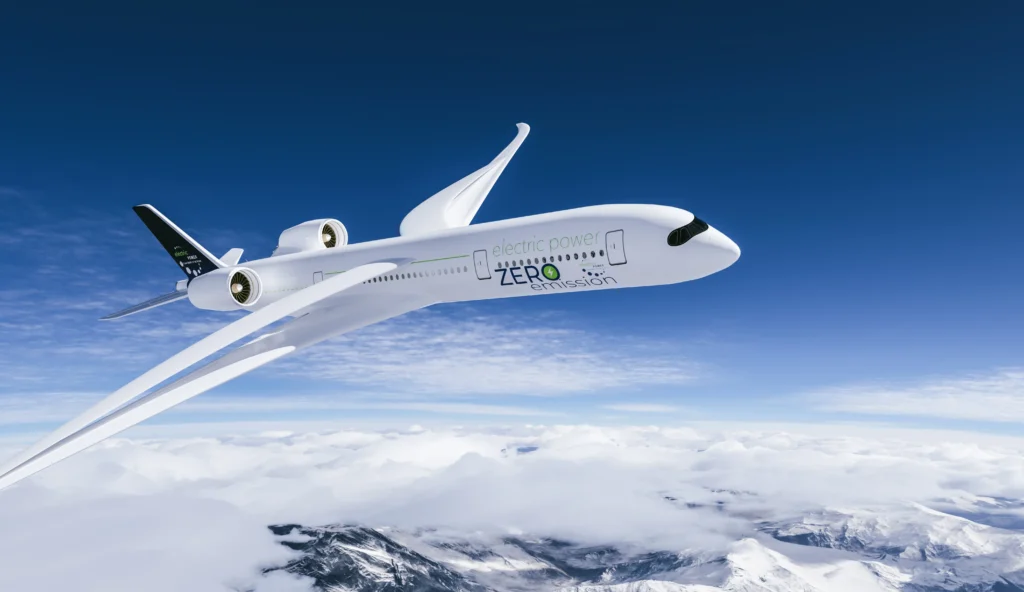
Electric aviation it is progressing towards actual commercial operations, although it is still far from replacing jet fuel on long-haul flights. The main limitation remains the energy density of the batteries, a factor that keeps aviation kerosene as the dominant fuel source for large commercial aircraft.
However, the scenario changes on short routes, in these segments, electric aircraft can offer lower operating costs, less noise, and greater energy efficiency compared to traditional combustion systems.
Electric aircraft move from prototypes to certification
Over the past few years, the aeronautics industry has accelerated the development of electric aircraft certified. The Pipistrel Velis Electro achieved European certification in 2020, demonstrating that a fully electric aircraft could overcome commercial regulatory processes.
Likewise, manufacturers such as Safran they are working on electric motors intended for regional aircraft, while companies like Heart Aerospace they develop aircraft designed to connect small cities through short-haul operations.
On the other hand, Archer Aviation it promotes the eVTOL segment with aircraft like Midnight, geared towards urban air mobility services and regional routes.
Aviation fuel will continue to be crucial on long flights
Although the electrification of air transport is progressing, current batteries still have a disadvantage compared to liquid fuels in terms of energy stored per kilogram.
For this reason, electric aircraft will have difficulty competing on intercontinental routes where large amounts of energy and greater range are needed.
The industry anticipates a gradual transition in which different technologies will coexist for decades sustainable aviation fuels hybrid systems and electric propulsion will occupy different spaces depending on operational needs.
Regional routes are the primary market for electrification
The greatest potential of electric aviation appears in segments where aircraft make short journeys and frequently return to the same charging infrastructure.
These markets include pilot training, regional transport, inter-island flights, light cargo, and electric air taxis. In these applications, the reduction of mechanical maintenance, the efficiency of electric motors, and the possibility of using local energy can generate economic advantages over conventional fuel.
The energy industry is experiencing a gradual change
Aviation represents one of the most stable markets for oil due to the widespread use of jet fuel. However, the electrification of specific segments could alter future demand.
The change will not depend on replacing the entire global fleet immediately, but on the progressive incorporation of new aircraft on those routes where electric technology is competitive.
The evolution will be similar to other sectors of transport, where the electric vehicles they started in specific applications before expanding their market presence.
The future of aviation will combine several technologies
Electric aviation will not eliminate aviation kerosene in the short term, the energy capacity of batteries will continue to condition its use for the next few years.
Even so, the progress of manufacturers, regulatory bodies, and technology companies indicates that electric aircraft will first occupy the segments where their advantages are clearest.
The future of air transport will depend on a combination of solutions in which electric propulsion, sustainable fuels and conventional engines will have different roles depending on the type of flight.
Source: Oilprice
Photo: Shutterstock