Additive manufacturing is transforming small-scale hydroelectric power in the United States. A project led by the company Cadens, together with Oak Ridge National Laboratory (ORNL), demonstrated that 3D printing can reduce production costs of micro-hydroelectric systems adapted to each site by up to 40%.
Currently, less than 3% of the approximately 90,000 dams in the United States produce electricity. However, some 51,000 facilities have the potential for micro-hydropower generation, capable of producing up to 100 kilowatts per unit. The main obstacle has been the high cost of manufacturing custom components for specific hydraulic conditions.
Additive manufacturing to harness 29 GW of untapped energy
Researchers estimate that the United States has approximately 29 gigawatts of untapped hydroelectric potential. In response, Cadens sought to accelerate the deployment of low-head hydroelectric systems through faster and more cost-effective manufacturing solutions.
The company already had software called Turbine Builder to design turbines tailored to each site. Even so, manufacturing robust and cost-effective parts remained a significant technical challenge.
Therefore, the team collaborated with ORNL’s Manufacturing Demonstration Facility to integrate large-format additive manufacturing into the development of critical components.
3D printed Kaplan-S turbines for complex environments
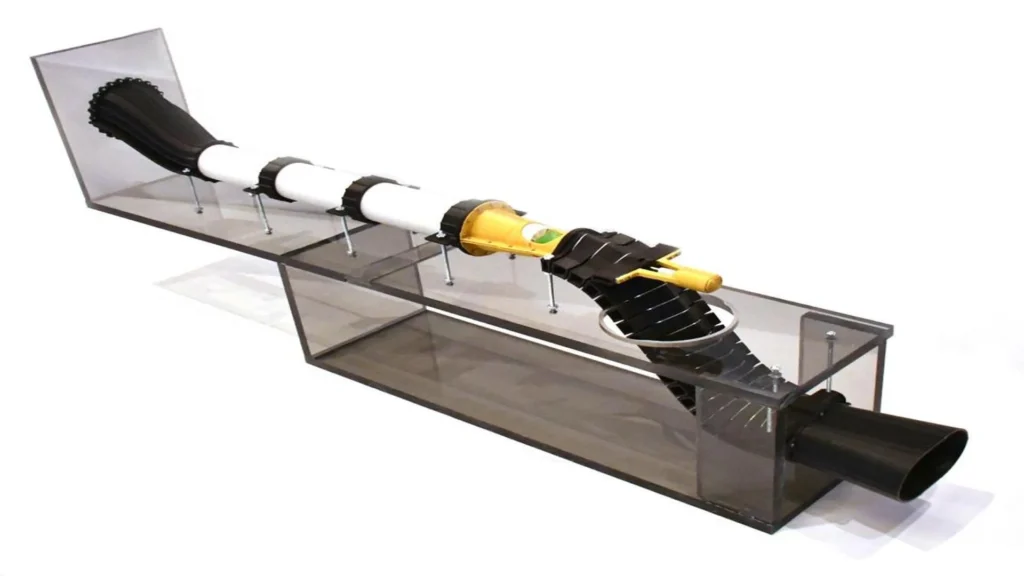
One of the most outstanding advances was the construction of a fixed Kaplan-S turbine using 3D printed components and hybrid structures made with composite materials.
The system used large PVC pipes as main conduits along with specialized polymer parts produced using 3D printing. Among these, I would highlight the suction tube made of ABS reinforced with 20% carbon fiber.
Similarly, the rotor housing required a different approach; instead of directly printing the final part, the researchers printed a high-precision mold that was subsequently used to fabricate a fiberglass structure by casting.
The process included CNC machining and protective coatings to ensure resistance to continuous hydraulic pressure and prolonged wear.
More than six years of continuous operation
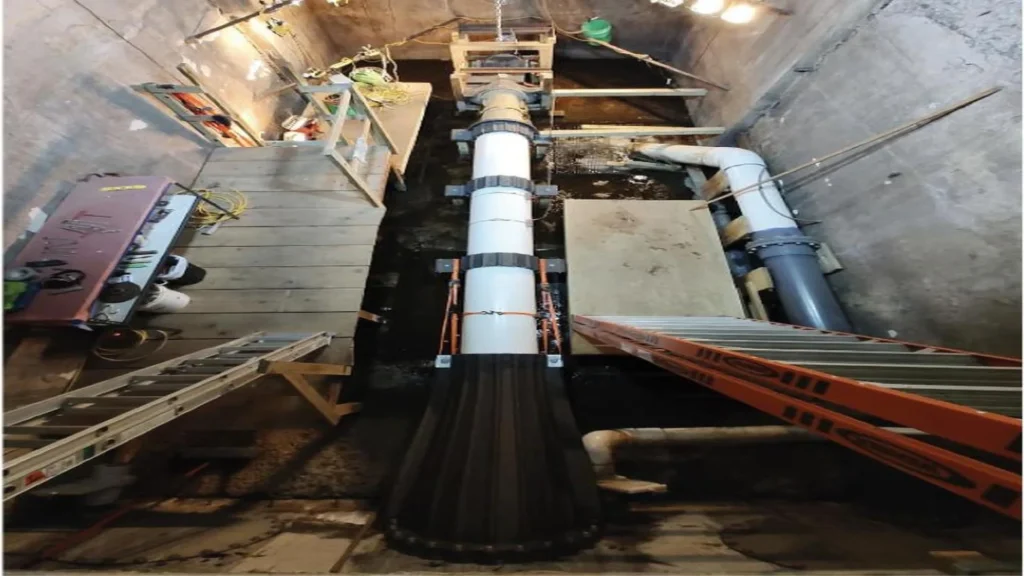
The prototype installed at Cadens’ facilities has operated continuously for more than six years. This period allowed for the collection of crucial information on hydraulic performance, structural behavior, and energy efficiency.
In addition, the test bench became a platform for evaluating materials, validating simulation models, and developing new solutions related to energy storage and biofouling resistance.
The researchers argue that this approach can facilitate hydroelectric projects in regions where traditional infrastructure is too expensive or difficult to adapt.
More accessible and flexible hydroelectric power
The combination of digital design and additive manufacturing opens new opportunities for distributed renewable energy generation. The ability to quickly produce customized components could accelerate the utilization of thousands of currently inactive small hydroelectric sites.
Cadens continues to work on expanding production and perfecting designs capable of operating in complex terrains and environments with high accumulation of waste.
With these advances, 3D printing is beginning to establish itself as a relevant tool for modernizing hydroelectric infrastructure and reducing the economic barriers to renewable microgeneration.
Source and photo: Ornl.gov