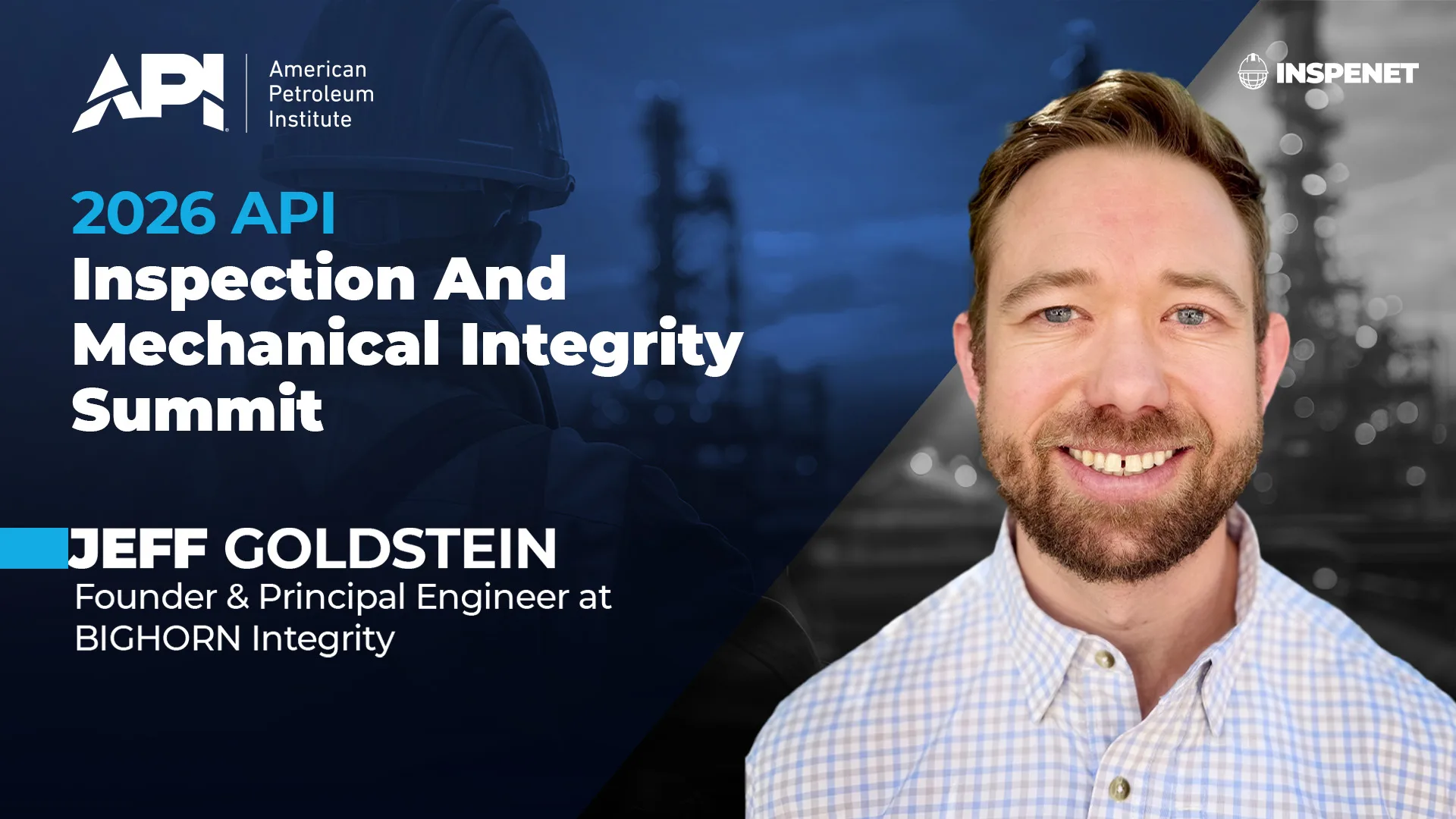
Mechanical integrity: data that strengthens engineering decisions
Digital transformation is changing how the industry manages the mechanical integrity of its assets. However, simply having large volumes of information is no longer an advantage in itself. The real challenge lies in converting that data into engineering decisions that optimize inspections, improve equipment reliability, and use resources more efficiently.
During an interview at API Summit 2026 , Jeff Goldstein, Founder and Principal Engineer of Bighorn Integrity , shared his vision on the evolution of mechanical integrity programs and the role of digital tools, specialized engineering, and artificial intelligence in industrial asset management . His approach stems from a simple idea: technology adds value when it helps engineers make better decisions and when all disciplines work in a coordinated manner.
The challenge is no longer collecting data, but making use of it.
The energy industry has been investing for years in technologies capable of collecting information about the condition of assets . Sensors, inspections, monitoring systems, and management programs generate a growing amount of data that, in theory, should facilitate maintenance and reduce operational risk.
However, Goldstein points out that many organizations still struggle to truly benefit from this information. He explains that collecting data is only the first step. What's truly important is having the right workflows and digital tools to analyze it effectively and turn it into actionable decisions.
From their perspective, companies should ask themselves whether the data they are obtaining truly adds value to their mechanical integrity programs. Investing resources in collecting information that subsequently doesn't influence decision-making represents a cost that is unlikely to generate benefits for the organization.
Likewise, the specialist believes that one of the main differences between companies with mature programs and those still seeking to optimize their processes lies precisely in the quality of the information they collect. Obtaining the right data is far more important than continually increasing the volume of available information.
Engineering remains central to mechanical integrity
For Goldstein, the ultimate goal of any mechanical integrity program is to keep assets operating safely and reliably throughout their lifespan. Achieving that goal requires much more than software or databases.
The information must be interpreted using technical criteria capable of evaluating the actual condition of the equipment, identifying damage mechanisms, and establishing priorities for inspection and maintenance activities.
In this sense, he explains that engineering remains the element that transforms data into knowledge. Digital platforms can accelerate analysis and facilitate access to information, but it is still the specialists who must evaluate each situation considering the operational context of the facility.
This approach also allows for better targeting of investments; when decisions are supported by relevant data and engineering analysis, organizations can concentrate their resources where they truly impact asset reliability and avoid actions that add little value.
How to optimize a mechanical integrity program?
One of the most interesting aspects of the interview refers to inspection programs that have evolved over the years to accumulate thousands of monitoring points without necessarily having an equivalent improvement in risk reduction.
Given this situation, Goldstein recommends starting with a health check of the integrity management system. This initial assessment allows you to identify the program's weaknesses, pinpoint opportunities for improvement, and establish priorities before investing in new technologies or expanding inspection campaigns.
The engineer believes that many companies allocate significant financial resources to initiatives that subsequently fail to generate measurable improvements because they did not first identify where their true needs lay.
Once these areas for improvement have been identified, the next step is to rely on experienced professionals capable of implementing technically and economically viable solutions. In this way, mechanical integrity programs can evolve gradually, maintaining a focus on those actions that truly increase value for the organization.
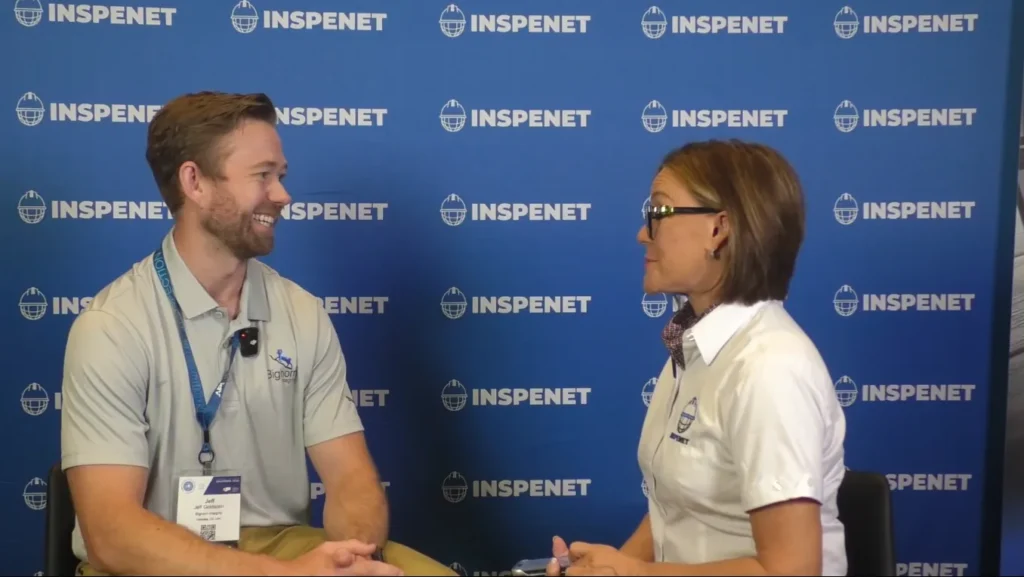
The integration of disciplines multiplies the value of the program
Another of Goldstein's central messages is the need to integrate all disciplines related to asset management into a single workflow.
Many organizations currently use separate tools to develop processes such as Risk-Based Inspection (RBI), Fitness for Service (FFS), corrosion engineering, or inspection planning. While each provides valuable information, working in isolation limits the potential of the results obtained.
As he explains, the data generated by one process should automatically feed into the next. When this continuity exists, each stage leverages the knowledge generated previously, and the final decisions achieve a higher level of accuracy.
As an example, he mentions the relationship between damage mechanism analysis and inspection planning. If these two systems do not share information, inspection plans may look for deterioration mechanisms that are not actually present in the equipment or, conversely, fail to consider those that pose a significant risk.
The consequence is less efficient use of resources and a reduced ability to prevent failures. Conversely, when all information remains connected, organizations can design more precise inspection programs, optimize costs, and strengthen the reliability of their facilities.
Artificial intelligence should enhance the engineer's judgment.
The integration of artificial intelligence and machine learning is one of the most exciting topics currently generating interest within the industrial sector. However, Goldstein advocates for a balanced approach regarding the role these technologies should play in mechanical integrity.
In his opinion, digital tools should be used to increase the analytical capacity of engineers and reduce the time spent on repetitive tasks, but never to eliminate human judgment from critical decisions.
Artificial intelligence can process vast amounts of information in just a few minutes, generate preliminary calculations, and identify patterns that would be difficult to detect manually. This support allows specialists to dedicate more time to technical analysis and less to routine tasks.
However, the knowledge acquired by engineers in the field remains an indispensable component. Their accumulated experience, hands-on experience with operations, and understanding of equipment behavior provide a context that is still difficult to replicate using algorithms.
Therefore, Goldstein advocates maintaining a human-in-the-loop model, where digital tools prepare the information and facilitate the specialist's work, while the final decision remains the responsibility of experienced professionals.
Technology and engineering for better integrity
The evolution of mechanical integrity doesn't depend solely on incorporating new digital platforms or applying artificial intelligence to industrial processes. That's the philosophy that guides Bighorn Integrity 's work, as Jeff Goldstein explained during the 2026 API Summit. For the company, true progress occurs when the right information, engineering expertise, and technological tools work in an integrated way to support more accurate decisions.
This approach allows for the review of existing programs, the optimization of inspections, the integration of technical disciplines, and better utilization of every piece of data collected during asset operation. As digitalization continues to advance within the energy and industrial sectors, maintaining this balance between technological innovation and professional judgment will be one of the factors determining the success of mechanical integrity programs.
For more content about API Summit 2026, visit our LinkedIn profile.
Source: Inspenet.