Offshore monopiles advance with silent method
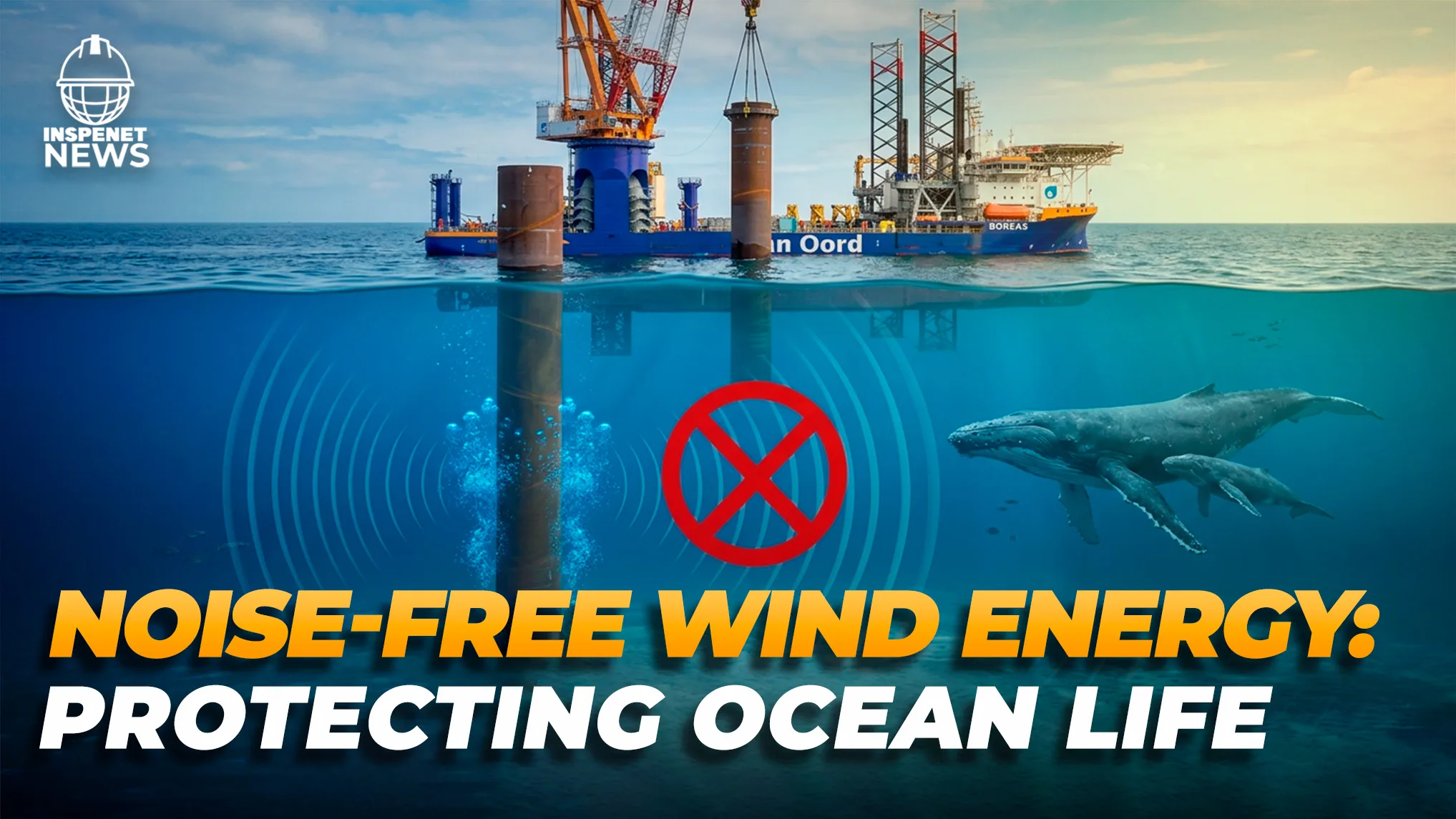
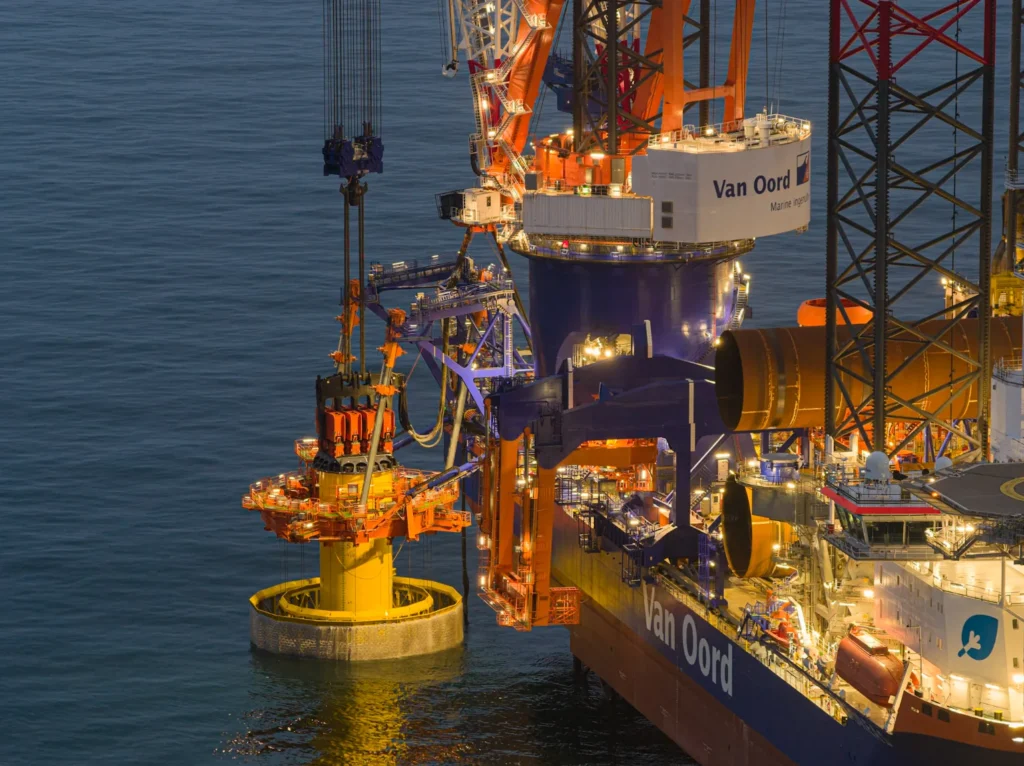
In a significant advancement for offshore wind energy, Van Oord completed the installation of three monopiles using a silent method at the Hollandse Kust West wind farm. This intervention marks the first time this technique has been applied on a commercial scale within the sector.
Additionally, the operation was carried out using the vessel Boreas, designed for offshore installation work. The project is part of a larger development that includes the installation of 52 foundations in total.
VibroJet technology and controlled vibration
Furthermore, the installation was supported by GBM Works' VibroJet technology, combined with CAPE Holland's vertical vibration tools. This system reduces soil resistance through controlled water injection and vibrations.
The process also allows monopiles to penetrate the seabed with less mechanical effort. This technique is particularly effective in areas with dense sand layers, such as the North Sea.
Reduced impact on the marine environment
In this context, one of the main objectives of the method is to reduce underwater noise generated during installation. This factor is crucial for protecting marine species sensitive to acoustic vibrations.
In fact, data collected during the operation will be used to validate predictive models on underwater sound behavior. This opens the door to wider adoption of solutions with lower environmental impact.
Collaboration among offshore sector stakeholders
At the same time, the project reflects coordination among multiple companies in the sector. Van Oord leads the execution, while GBM Works provides the VibroJet technology and CAPE Holland contributes with vibration systems.
Meanwhile, Ecowende, a joint venture of Shell, Eneco, and Chubu, is driving the development of the wind farm with a focus on sustainability and biodiversity.
Hollandse kust west and its energy contribution
As for the wind farm, it is located approximately 53 kilometers off the coast of the Netherlands and will have a capacity of nearly 760 MW. This production will cover about 3% of the national electricity demand.
Furthermore, the wind farm is expected to be fully operational by the end of 2026, consolidating its role in the expansion of offshore wind in Europe.
Boost for new practices in offshore monopiles
Finally, this advancement reinforces the development of monopile installation methods that are more compatible with the natural environment, driven by initiatives from companies like Van Oord. The combination of technical efficiency and impact reduction positions these solutions as a benchmark within the sector.
Consequently, the offshore wind energy industry continues to move towards more sustainable execution models adapted to current environmental challenges.
Additional news of interest
Green light for gas terminal in Australia
The proposed liquefied natural gas terminal by Viva Energy in Geelong has received federal environmental approval in Australia, allowing the project to proceed under certain conditions. The decision follows previous assessments that concluded the infrastructure can operate with controlled environmental impacts, including in sensitive areas like Corio Bay.
The project aims to be installed at the Geelong refinery pier and seeks to address the decline in gas reserves in Victoria state. According to the company, the terminal will help ensure a stable supply for the country's southeast, amidst increasing pressure on energy availability.
Digital hub improves offshore projects
Aker Solutions inaugurated its new Visioneering Center in Stavanger, a space designed to enhance offshore operations planning through digital tools. The center allows teams and clients to visualize and simulate complex projects in a virtual environment, facilitating testing and adjustments before actual execution.
Thanks to the use of immersive technologies, teams can analyze scenarios, coordinate different areas, and reduce the need for personnel in the field. This helps optimize timelines, decrease costs, and improve safety in offshore operations, where errors can have a high impact.
STATS expands business with P2D acquisition
STATS Group announced the acquisition of Pipelines 2 Data (P2D), a company specializing in pipeline cleaning and intelligence based in Aberdeen. The operation seeks to strengthen the global offering of pipeline integrity and maintenance services, combining technical capabilities that both companies have developed over years of collaboration on various projects.
P2D provides advanced inspection and data analysis tools that allow for assessing the condition of pipelines before and during interventions. With this integration, STATS aims to offer a more comprehensive service ranging from diagnosis to repair, supported by its international presence and the backing of Mitsui.
Oman refining production up in early 2026
Refinery production in Oman grew by 11.1% in the first months of 2026, driven by higher volumes in fuels such as diesel, aviation fuel, and naphtha. This increase reflects greater activity in the sector, with increments in both sales and exports across several key categories.
Diesel led the growth with a significant rise in production and exports, while aviation fuel also advanced strongly, supported by the recovery of air traffic. Other products such as liquefied gas and naphtha showed positive figures, although some segments experienced declines in sales or production, indicating mixed performance in certain areas.