Anticorrosion coatings in Brazil’s industry
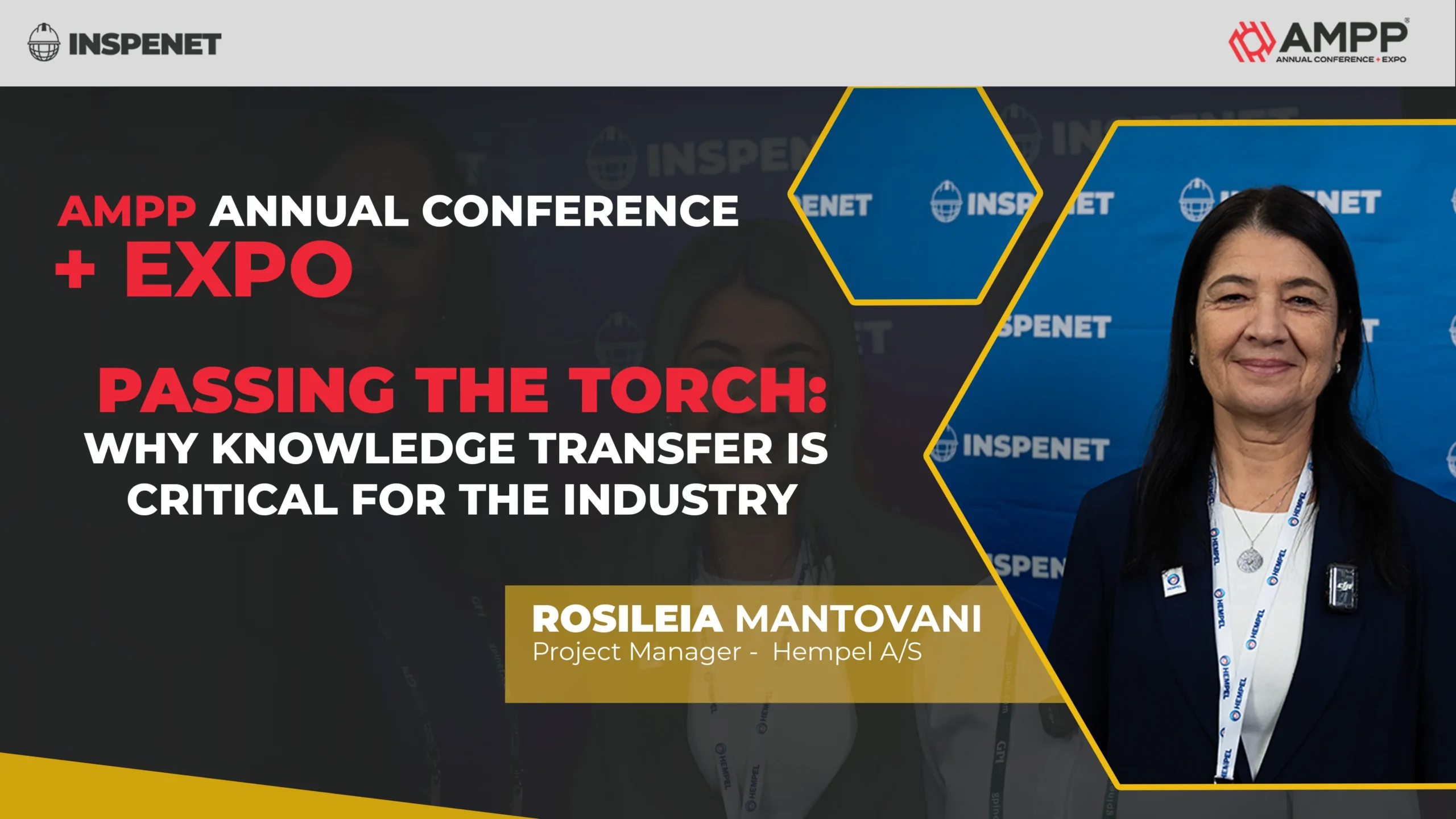
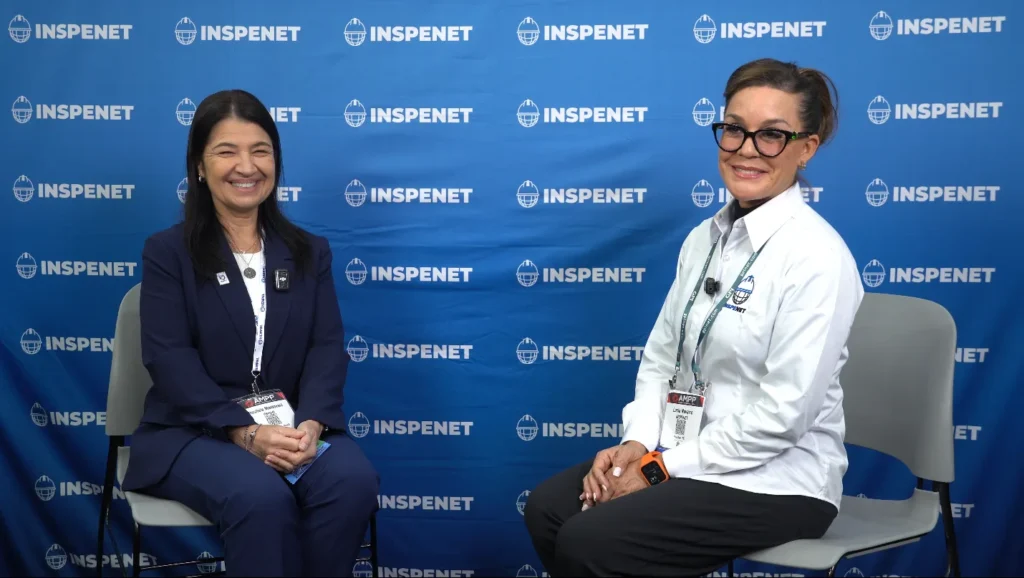
During the AMPP Annual Conference + Expo 2026, Rosileia Mantovani, Project Manager at Hempel A/S, focused on the strategic role of anticorrosion coatings in Brazilian industrial growth. With nearly four decades of experience in the paint industry, the chemical engineer highlighted how the country is positioned as a market full of opportunities, especially in the oil & gas sector.
In this context, Brazil is advancing, supported by the expansion of major operators like Petrobras, which opens new possibilities for technical solutions aimed at asset protection. Thus, the development of anticorrosion technologies becomes a central element to ensure the durability and efficiency of critical infrastructure.
A market with ppportunities in oil & gas
On the one hand, the growth of the energy sector in Brazil is generating sustained demand for anticorrosion coatings. Operating conditions in offshore environments and industrial plants require advanced protection systems that reduce the impact of corrosion and optimize maintenance costs.
In this scenario, global companies find fertile ground to expand their activities. The combination of natural resources, industrial investment, and the need for modernization positions the country as one of the most relevant markets in Latin America for industrial protection solutions.
Hempel and Its commitment to asset protection
In line with this evolution, Hempel A/S reinforces its presence in the Brazilian market with an approach focused on quality and innovation. Founded in Denmark in 1915, the company develops coatings that protect critical infrastructure in sectors such as energy, marine, and industry, contributing to improved performance and extended asset lifespan.
Furthermore, its solutions help minimize maintenance costs and increase operational efficiency, which are important factors in environments where corrosion represents a constant challenge. The company also works with global and local clients to adapt its technologies to the specific needs of the Brazilian market.
Lack of talent, the sector's major challenge
However, beyond market growth, Mantovani highlighted a structural challenge that conditions the industry's future: the shortage of qualified professionals in corrosion and materials. As the demand for anticorrosion coatings increases, so does the need for experts capable of designing, applying, and supervising these systems.
In this regard, knowledge transfer between generations becomes essential. More experienced professionals have the responsibility to train new talent, sharing decades of accumulated learning in the field and laboratory. This process is key to maintaining the sector's competitiveness.
AMPP Brazil and the connection with young talent
Given this challenge, the role of technical associations becomes particularly relevant. Mantovani, also involved with the AMPP chapter in Brazil, emphasized the importance of promoting educational programs that bring the industry closer to universities.
In particular, initiatives aimed at students seek to spark interest in careers related to corrosion and materials. These programs act as a bridge between academia and industry, facilitating access to professional opportunities in a high-demand sector.
Likewise, strengthening local chapters and organizing technical events help build community, share knowledge, and foster the continuous development of professionals.
Training and language: barriers to overcome
On the other hand, one of the identified obstacles is the language barrier; access to technical content and specialized training is often linked to English, which limits the participation of many students and professionals in Brazil.
Facing this situation, there is a need to generate materials in Portuguese and promote language learning as a tool to broaden professional horizons. Continuous training, both technical and linguistic, is positioned as a differentiating factor in the careers of new talents.
Diversity and new generations in the industry
In parallel, the anticorrosion coatings industry is undergoing a transformation in terms of diversity. The growing participation of women in a traditionally male-dominated sector reflects a change in the dynamics of the labor market.
This progress contributes to enriching the professional environment and attracting new perspectives, which is fundamental at a time when innovation and adaptation are crucial. The incorporation of young professionals, both men and women, is presented as a pillar for the future development of the sector.
A future linked to knowledge and innovation
Finally, the growth of the anticorrosion coatings market in Brazil will depend on the sector's ability to integrate technology, talent, and training. The expansion of the energy industry offers a favorable scenario but also demands a coordinated response in terms of training and professional development.
In this context, the vision of experts like Rosileia Mantovani, Project Manager at Hempel A/S, highlights the importance of investing in knowledge and new generations. From the experience of a global company like Hempel, the future of the sector will not only be marked by industrial demand but also by the ability to train the professionals who will make it possible.
For more content about AMPP 2026, please visit our LinkedIn profile.
Source: Inspenet.